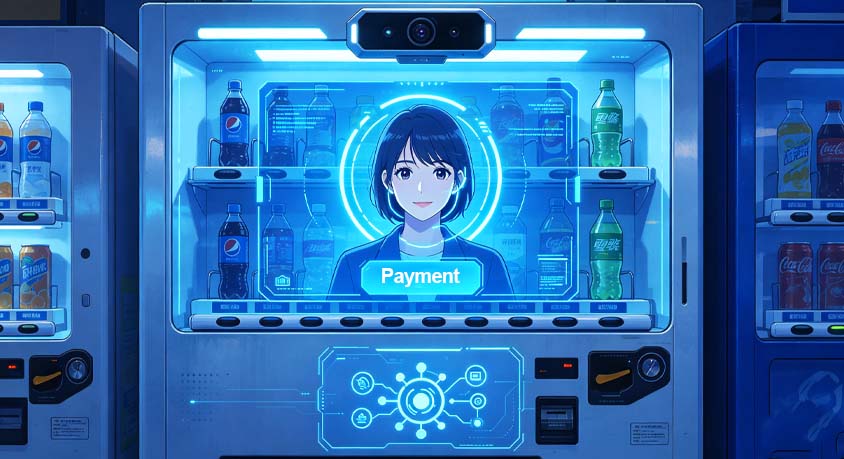
The next time you approach a high-tech vending machine in an airport or a mall, look closely at the small, pinhole lens embedded just above the selection screen. That machine isn't just waiting for your credit card; it is running an "Inference Engine" to estimate your age, gender, and even your current emotional state before you've even touched the buttons. We have been sold the myth of "Personalized Retail Experience," but the reality is a massive, decentralized data-harvesting operation where your physical identity is the real currency. Your craving for a mid-afternoon snack has become a trigger for a biometric scan that feeds directly into a retail analytics cloud you never authorized.
E.g. :Your Smart Streetlight is Identifying Your Phone as You Walk By
- 1、The Exploitation of Computer Vision in Modern Smart Retail
- 2、Engineering the "Impulse Buy" via Algorithmic Mood Tracking
- 3、The Cybersecurity Risks of Unattended Retail IoT Nodes
- 4、Reclaiming Your Consumer Sovereignty from the Algorithm
- 5、The High Cost of Automated Convenience
The Exploitation of Computer Vision in Modern Smart Retail
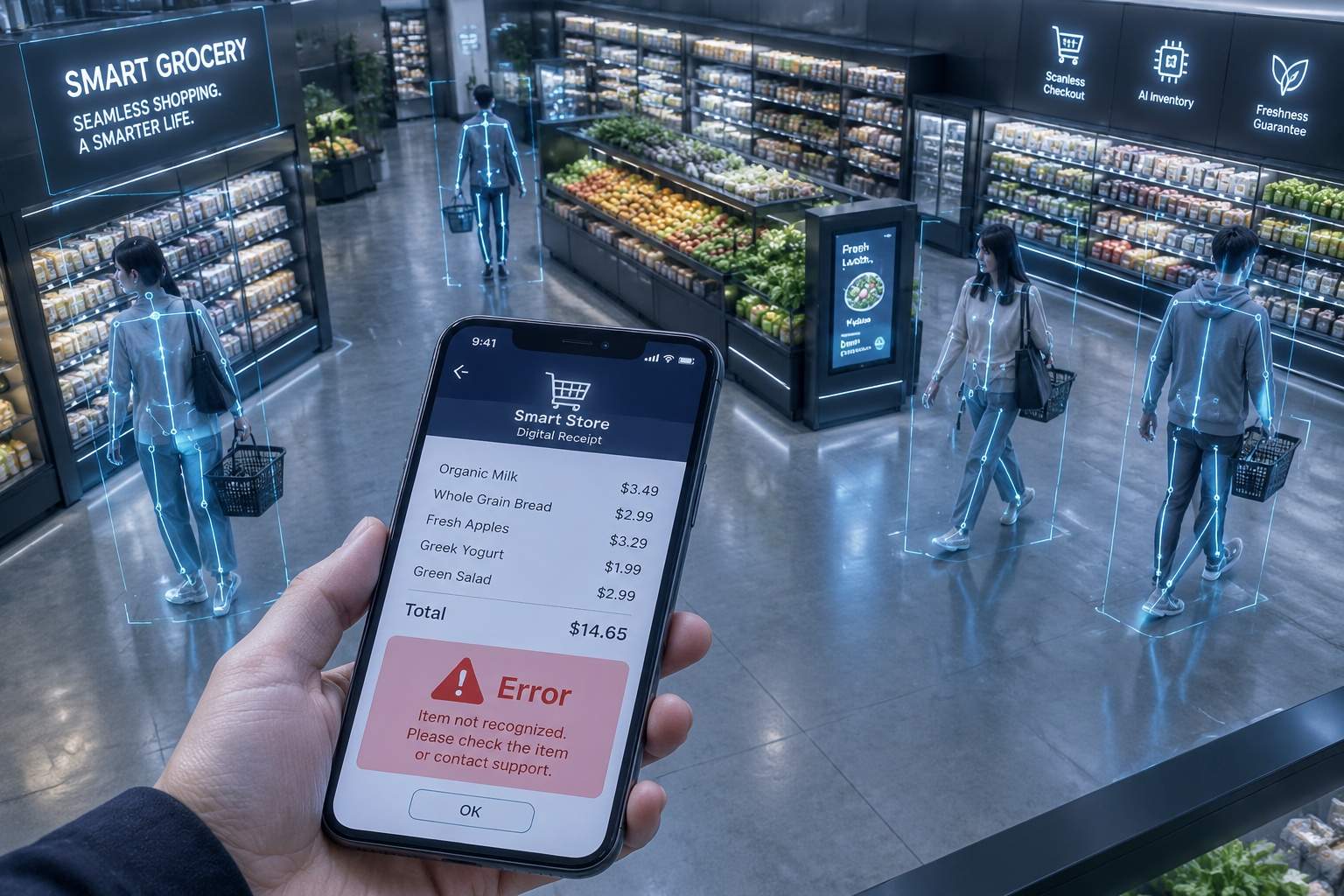
The technical backbone of the smart vending revolution is the integration of "Vision AI" modules that operate on the edge. These devices use OpenCV-based algorithms to perform "Anonymous Video Analytics" (AVA), which manufacturers claim doesn't store your identity but merely categorizes your "demographic profile." However, as a digital pragmatist knows, the line between a "demographic profile" and a "biometric signature" is a software update away from disappearing. By correlating your face with the specific items you purchase, retailers are building a deep psychological map of consumer behavior that is used to manipulate pricing and product placement in real-time.
The Myth of Local Anonymization
Retailers often promise that images are "processed locally and deleted," but the metadata—the digital essence of who you are and what you buy—is always uploaded. This data is then cross-referenced with your smartphone's MAC address or your credit card ID, effectively stripping away the "anonymity" of your transaction.
Engineering the "Impulse Buy" via Algorithmic Mood Tracking
The most insidious application of IoT in retail is "Sentiment Analysis," where the vending machine’s camera monitors your facial micro-expressions to gauge your reaction to different price points or advertisements. If the machine detects "hesitation" or "frustration," it can dynamically adjust the screen’s content to offer a "limited-time discount" to seal the deal. This is not service; it is a form of digital predatory pricing that exploits human psychology. We are interacting with machines that are programmed to find our cognitive weaknesses and use them to maximize the "Capture Rate" of every passerby.
The Biometric Shadow in Public Spaces
Because these machines are often located in public thoroughfares, you are being scanned regardless of whether you intend to buy anything. This creates a "Biometric Shadow" where your presence in a commercial zone is logged by dozens of independent IoT nodes, contributing to a master profile of your physical movements.
The Cybersecurity Risks of Unattended Retail IoT Nodes
From a protocol perspective, smart vending machines are notoriously insecure "islands" in the retail network. Many run on legacy Android or Windows Embedded versions with unpatched vulnerabilities in their Wi-Fi and Bluetooth stacks. A compromised vending machine can be turned into a "Skimmer 2.0," using its internal camera and network connection to exfiltrate credit card data or even perform man-in-the-middle attacks on the smartphones of nearby customers. We are connecting high-resolution cameras and payment processors to the public internet in devices that sit unattended in hallways for months, creating a playground for sophisticated cyber-extortion.
Reclaiming Your Consumer Sovereignty from the Algorithm
To survive the rise of biometric retail, the digital pragmatist must adopt a "No-Signal" strategy. The most effective way to opt out of a vending machine’s scan is to deny it the data it craves: wear a hat, use physical privacy filters, or simply use cash where available to break the link between your face and your financial identity. Beyond personal defense, we must demand "Hardware Disclosure" laws that require any machine with a camera to display a clear, physical warning—not a hidden link in a digital menu. If a machine is watching you, you have a right to know the destination of that data before you engage.
The Strategy of Digital Obfuscation
Using "privacy-focused" payment methods, such as one-time virtual cards or hardware-encrypted wallets, ensures that even if the machine captures your face, it cannot link that biometric data back to your primary bank account. Breaking the chain of data is the only way to remain an autonomous consumer in a world of algorithmic surveillance.
The High Cost of Automated Convenience
The convenience of a "touchless" purchase is the bait in a very large trap. As IoT continues to colonize our retail environments, we must recognize that every automated interaction is a data-mining event. The "Smart" in smart retail refers to the intelligence of the system, not the benefit to the customer; the machine is always working for the house, not for you.
The next time a machine offers you a "personalized" suggestion, ask yourself what you had to give up for it to know you so well.