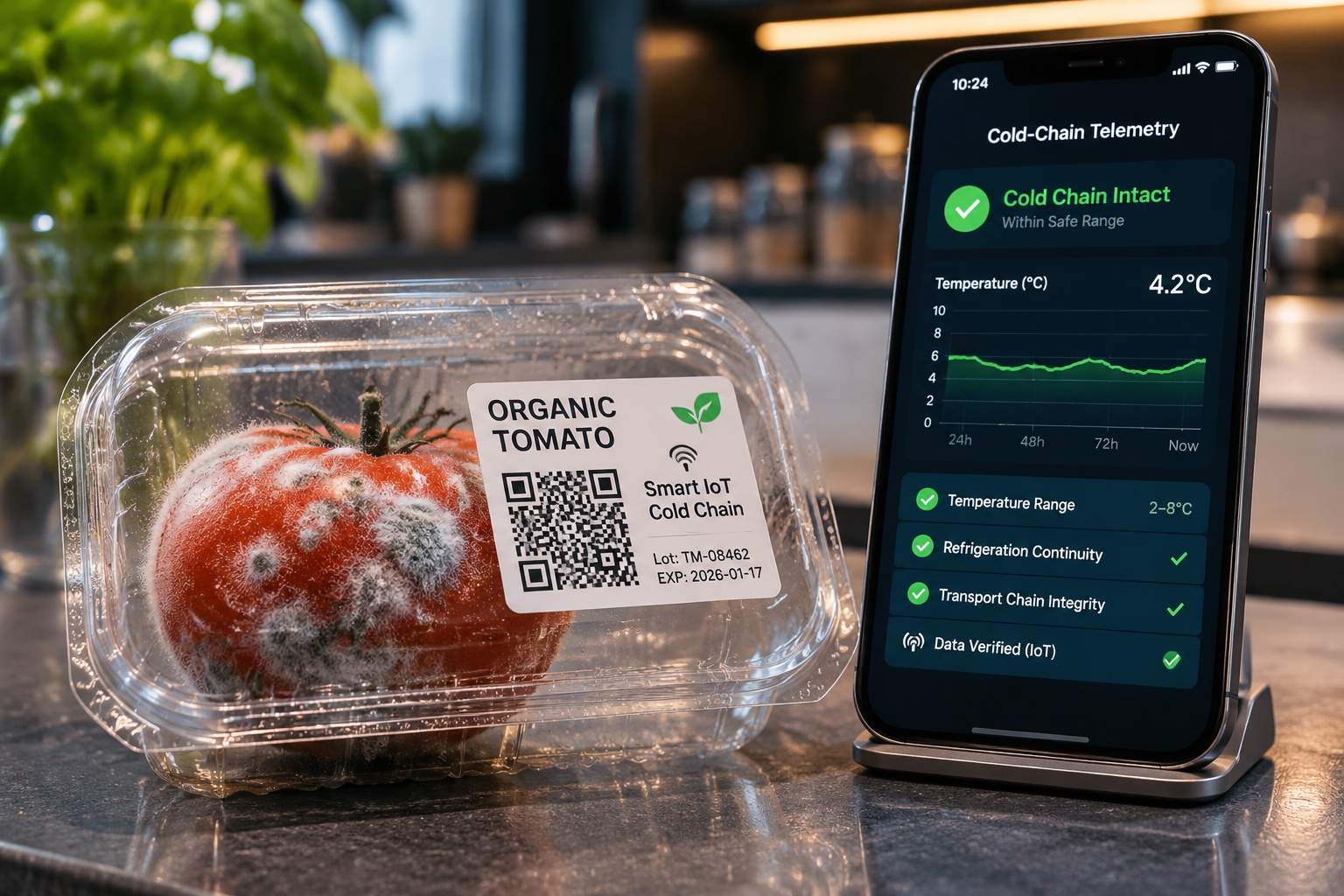
You pay eight dollars for a plastic clamshell of smart greenhouse strawberries. Every berry looks like a factory-molded red jewel. You bite into one expecting sweetness, but get the texture of a crisp radish and the flavor of tap water.
E.g. :Your Gigabit Wi-Fi Feels Slow: The Hidden Home Network Speed Trap
- 1、Precision Farming Prioritizes Fruit Weight Over Brix Values
- 2、Environmental Control Sensors Trigger Accelerated Cell Expansion
- 3、Wireless Sensor Networks Reward Cosmetic Perfection Over Aroma Compounds
- 4、Data-Driven Greenhouses Miscalculate True Crop Quality Metrics
- 5、Real IoT Value Demands Flavor-First Sensor Calibration
High-tech precision farming promised superior produce. Instead, it delivered expensive, soulless fruit optimized for weight and shelf life.
Precision Farming Prioritizes Fruit Weight Over Brix Values
Commercial growers deploy smart agriculture systems to maximize return on investment. The fastest route to revenue is raw tonnage, not sugar concentration.
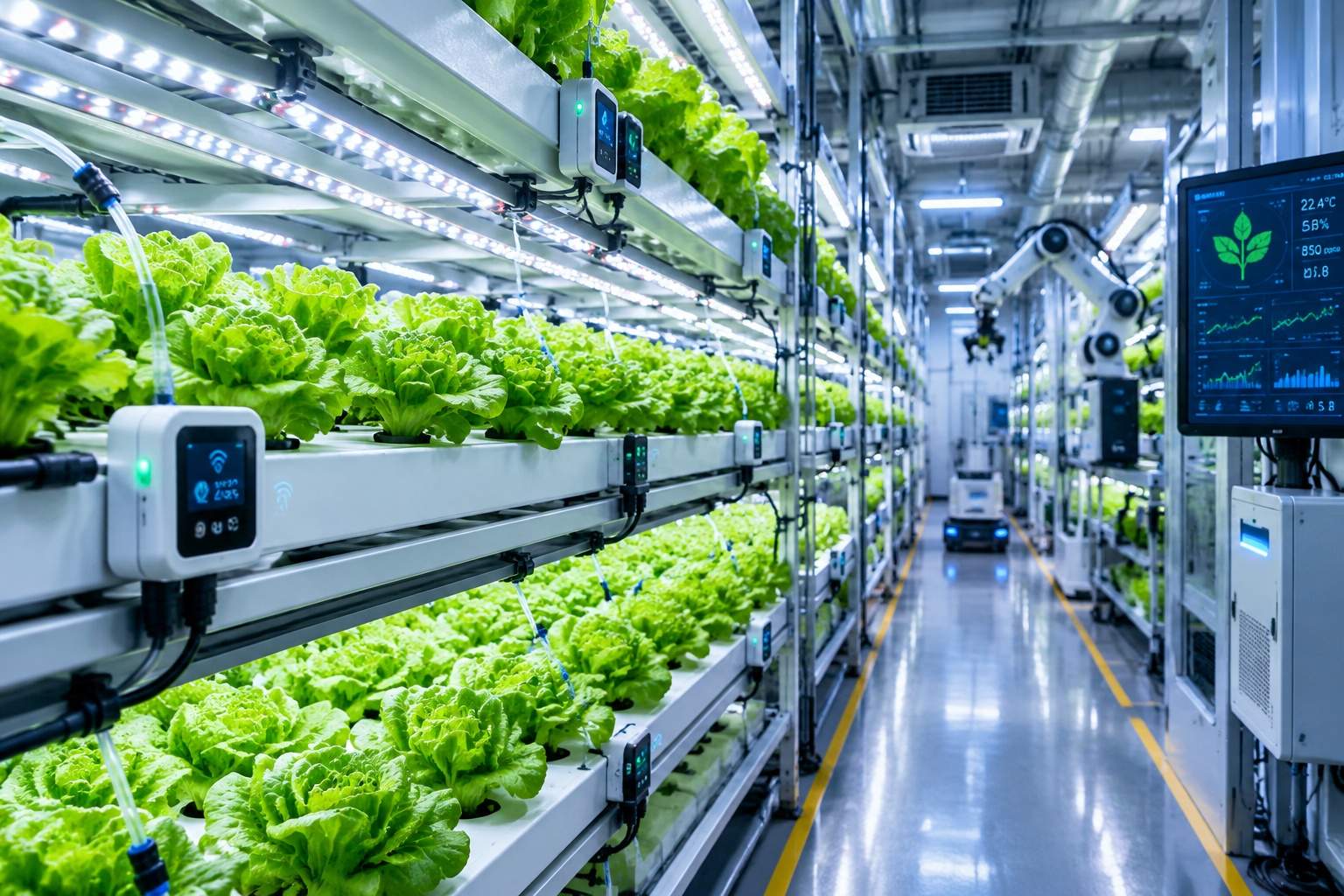
IoT software measures success in grams per square meter. Algorithms adjust LED lighting and nutrient delivery to force rapid biomass growth, creating massive fruit filled primarily with water.
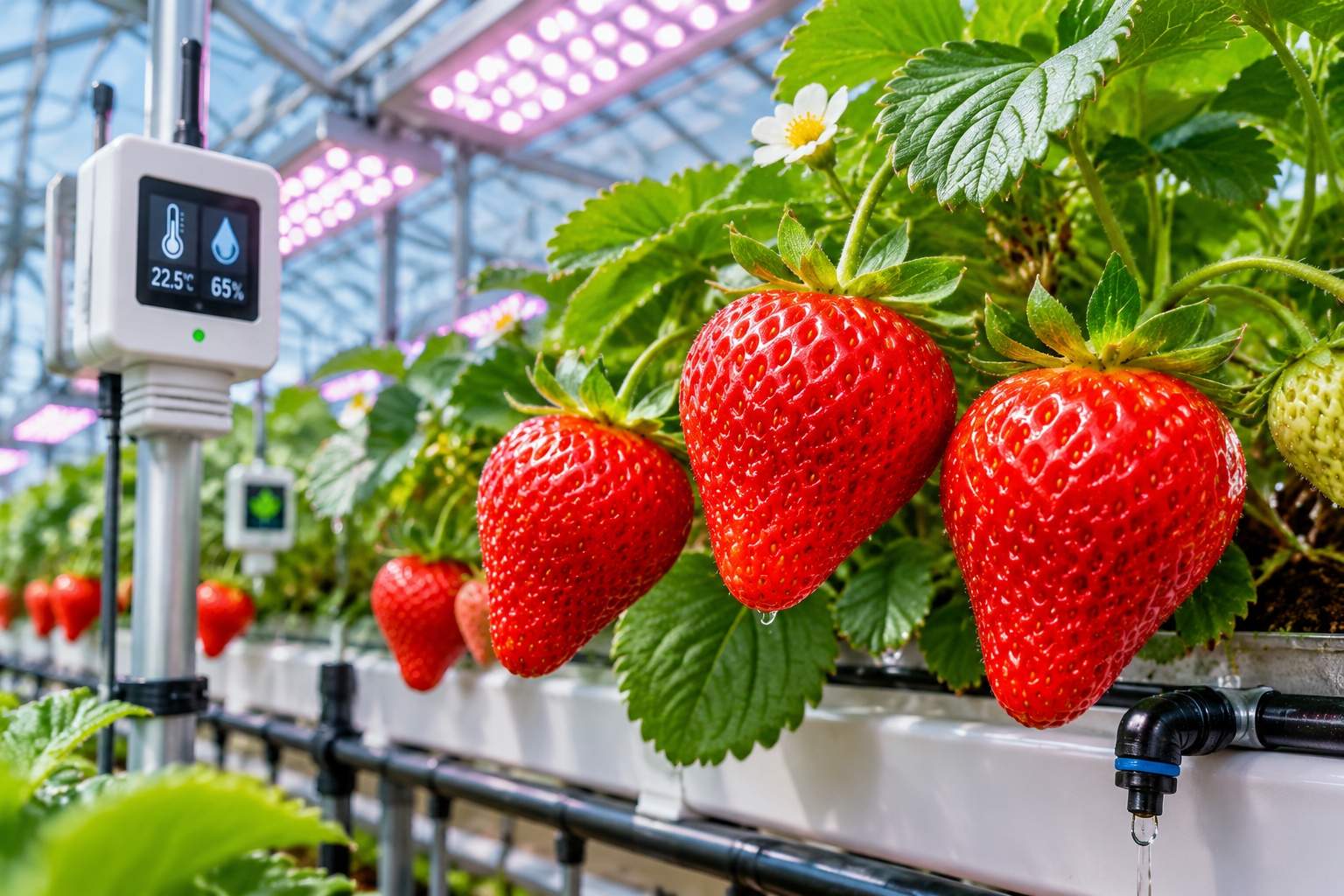
Environmental Control Sensors Trigger Accelerated Cell Expansion
Modern greenhouses use environmental control sensors to eliminate natural plant stress. Temperature, humidity, and carbon dioxide remain locked in permanent optimal ranges.
Plants exposed to mild natural stress produce higher concentrations of secondary metabolites, including sugars and aromatic esters. When IoT climate systems remove all environmental friction, plants stop producing flavor compounds and focus entirely on structural cell expansion.
Wireless Sensor Networks Reward Cosmetic Perfection Over Aroma Compounds
Automated monitoring systems scan crops around the clock using computer vision and environmental node data. The algorithm flags cosmetic blemishes, inconsistent sizing, and slow growth rates instantly.
Growers calibrate these wireless sensor networks to hit visual criteria demanded by retail distributors. Flavor profile metrics are completely absent from standard IoT dashboard analytics.
Automated Drip Irrigation Dilutes Natural Plant Sugars
Sub-surface drip irrigation systems maintain constant soil moisture levels based on real-time soil probe readings. This steady water feed prevents fruit splitting, but continuously dilutes the sugar accumulation inside the ripening berry.
Algorithmic Harvesting Timelines Prioritize Supply Chain Transport
Predictive analytics models dictate picking times based on firmness sensors and shipping destination logistics. Fruit is harvested when firm enough to survive distribution, long before volatile aroma compounds peak on the vine.
Data-Driven Greenhouses Miscalculate True Crop Quality Metrics
The core failure of current smart farming lies in flawed key performance indicators. Technology vendors sold growers on yield volume metrics rather than consumer satisfaction parameters.
Sensors accurately measure canopy temperature and moisture substrate flux. Yet, virtually no commercial greenhouse deploys optical sugar sensors or volatile compound detectors to monitor flavor development before harvest.
Real IoT Value Demands Flavor-First Sensor Calibration
Sensor technology itself is not the enemy of delicious produce. The issue stems from misaligned agricultural algorithms that treat biological food production like factory stamping.
When smart farm operators calibrate IoT networks to optimize sugar density over raw water volume, high-tech berries will finally taste like real fruit again.