You step into your home, lights dim perfectly, favorite music flows, and the AC sets itself to your precise preference. Your smart home anticipates every need, a seamless extension of your comfort. This isn't science fiction; it's the promise delivered by today's interconnected IoT devices. But while your personal sanctuary hums with efficiency, have you genuinely assessed the price of this ultimate comfort? Beyond the sleek interfaces and instant gratification lies a more complex reality: an extensive, invisible data collection network operating within your most private space.
E.g. :Why Clean Energy Upgrade Fails Ordinary Households Despite Booming Industrial Adoption
- 1、The Invisible Data Harvest: Mapping Your Life
- 2、Beyond Convenience: The Real Cost of "Free" Services
- 3、Securing Your Digital Sanctuary: IoT Security Risks
- 4、Reclaiming Control: Actionable Steps for Smart Home Users
- 5、The Future of Smart Living: Balancing Innovation and Integrity
The Invisible Data Harvest: Mapping Your Life
Every smart device, from your thermostat to your robotic vacuum, collects data. This isn't merely about optimizing your comfort; it’s about building a comprehensive profile of your habits, presence, and preferences. For many, this data is the true product, often traded for the convenience offered. Ignoring this fundamental exchange is a critical oversight for any smart home owner. The promise of predictive living often masks a deeper data mining operation.
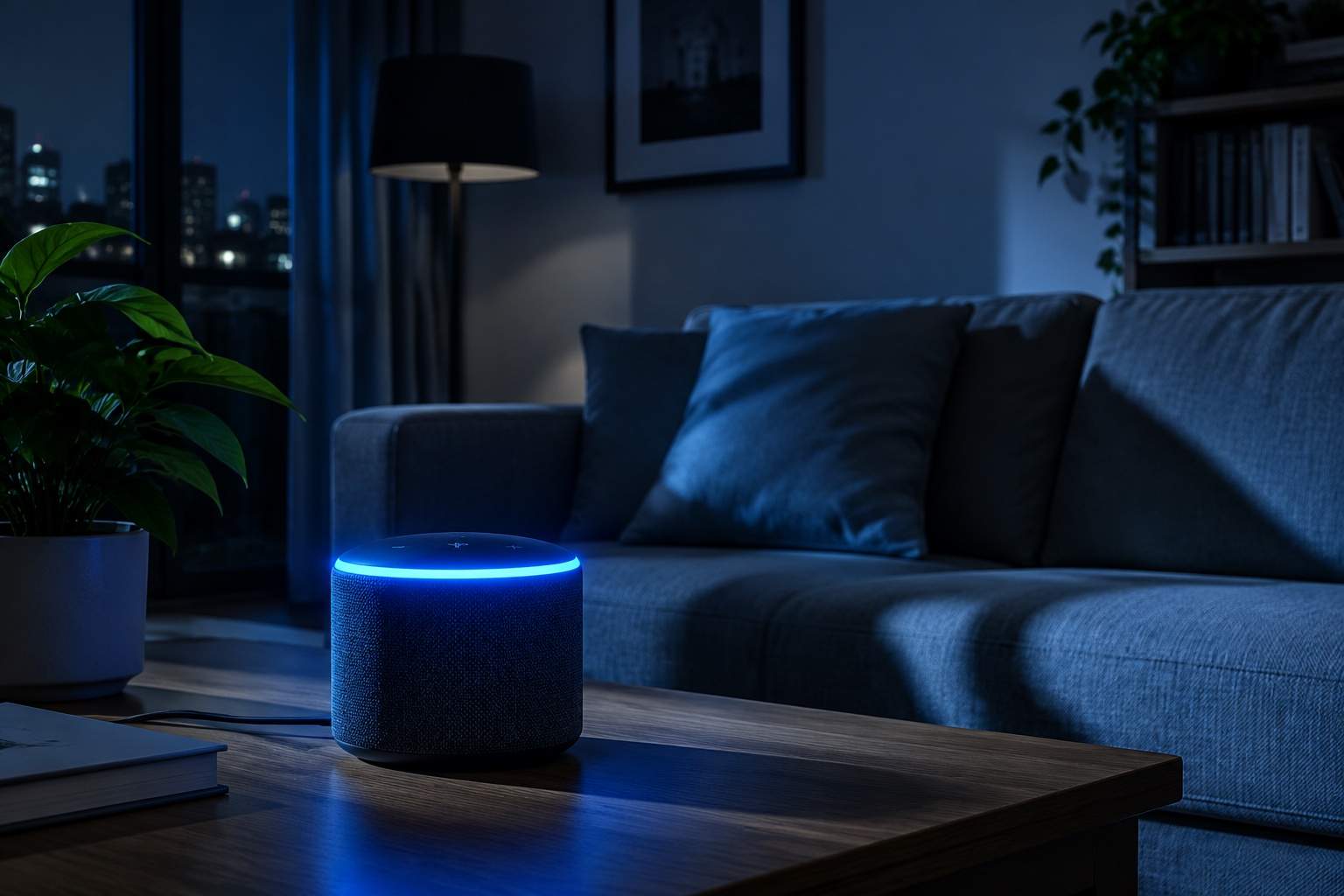
Voice Assistants: Your Always-On Listener
Your smart speaker isn't just waiting for "Hey Google" or "Alexa." These devices utilize always-on microphones, constantly processing snippets of audio to detect their wake word. While companies claim these snippets are anonymized or deleted, the sheer volume of incidental recordings, sometimes triggered by false positives, presents a clear pathway for extensive audio data collection. This auditory footprint, however brief, paints an unsettlingly accurate picture of your household’s daily life. It's a continuous, low-level surveillance you've likely invited.
Beyond Convenience: The Real Cost of "Free" Services
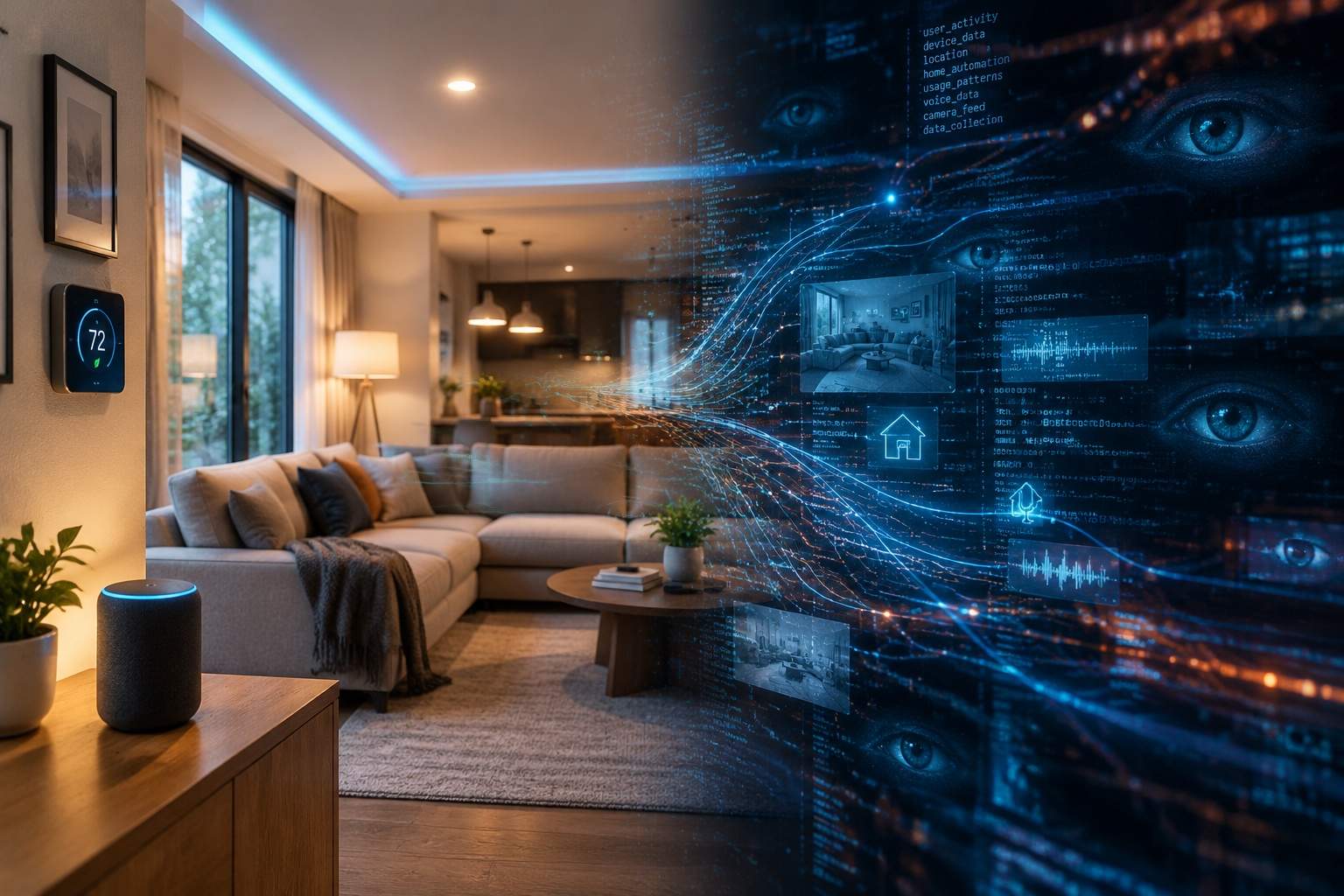
The initial investment in smart home devices often feels minimal compared to the perceived value. However, the operational model frequently relies on monetizing the data generated by users. This "free" aspect of service comes with a hidden cost: your personal information. When devices offer features like predictive scheduling or personalized recommendations, they are directly leveraging your historical data—data you implicitly consent to share, often without truly understanding its scope or destination. The market for aggregated consumer data is robust, and your smart home is a prime contributor.
The Interconnected Web: When One Device Knows All
The issue deepens when devices from different manufacturers, or even within the same ecosystem, share data. Your smart TV knows what you watch, your fitness tracker knows your activity levels, and your smart lock knows when you come and go. When these disparate streams converge, they create an incredibly detailed digital twin of your physical existence, ripe for analysis by advertisers, insurance companies, or less scrupulous entities. The promise of an integrated experience often obscures the reality of integrated surveillance.
Securing Your Digital Sanctuary: IoT Security Risks
The rapid proliferation of smart home devices has consistently outpaced robust security standards. Many manufacturers prioritize ease of setup and low cost over stringent cybersecurity measures, making their products attractive targets for malicious actors. A compromised smart device isn't just an inconvenience; it's a potential backdoor into your entire home network, exposing everything from personal photos to banking details. This vulnerability is not an edge case; it's an industry-wide blind spot.
Device Vulnerabilities: Open Doors
Default passwords, unpatched firmware, and insecure communication protocols are alarmingly common. A recent industry report indicated that over 70% of IoT devices tested had significant security vulnerabilities, a number that rarely sees substantial improvement. These weak links create critical entry points, allowing unauthorized access to cameras, microphones, and network traffic. Your comfort should not come at the expense of your fundamental digital security, yet for many, it inadvertently does.
Reclaiming Control: Actionable Steps for Smart Home Users
Understanding the inherent risks is the first step; taking decisive action is the next. Users must become proactive guardians of their digital domain, moving beyond passive acceptance. This involves more than just skimming lengthy privacy policies. It means actively questioning data practices, isolating critical devices on separate network segments, and prioritizing vendors with transparent, verifiable security commitments. Control isn't given; it's taken.
The Future of Smart Living: Balancing Innovation and Integrity
The trajectory of smart home technology continues its upward climb, pushing boundaries of convenience and automation. Yet, this progress demands a parallel evolution in user awareness and corporate responsibility. The ultimate comfort of a truly smart home must be built on a foundation of trust, where innovation is matched by an unwavering commitment to data integrity and robust security. Anything less is a compromise too great.
The allure of a perfectly automated home is undeniable. Yet, the price of this unparalleled comfort often includes an invisible network of data collectors and significant security liabilities. The choice isn't to reject smart homes, but to engage with them critically. Demand transparency, understand the trade-offs, and secure your digital sanctuary before your ultimate comfort becomes unseen surveillance.