You grab a bag of chips, walk through the glass doors, and wait for the dopamine hit of a seamless exit. An hour later, your phone pings. You have been charged for a premium dry-aged ribeye you never touched, simply because you checked your emails while standing too close to the meat locker.
E.g. :Smart Office Technology Can Track Your Desk, But Can It Improve Productivity?
- 1、The High Cost of Eliminating the Traditional Point of Sale
- 2、How Computer Vision and Sensor Fusion Fail in Crowded Aisles
- 3、Why Digital Receipts Turn Customers into Unpaid Audit Interns
- 4、The Hidden Friction of Seamlessness in Modern Smart Retail
- 5、Reclaiming Control Over the Autonomous Shopping Experience
This is the reality of the wait-free dream. What was marketed as the ultimate convenience has morphed into a high-stakes game of digital hide-and-seek. The time you saved by not standing in a physical queue is now spent meticulously auditing digital receipts, trying to prove to a faceless algorithm that you are not a thief or a victim of system lag.
The High Cost of Eliminating the Traditional Point of Sale
Retailers are rushing toward automated checkout to solve the labor crisis and harvest granular consumer data. By removing the physical register, they eliminate the most expensive square footage in the store. The business value is clear: higher throughput and lower overhead.
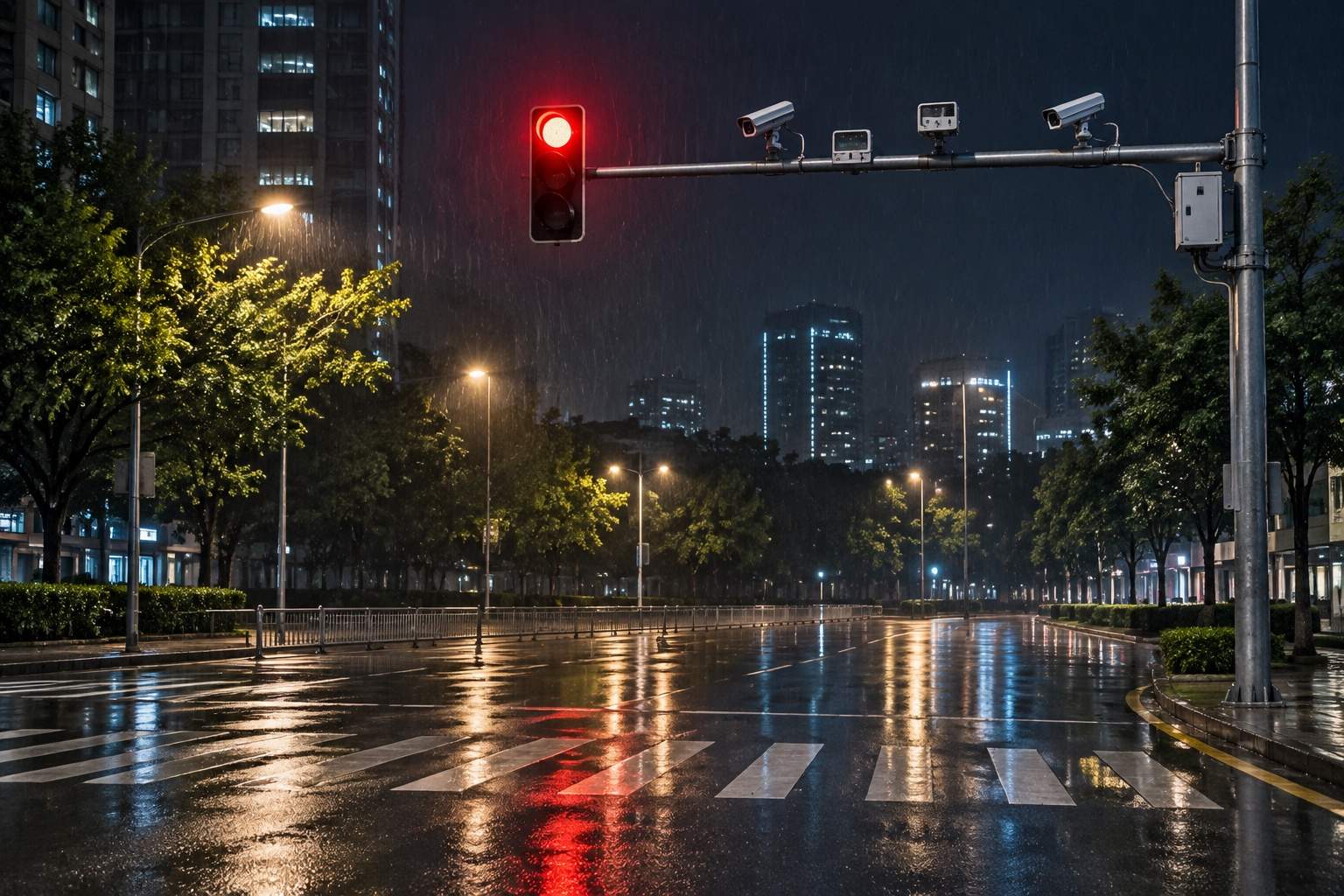
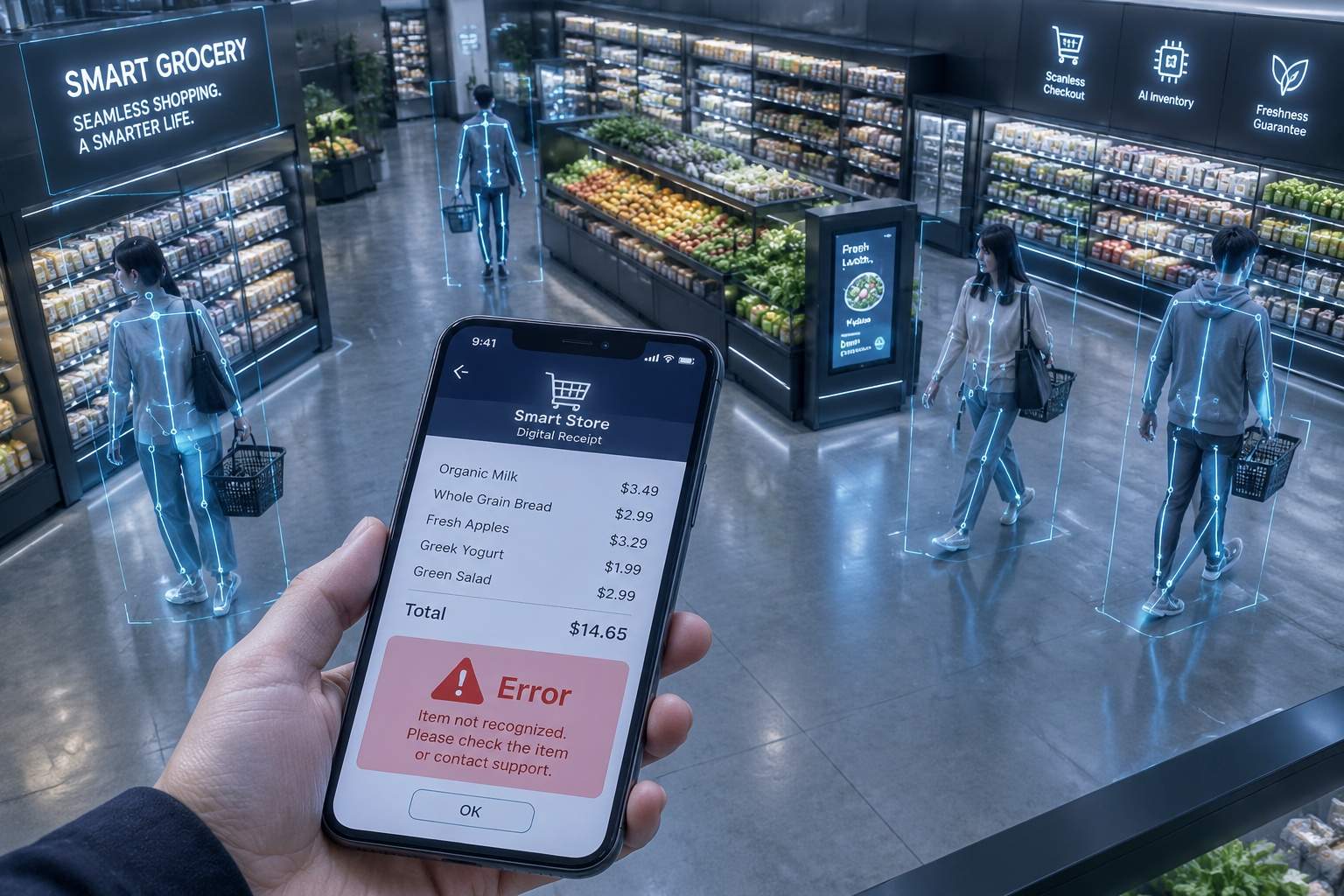
The implementation relies on a dense mesh of IoT hardware. Ceiling-mounted cameras track your skeletal movement while pressure-sensitive load cells on the shelves detect weight changes down to the gram. When these data streams align, the system creates a virtual basket. When they diverge, the consumer pays the price for the technical discrepancy.
How Computer Vision and Sensor Fusion Fail in Crowded Aisles
The industry relies on sensor fusion to bridge the gap between sight and touch. Computer vision identifies the "who," while weight sensors identify the "what." However, in a crowded environment, the signal-to-noise ratio collapses.
If two shoppers reach for the same shelf simultaneously, the AI frequently misattributes the action. The system prioritizes the completion of the transaction over its accuracy. In the world of smart retail, a false positive—charging you for something you didn't take—is often treated as a minor edge case, but for the user, it is a total breach of trust.
The Occlusion Problem and Ghost Transactions in Smart Retail
Occlusion is the silent killer of the autonomous store. When a tall shopper or a restocking cart blocks a camera’s line of sight, the system loses the "thread" of a customer’s journey. To compensate, the software makes a probabilistic guess.
These "ghost transactions" occur when the AI reconnects a lost user profile to the wrong set of shelf triggers. You aren't just paying for what you bought; you are paying for the system's inability to see through physical obstacles in a three-dimensional space.
Why Digital Receipts Turn Customers into Unpaid Audit Interns
The most significant pain point is the loss of the "verification moment." In a traditional store, the checkout line serves as a final audit. You see the price, you see the item, and you approve the total before the money leaves your account.
Smart stores defer this process. By the time you receive your digital receipt, you are miles away from the store. Reversing a five-dollar error becomes a bureaucratic nightmare involving app-based tickets and automated chat bots. The "seamless" experience has effectively outsourced the work of the cashier to the customer’s personal time.
The Hidden Friction of Seamlessness in Modern Smart Retail
Wait-free shopping introduces a new kind of cognitive load. Instead of relaxing, shoppers become hyper-aware of their body language. You hesitate to pick up an item to read the ingredients because you fear the "pick-and-put-back" logic might fail.
This is not a friction-less experience; it is a high-anxiety environment. The lack of a physical exit barrier removes the sense of closure from the transaction. The convenience of "just walking out" is negated by the persistent suspicion that the store’s overhead sensors are misreading your every move.
Why Real-Time Edge Computing Cannot Replace Human Verification
Current edge computing capabilities allow for rapid processing, but they lack the contextual nuance of human oversight. The system cannot distinguish between a child playing with a box and a customer intending to purchase it.
Until retailers integrate a real-time feedback loop—perhaps a transparent display at the exit showing your current tally—the wait-free store will remain a source of time-leakage. We are currently in an era where the technology is advanced enough to charge us, but not intelligent enough to be corrected in the moment.
Reclaiming Control Over the Autonomous Shopping Experience
The IoT industry needs to stop obsessing over the "cool factor" of vanishing registers and start focusing on transactional transparency. Efficiency is worthless if it requires a twenty-minute support call to fix a five-second error.
Future smart retail must prioritize real-time error correction over the aesthetic of an empty exit. Until the "point of sale" is returned to the user’s control, we are simply trading a physical line for a digital headache.