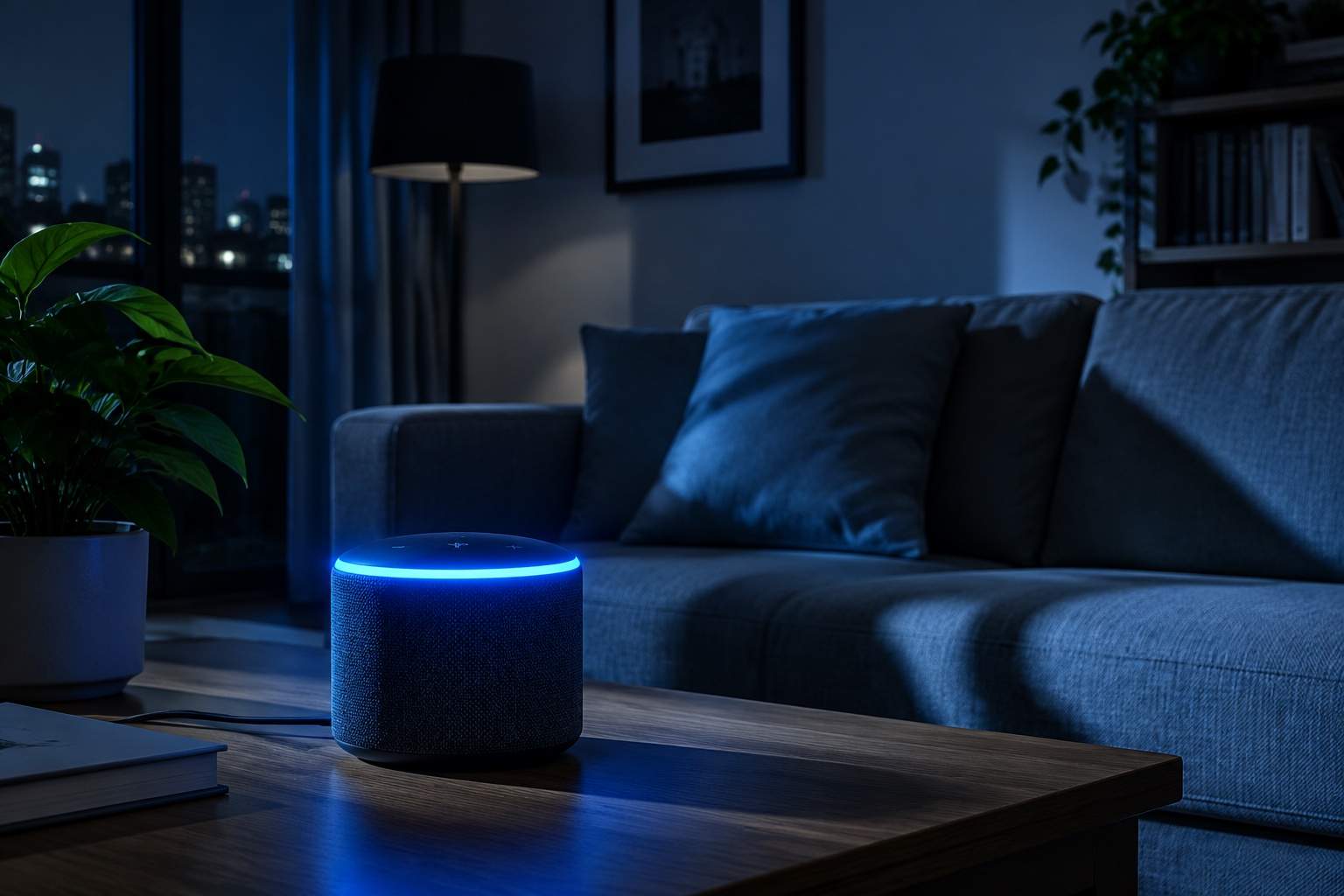
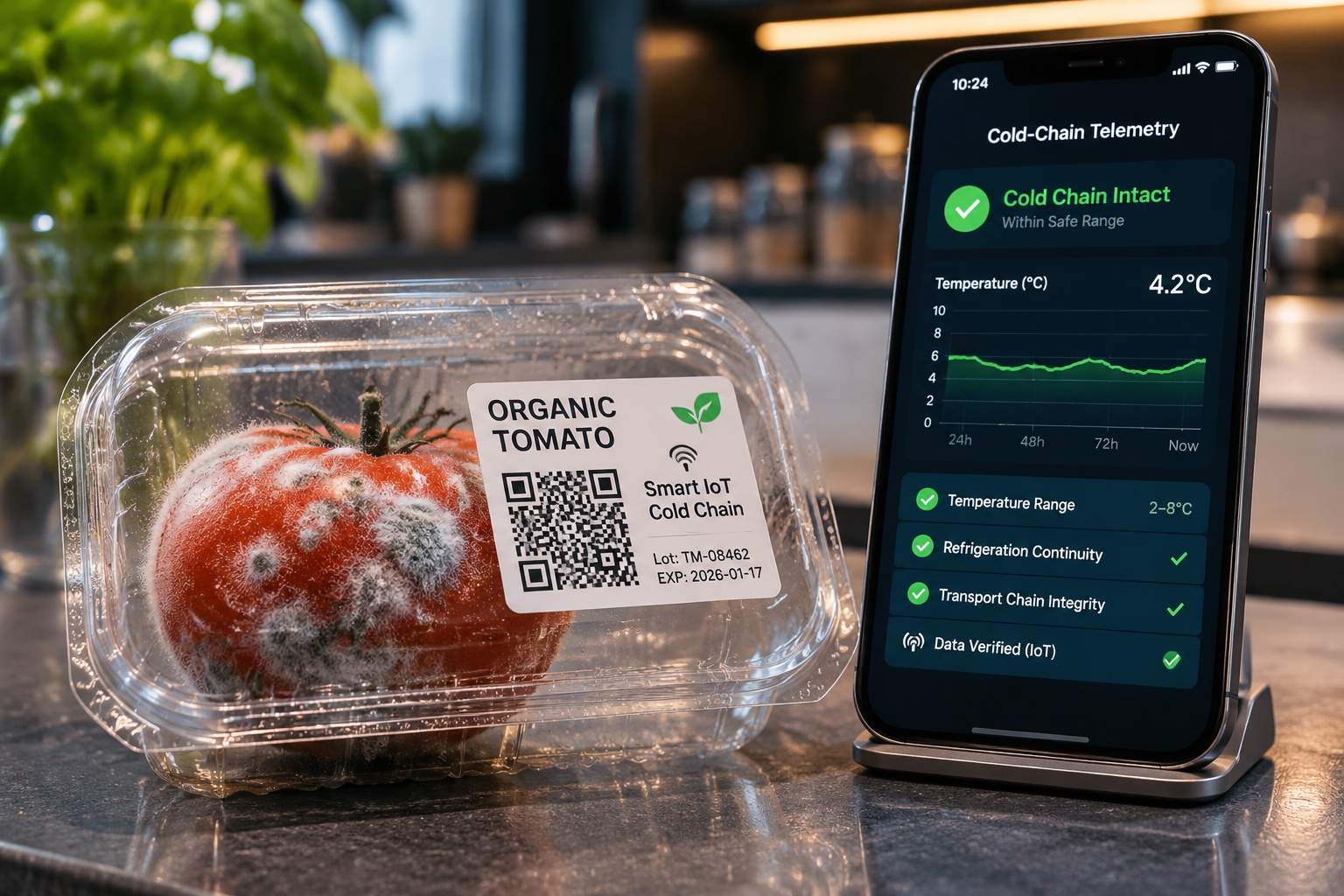
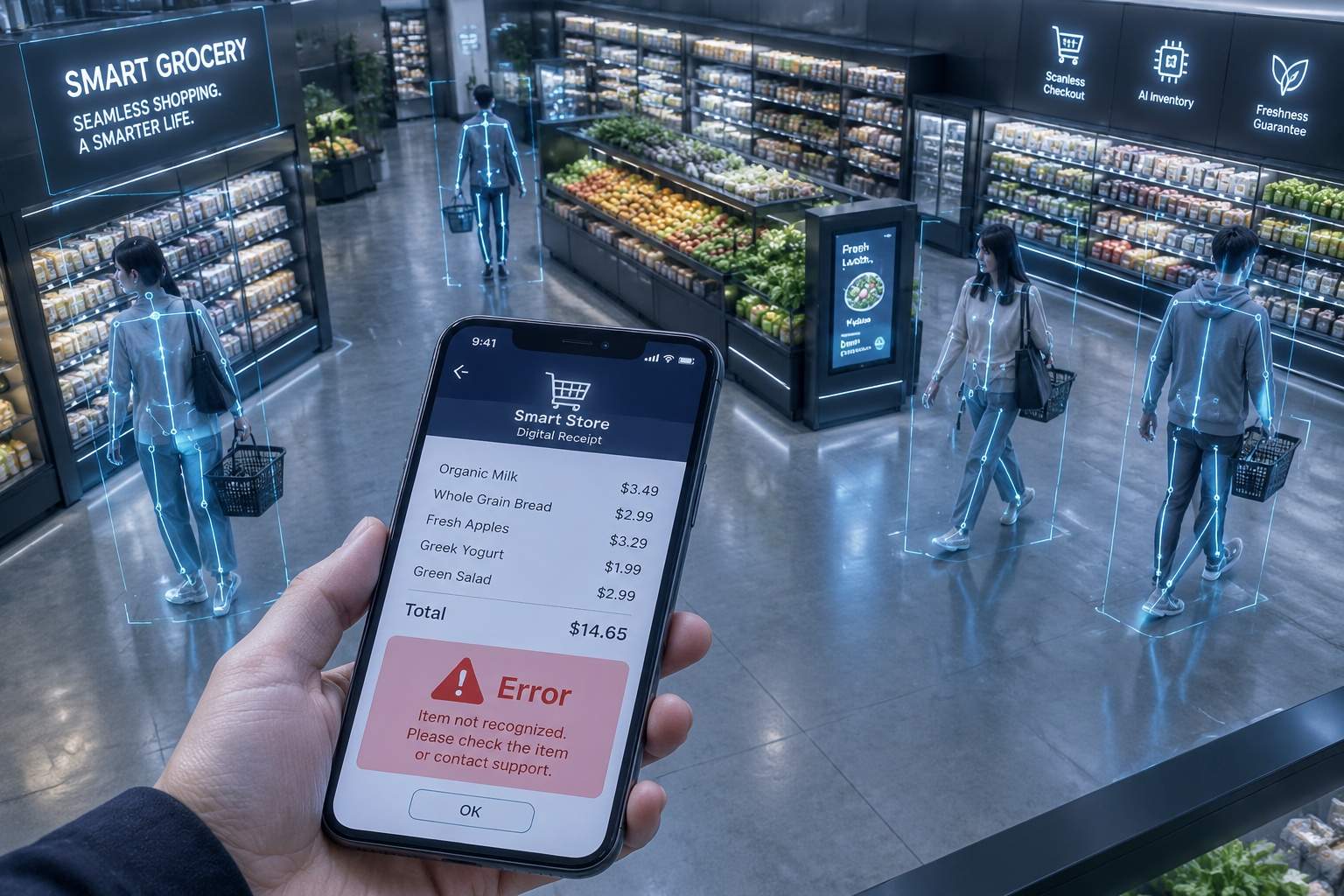
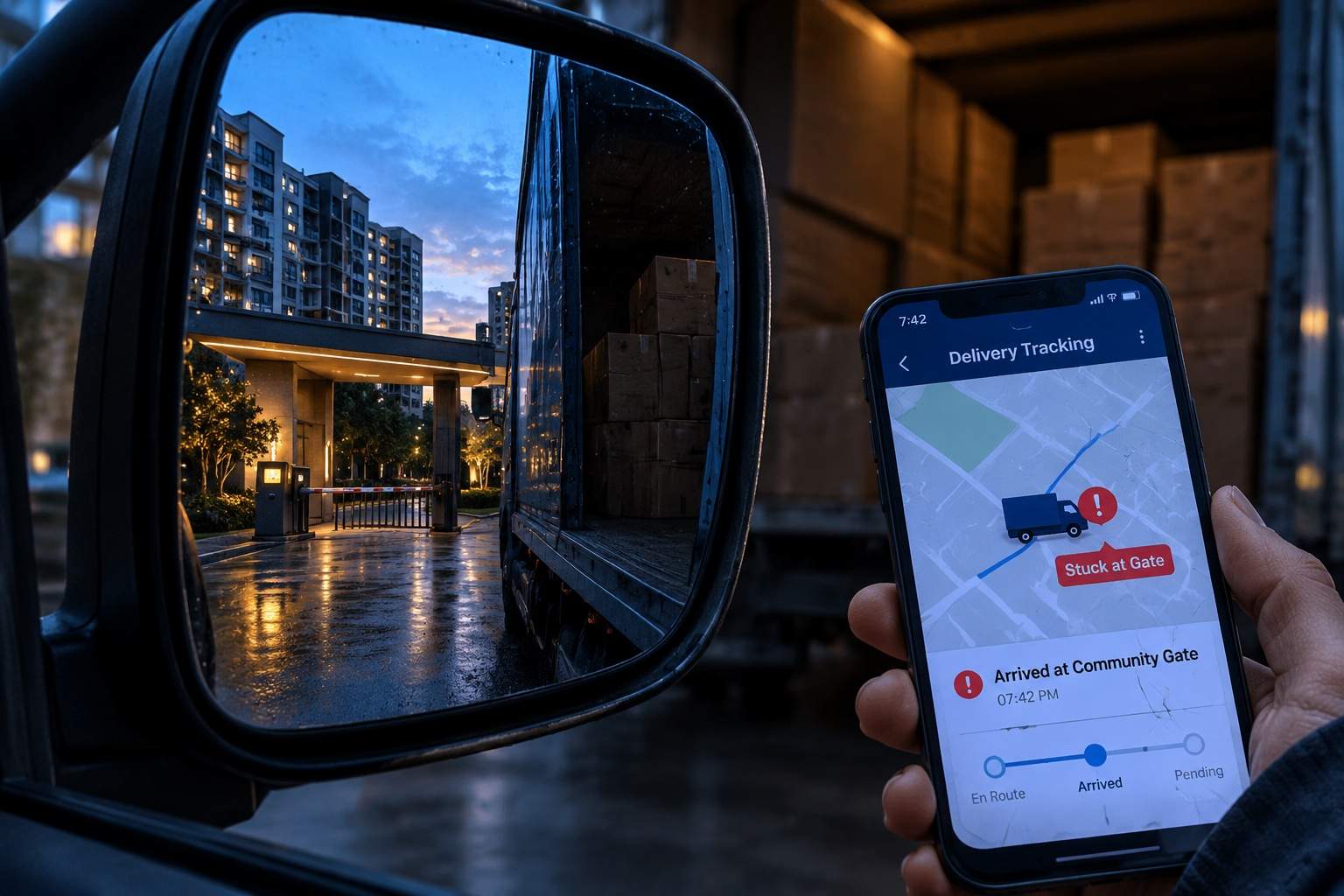
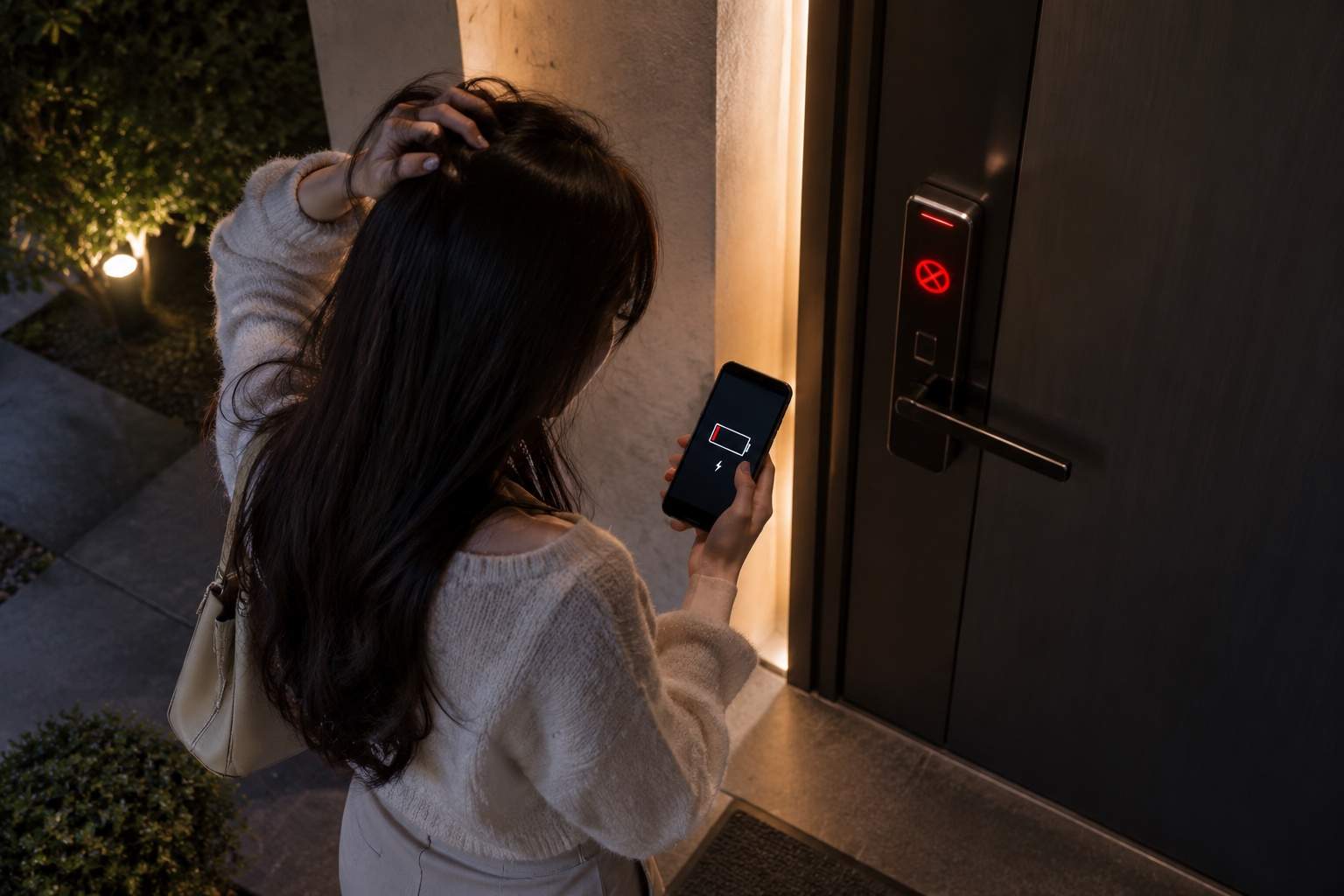
It is midnight. Your smartphone battery just flickered to 1% and died. You stare at the sleek, matte-black face recognition lock on your front door—a $500 piece of engineering excellence. Usually, it recognizes you in milliseconds. Tonight, it stares back, cold and unresponsive. The manufacturer’s cloud server is undergoing a "routine maintenance" window, and your local Wi-Fi just hiccuped. You are officially a stranger to your own home.
E.g. :The Green Grid's Unseen Ledger: Are We Trading Transparency for "Smart"?
- 1、The Cloud Connectivity Paradox in Premium Smart Home Security
- 2、Why Adding Multiple Points of Failure Degrades Residential IoT Reliability
- 3、The Architectural Mismatch Between Mechanical Hardware and Software Lifecycles
- 4、Transitioning from Cloud Dependency to Local Edge Computing Protocols
- 5、Evaluating the Real Security ROI of Face Recognition and Biometric Locks
The irony is expensive. You paid a premium to replace a $2 metal key—a device with 100% uptime for the last millennium—with a digital ecosystem that requires a stable handshake between your router, an ISP, and a server in another time zone just to move a deadbolt three inches. This isn't just a minor glitch; it is a fundamental flaw in how we define "smart" technology.
The Cloud Connectivity Paradox in Premium Smart Home Security
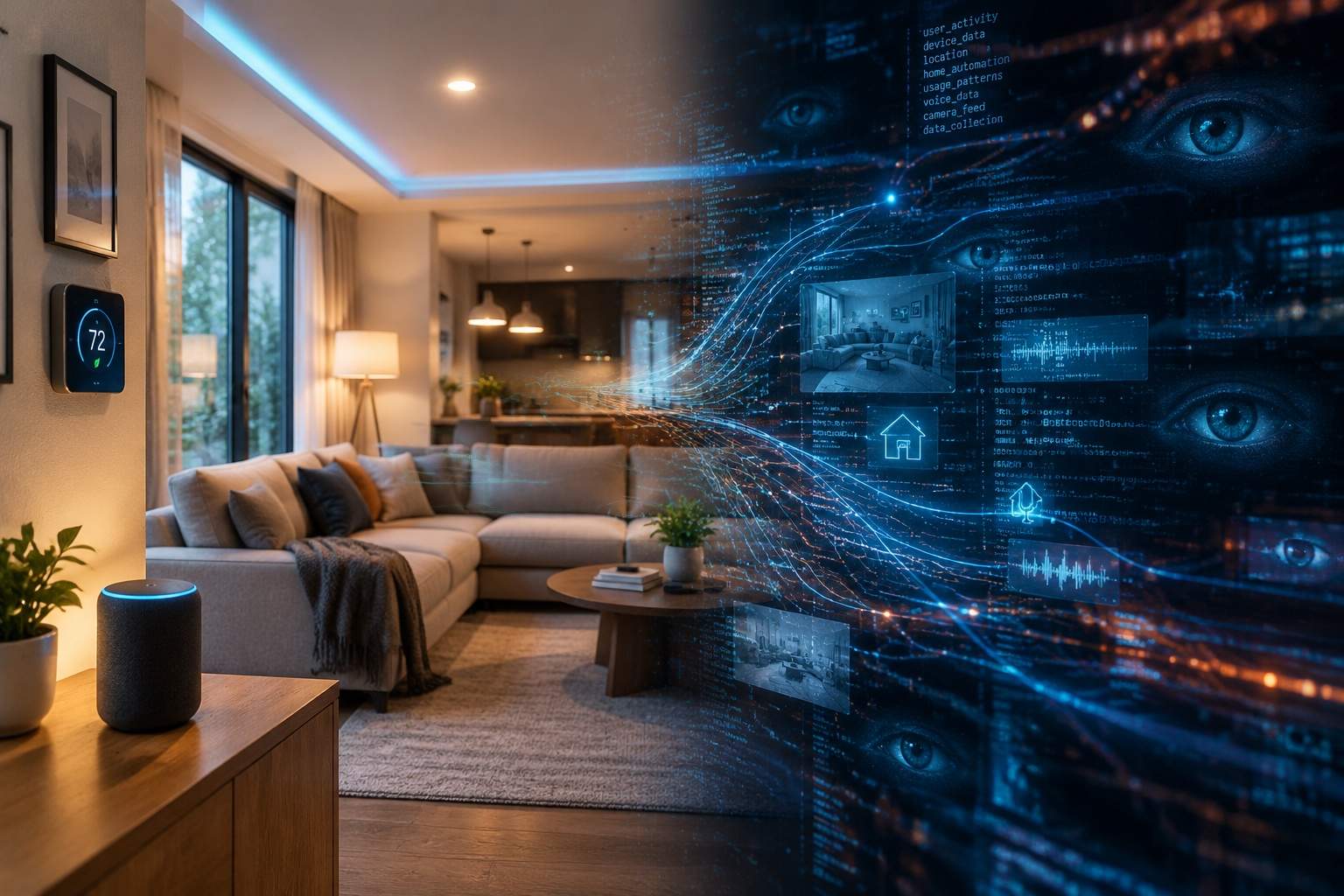
Readers just need one thing from a door: for it to open when they arrive. Yet, the current IoT industry logic prioritizes data harvesting and remote management over basic local functional integrity. Most high-end smart locks are "cloud-first." When the internet drops, the intelligence of the device often drops with it. If the brain of your house lives in a data center three thousand miles away, you don't own your security; you are merely renting access to it.
Industry data suggests that 70% of smart home failures stem from connectivity issues or server-side outages rather than mechanical defects. We have traded the physical reliability of brass and steel for the fragile uptime of software-as-a-service. A house that cannot function offline is not a smart home; it is a high-tech liability.
Why Adding Multiple Points of Failure Degrades Residential IoT Reliability
In engineering, simplicity is the ultimate safeguard. A traditional lock has one point of failure: losing the physical key. A smart lock introduces a dozen: battery depletion, Wi-Fi interference, firmware bugs, app compatibility issues, and external server outages. Every additional layer of "convenience" acts as a new potential wall between you and your living room.
Practitioners know that the more complex a system, the higher the probability of a "cascading failure." When your ISP performs a midnight update, your smart hub might lose its IP assignment. The lock, unable to verify your identity against the cloud database, defaults to a "secure" (locked) state. The system is working exactly as programmed, but it is failing the user completely.
The Architectural Mismatch Between Mechanical Hardware and Software Lifecycles
Buildings are designed to last decades. Mechanical locks can function for thirty years without a single update. Software, however, moves in cycles of months. We are seeing a dangerous trend where $3,000 smart home installations become "bricks" because a manufacturer goes bankrupt or decides to stop supporting a specific API version.
How Firmware Updates Can Brick Your Physical Entrance Security
A botched firmware update is the digital equivalent of a key snapping off in the cylinder. The difference is that a locksmith can fix a physical break. If a forced OTA (Over-the-Air) update corrupts the local storage of a smart lock, the hardware becomes useless. The industry must move toward "graceful degradation"—the idea that a device should always revert to a functional, if less "smart," state when the tech layer fails.
Transitioning from Cloud Dependency to Local Edge Computing Protocols
The solution isn't to go back to the Stone Age, but to demand better architecture. Edge computing—processing data locally on a hub rather than in the cloud—is the only way to ensure 99.9% reliability. If your face recognition data and permissions are stored locally on a secured bridge within your four walls, the state of the global internet becomes irrelevant to your ability to enter your home.
Why Matter and Thread Standards Are Essential for IoT Autonomy
New communication standards like Matter and Thread are finally addressing these pain points. By creating a unified, local-first language for devices, they allow your lock to talk directly to your phone or hub without needing a detour through a corporate server. This reduces latency and, more importantly, removes the "kill switch" held by service providers.
Evaluating the Real Security ROI of Face Recognition and Biometric Locks
Convenience is often a mask for vulnerability. While biometric locks offer a "frictionless" experience, they introduce privacy concerns that a physical key never could. If a database of facial hashes is breached, you cannot "change" your face like you change a password. The professional consensus is shifting: true high-end security should prioritize local encryption and physical overrides.
Digital vanity is a poor substitute for structural reliability. A smart home should serve its inhabitant, not its manufacturer's data requirements. If your expensive system requires an internet connection to let you into your bedroom, you haven't upgraded your home—you’ve just built a more expensive cage.