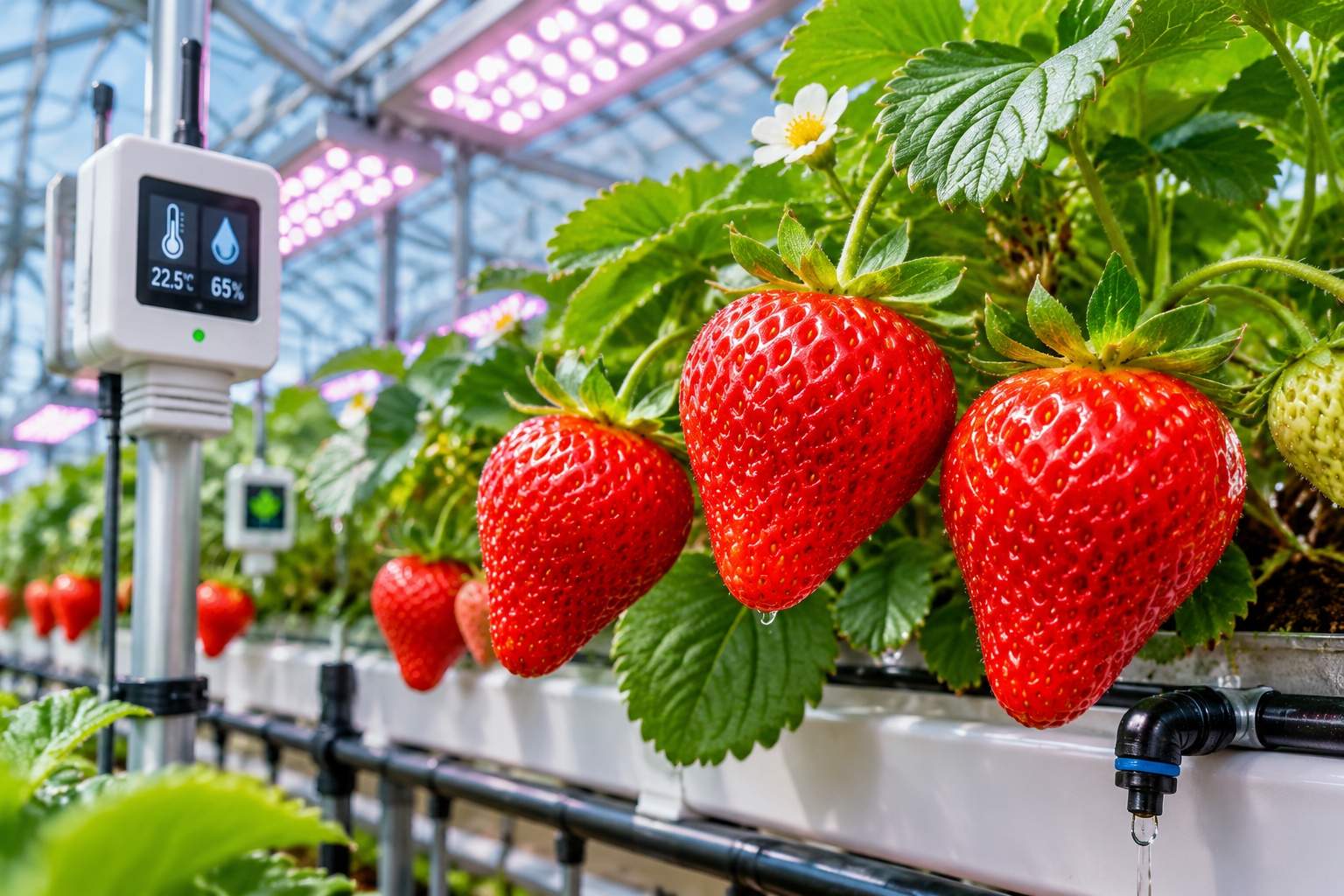
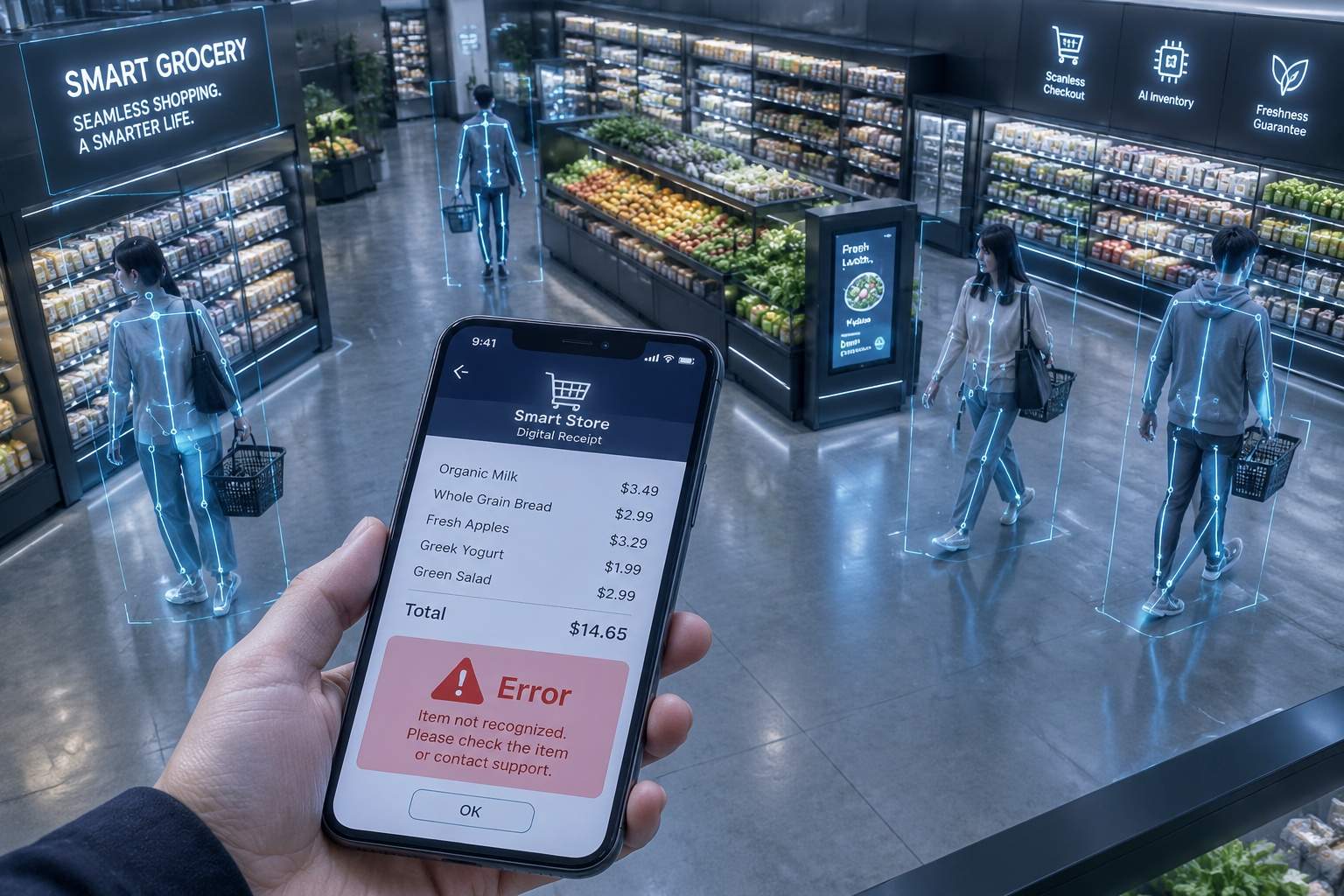
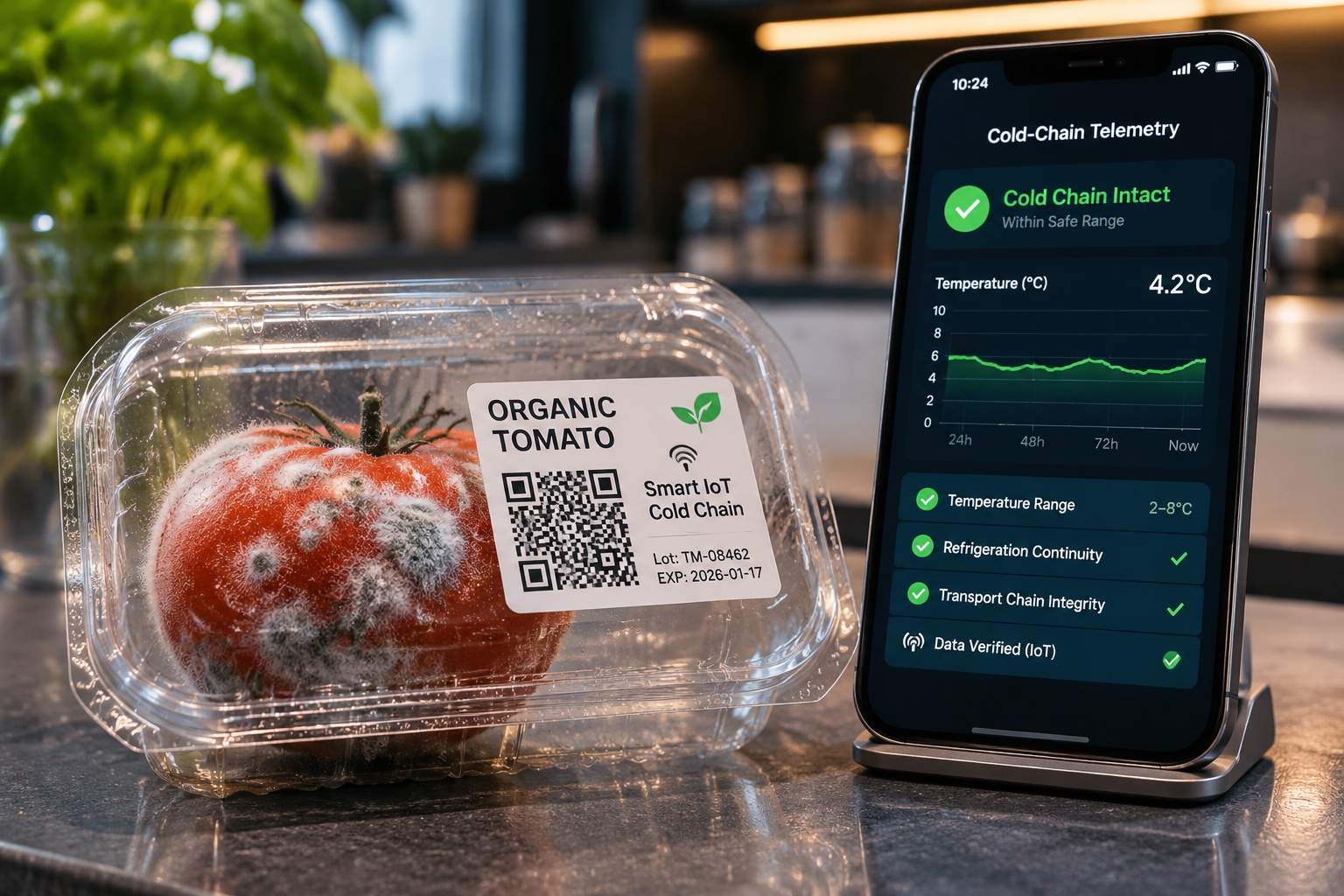
You pay top dollar for a greenhouse tomato tagged with a blockchain-backed QR code. The telemetry panel on your phone proves it was nurtured under ideal LED spectrums, precise drip irrigation, and real-time vapor pressure deficit monitoring. Two days inside your smart refrigerator, that pristine fruit collapses into a watery, moldy mess. Meanwhile, dirty soil-grown market tomatoes on your counter stay firm for a week.
E.g. :Ethical UX at the Crossroads: Is Persuasive Design Fueling Our Digital Shackles?
- 1、The Fragility Paradox of Precision Environment Control
- 2、Cold Chain Tracking Gaps Between Shelf and Kitchen
- 3、Smart Greenhouse Sensor Networks Overfit for Yield Not Shelf Life
- 4、Smart Fridge Sensor Data Cannot Fix Cellular Degradation
- 5、Engineering Resilient Produce Beyond Hyper-Controlled Microclimates
This isn't an anomaly. It is the structural paradox of modern precision agriculture.
The Fragility Paradox of Precision Environment Control
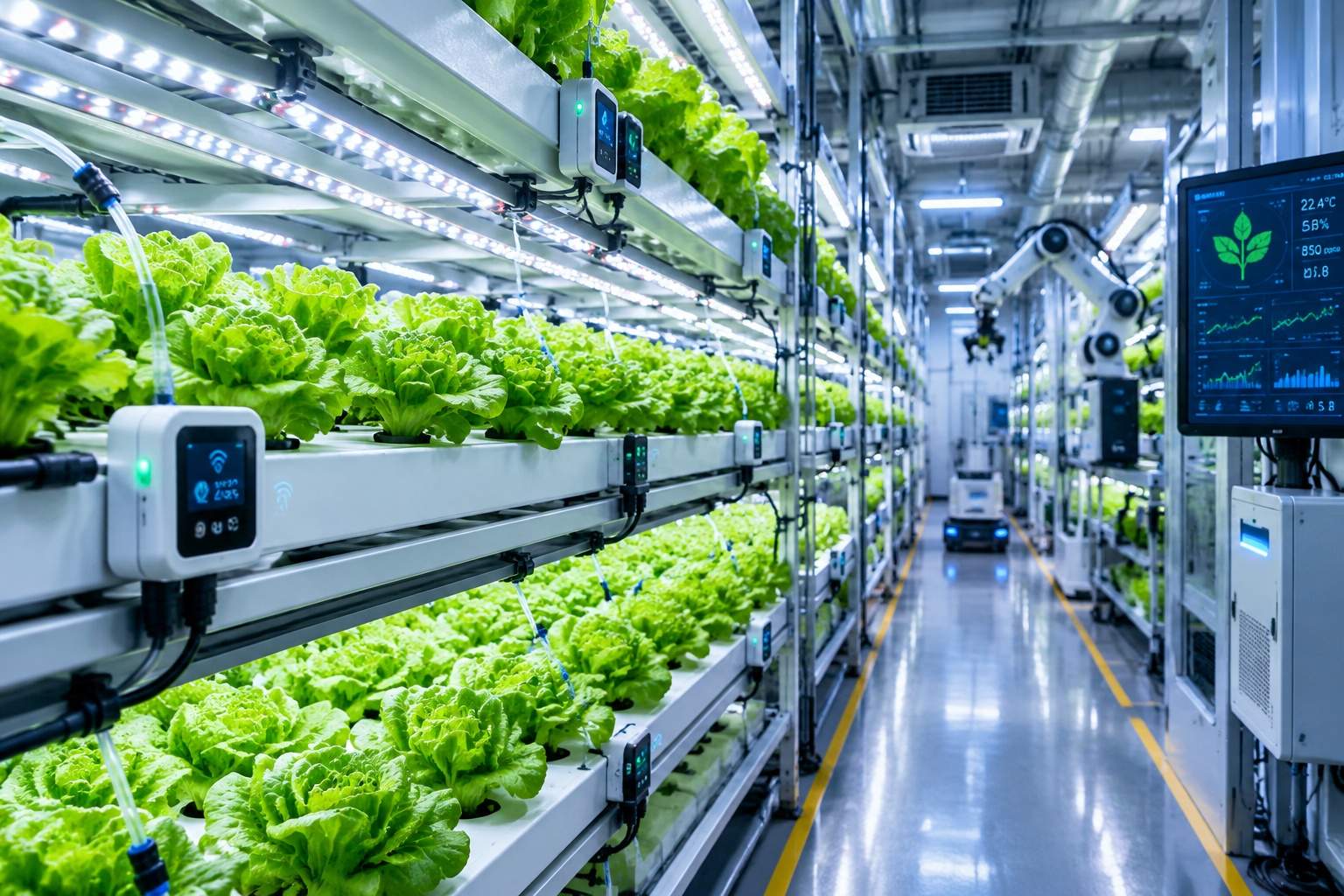
High-tech glasshouses rely on dense IoT sensor networks to eliminate biological stress. Automated climate computers adjust shading, carbon dioxide dosing, and root-zone nutrient electrical conductivity every thirty seconds.
By shielding crops from wind, drought, and pathogen pressure, growers produce record-breaking yields. But they also alter plant physiology.
Without natural ambient stressors, crops fail to develop thick epidermal cell walls or accumulate protective secondary metabolites like phytoalexins. The crop enters the supply chain as a biological weakling, optimized strictly for appearance and growth speed rather than post-harvest durability.
Cold Chain Tracking Gaps Between Shelf and Kitchen
Supermarket display cases showcase digital temperature logs confirming an unbroken four-degree Celsius chain. Yet these dashboard metrics conceal localized micro-climatic shocks.
IoT loggers are typically mounted on pallet frames or room walls, measuring ambient air rather than internal core pulp temperatures.
When soft, high-water-content greenhouse crops transition from display chillers to consumer shopping bags, condensation instantly forms inside sealed plastic packaging. This moisture micro-layer activates dormant fungal spores that atmospheric sensors failed to flag during transit.
Smart Greenhouse Sensor Networks Overfit for Yield Not Shelf Life
Commercial greenhouse automation is programmed for volume and turn-rate. Nutrient dosing algorithms favor heavy nitrogen and water delivery during the final maturation stage to swell fruit weight.
This practice inflates plant cells with water while starving them of structural calcium. The result is high yield per square meter, paired with low structural integrity.
Cellular Water Retention and Ambient Osmotic Shock
When brought home, hyper-hydrated tissue experiences rapid moisture loss in non-saturated residential air. Cell walls burst under internal osmotic pressure shifts, causing sudden softening.
Smart Fridge Sensor Data Cannot Fix Cellular Degradation
Smart home refrigerators market dual evaporators and climate-monitoring sensors. These systems regulate cabinet air temperature, but they fail to manage localized biological emissions.
Ethylene Accumulation Under Sealed Traceability Packaging
IoT-tracked fresh produce often comes in sealed, branded clamshell packaging designed to display QR codes and prevent consumer tampering.
These containers trap self-generated ethylene gas released by the fruit. While your smart fridge displays a stable three degrees Celsius, the gas concentration inside the plastic enclosure triggers rapid autocatalytic senescence, rotting the produce from the inside out.
Engineering Resilient Produce Beyond Hyper-Controlled Microclimates
Resolving this spoilage crisis requires reprogramming precision farming algorithms. IoT sensor feedback loops must balance biomass expansion with stress-hardening routines prior to harvest.
Introducing calculated environmental triggers, such as controlled vapor pressure variations and targeted UV exposure, forces crops to build native resistance.
Until AgTech prioritizes biological resilience over pure volumetric output, tracked greenhouse produce will continue to fail the moment it exits the artificial paradise of the smart supply chain.