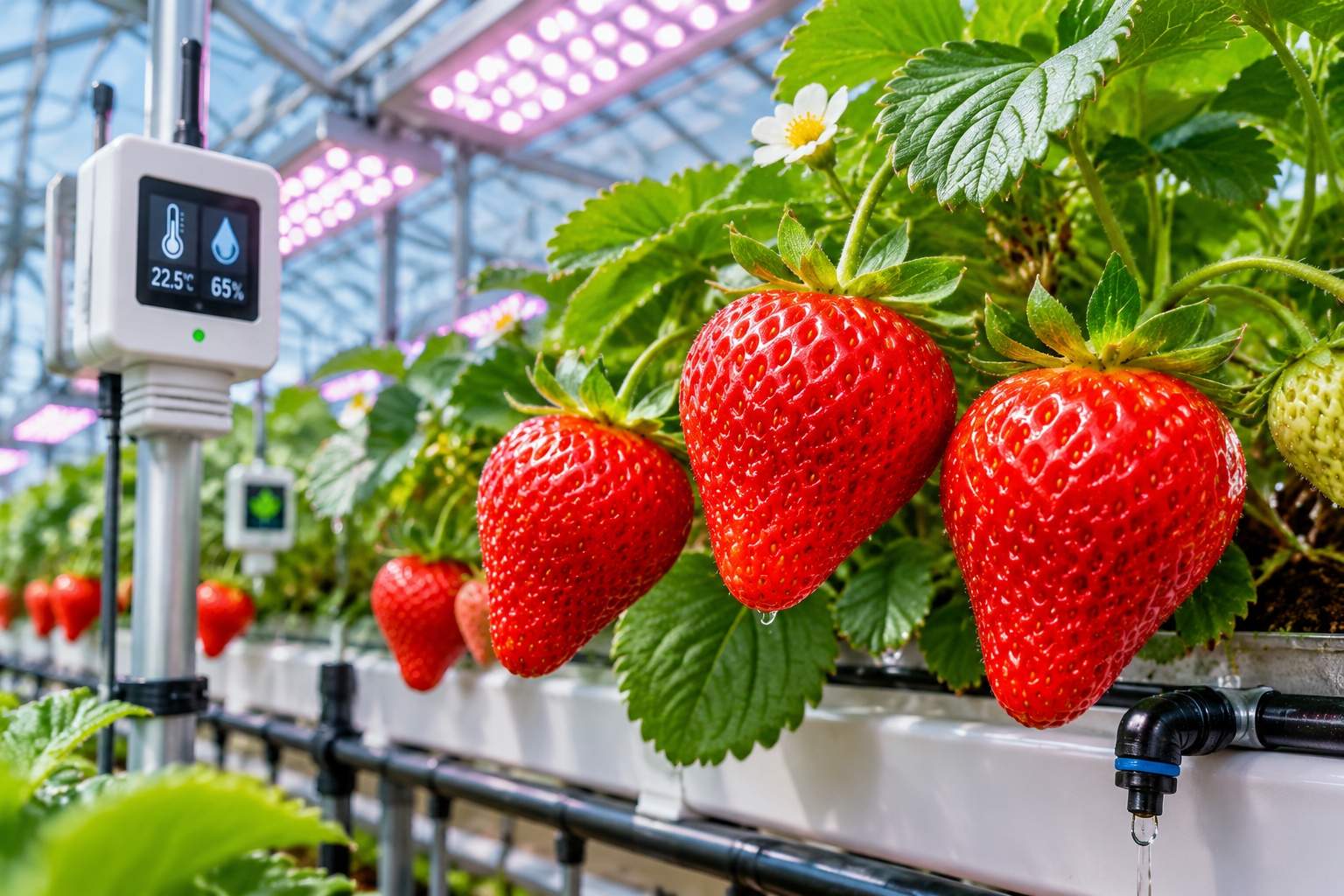
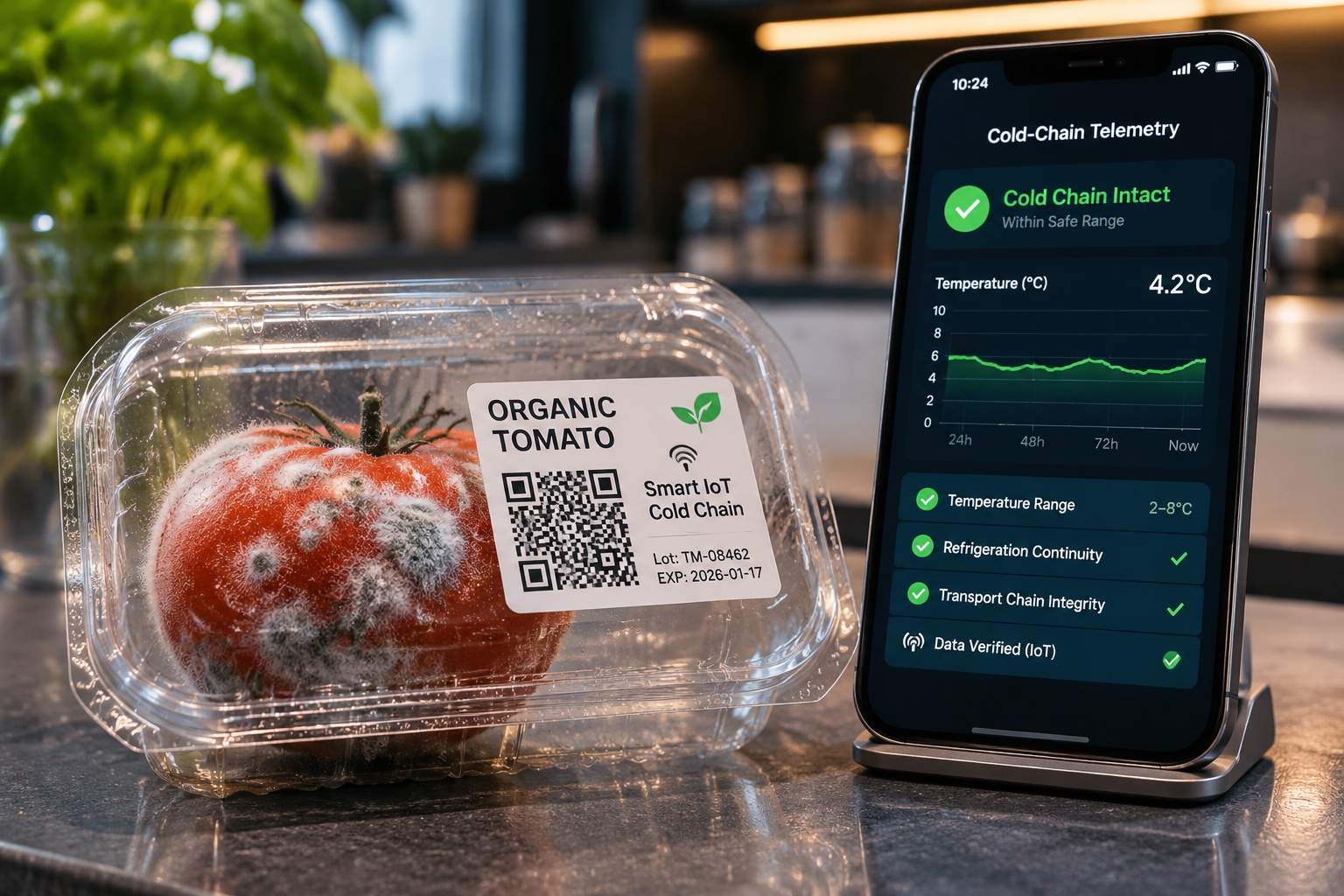
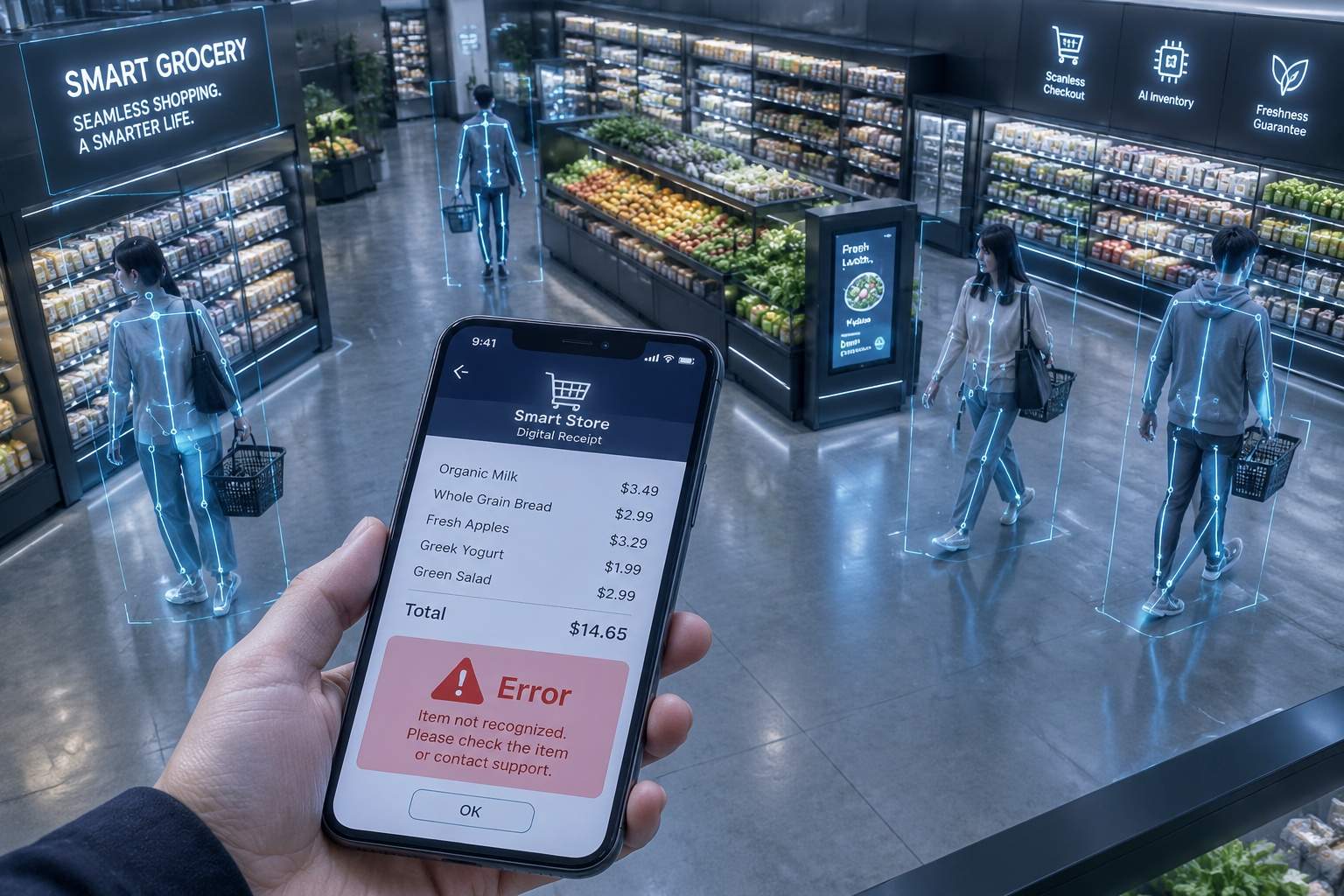
You're at the grocery store, mesmerized by rows of flawless, unblemished produce. "Locally grown," the label proudly declares, harvested from a high-tech indoor farm. Every berry, every lettuce leaf, appears genetically perfect, overseen 24/7 by a digital army of sensors and AI. Yet, a nagging question persists: why the exorbitant price tag, and what unseen costs underpin this laboratory-grade bounty? The marketing narrative touts sustainability and efficiency, but the reality often unveils an energy-intensive, resource-hungry system, its true environmental and nutritional footprints conveniently obscured.
E.g. :Smart Home: Convenience's Cost, IoT Privacy's Price
- 1、The Illusion of Plenty: IoT Agriculture's Hidden Costs
- 2、Vertical Farming's Energy Bill: A Climate Paradox
- 3、Nutritional Value: Beyond the Visual Perfection
- 4、Food Security or New Dependencies: The IoT Supply Chain Dilemma
- 5、The Real 'Local': Reclaiming Sustainable Farming
The Illusion of Plenty: IoT Agriculture's Hidden Costs
The promise of IoT agriculture is compelling: optimize yields, reduce waste, conquer climate challenges. By deploying an intricate network of sensors, data analytics, and automated controls, smart farms aim for unprecedented precision. Soil moisture, nutrient levels, light exposure, temperature – every variable is meticulously monitored and adjusted. This data-driven approach promises to transform arid landscapes into fertile grounds and urban warehouses into food factories. For investors, the appeal is a controlled environment mitigating risk; for consumers, the allure is consistent quality and year-round availability. However, this perfectly controlled environment comes at a steep, often unacknowledged, price.
Vertical Farming's Energy Bill: A Climate Paradox
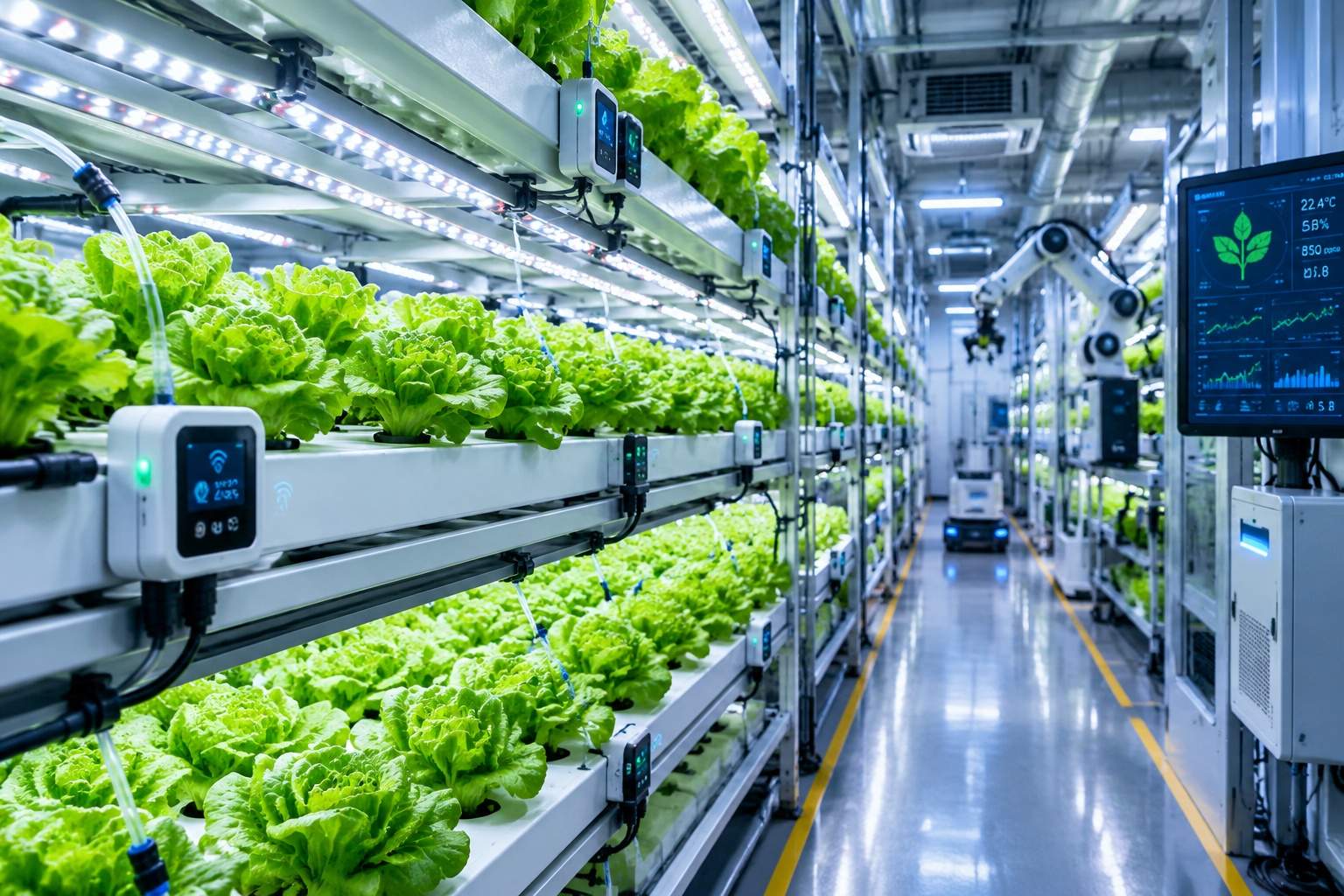
Take vertical farming, a poster child for IoT agriculture. These multi-layered indoor facilities, frequently showcased as the future, are marvels of engineering. But their reliance on artificial light, precise climate control, and extensive automation translates into an astronomical energy demand. Studies from Cornell University and other research institutions consistently highlight that the energy consumption per kilogram of produce in many vertical farms far exceeds traditional field farming, especially for low-value crops. We trade sunlight for LEDs, natural ventilation for HVAC, and rain for reverse osmosis water purification. Is this truly "sustainable" when its carbon footprint is heavily dependent on a grid often powered by fossil fuels?
The Grid Dependency: Unseen Fragility
The heavy energy load isn't just an environmental issue; it introduces significant operational fragility. A large-scale vertical farm is fundamentally tied to a stable, affordable energy supply. Power outages, grid fluctuations, or escalating electricity prices can cripple production instantly. This creates a new, centralized vulnerability within the food supply chain, contrasting sharply with the distributed resilience often lauded in traditional farming models. We replace weather risks with infrastructure risks, exchanging one set of dependencies for another.
Nutritional Value: Beyond the Visual Perfection
The flawless appearance of smart-farmed produce is often its strongest selling point. Uniform size, vibrant color, and extended shelf life are undeniable benefits. But does visual perfection equate to superior nutritional density or taste? Research into the actual nutritional profiles of vertically farmed produce, compared to sun-grown counterparts, yields mixed results. While controlled environments can optimize certain vitamins, the absence of natural UV light and complex soil microbiomes might impact other compounds vital for human health. The conversation often sidesteps the critical question: are we merely growing nutrient-diluted "food units" that look good, but lack the robust flavor and complex micronutrient spectrum of diverse, field-grown crops?
Taste vs. Tech: The Flavor Factor
Many consumers report a noticeable difference in taste and texture. The crunch and sweetness of a sun-ripened tomato often stand apart from its hydroponically grown cousin. While controlled environments excel at consistency, they sometimes strip away the very nuances that make food enjoyable and nourishing beyond basic calories. Flavor, a complex interplay of compounds, is not always easily replicated or prioritized by algorithms focused on growth rates and yield.
Food Security or New Dependencies: The IoT Supply Chain Dilemma
The narrative pushes smart farming as a panacea for food security, particularly in urban areas or food deserts. However, this often overlooks the concentrated capital investment required, making these farms largely inaccessible to smaller communities or individual growers. We are replacing a decentralized, albeit imperfect, agricultural system with a hyper-capitalized, technology-dependent one. This creates new points of control and potential failure, shifting vulnerability from climate to complex technology stacks and corporate ownership. Is consolidating food production into a few high-tech hubs truly enhancing global food security, or merely creating a more fragile, elitist food system?
The Real 'Local': Reclaiming Sustainable Farming
The core issue isn't technology itself, but its application. The "perfect" plate from a power-hungry indoor farm, though labeled "local," might contribute more to carbon emissions than field-grown produce shipped across continents. True sustainability and food security lie in leveraging IoT to empower traditional, regenerative, and truly local farming practices, not replace them wholesale. Optimizing existing farmlands with precision irrigation and nutrient management, monitoring livestock health, and predicting localized climate shifts – these are the tangible, impactful applications where IoT delivers real value without trading one problem for another.
The pursuit of the "perfect" plate through hyper-controlled IoT farms is a seductive vision. But a critical examination reveals a complex reality where environmental claims often fall short, economic models favor large capital, and the true value to consumers beyond aesthetics remains debated. It’s time to question what we truly gain, and what we might unknowingly sacrifice, in this polished, high-tech agricultural illusion.