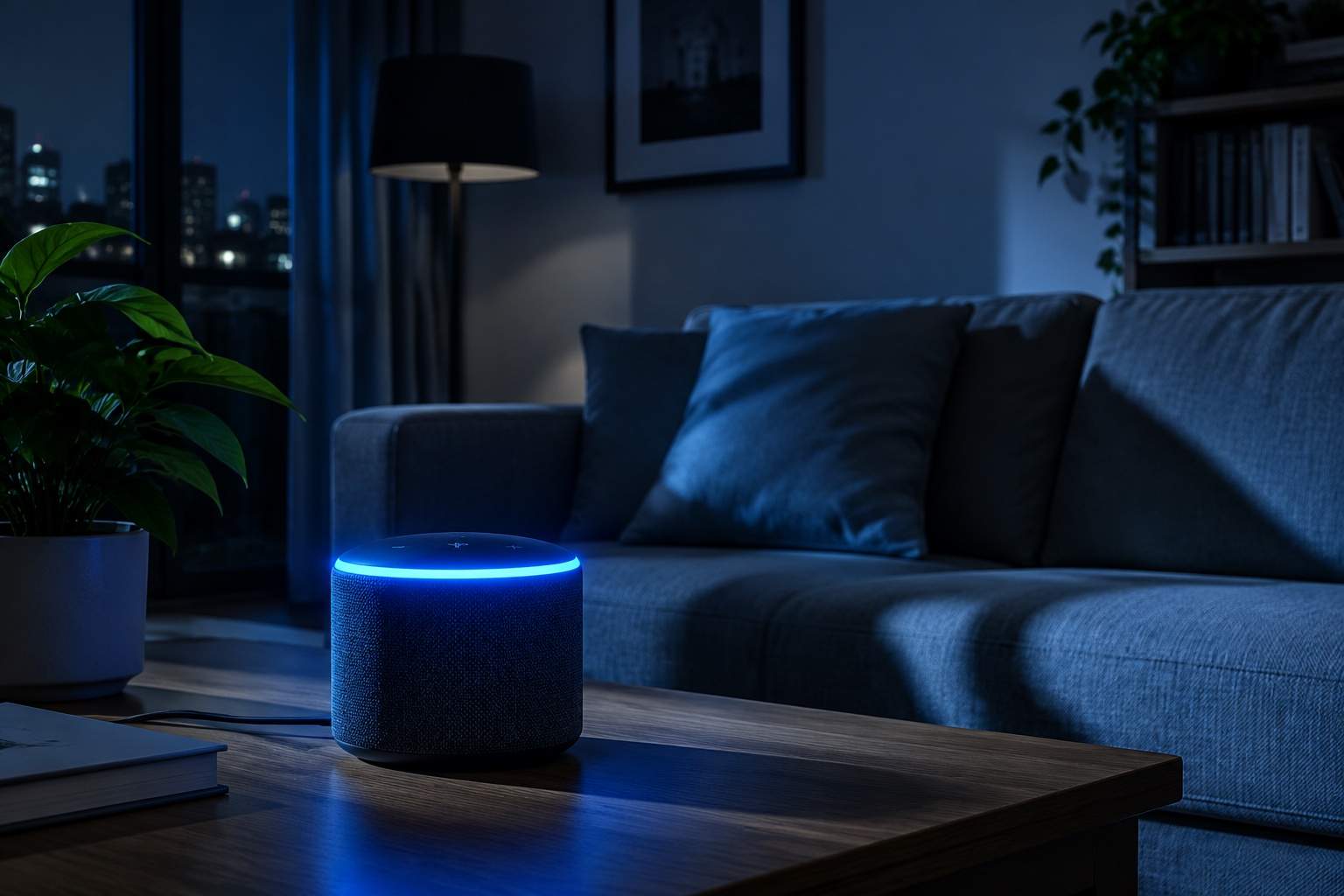
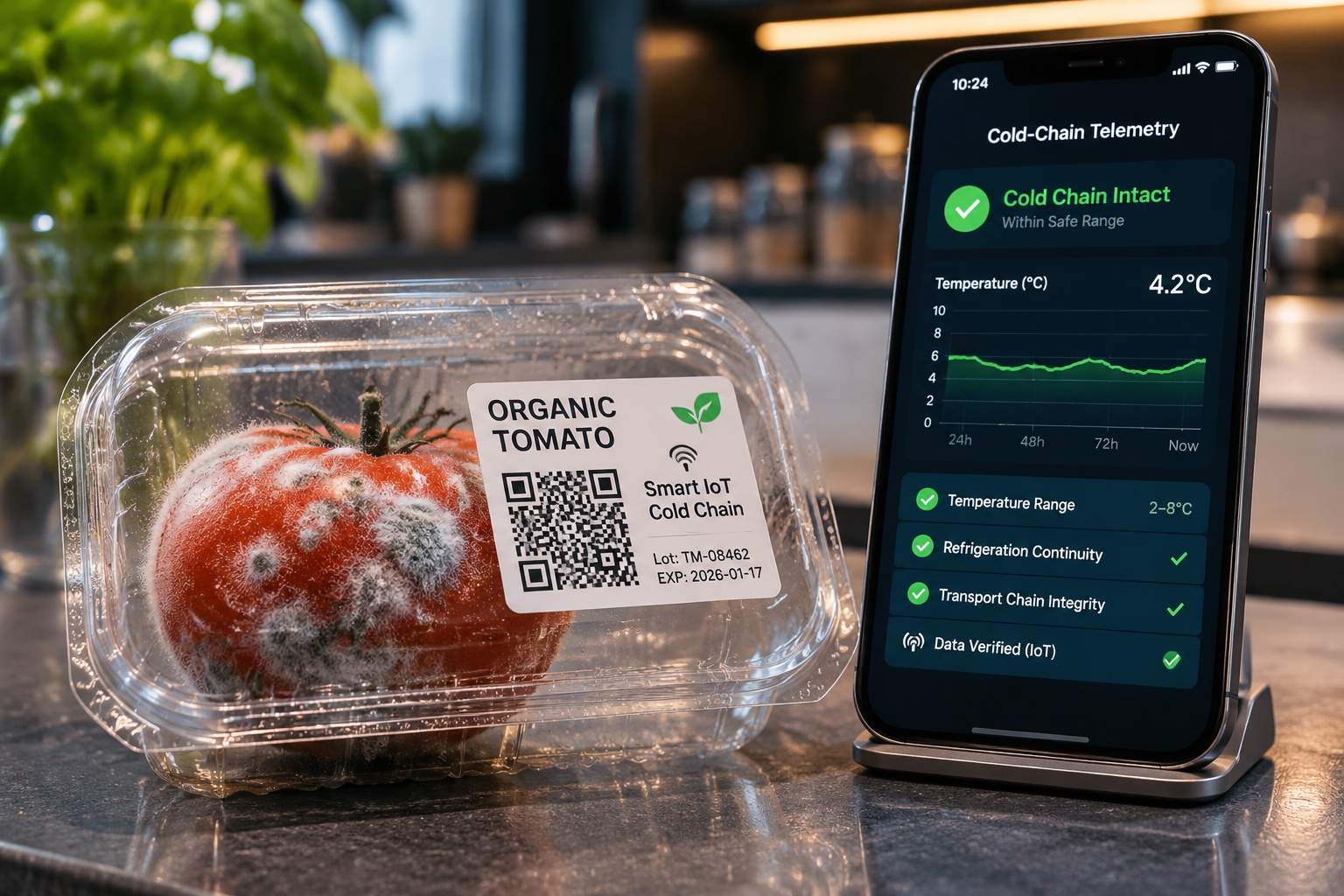
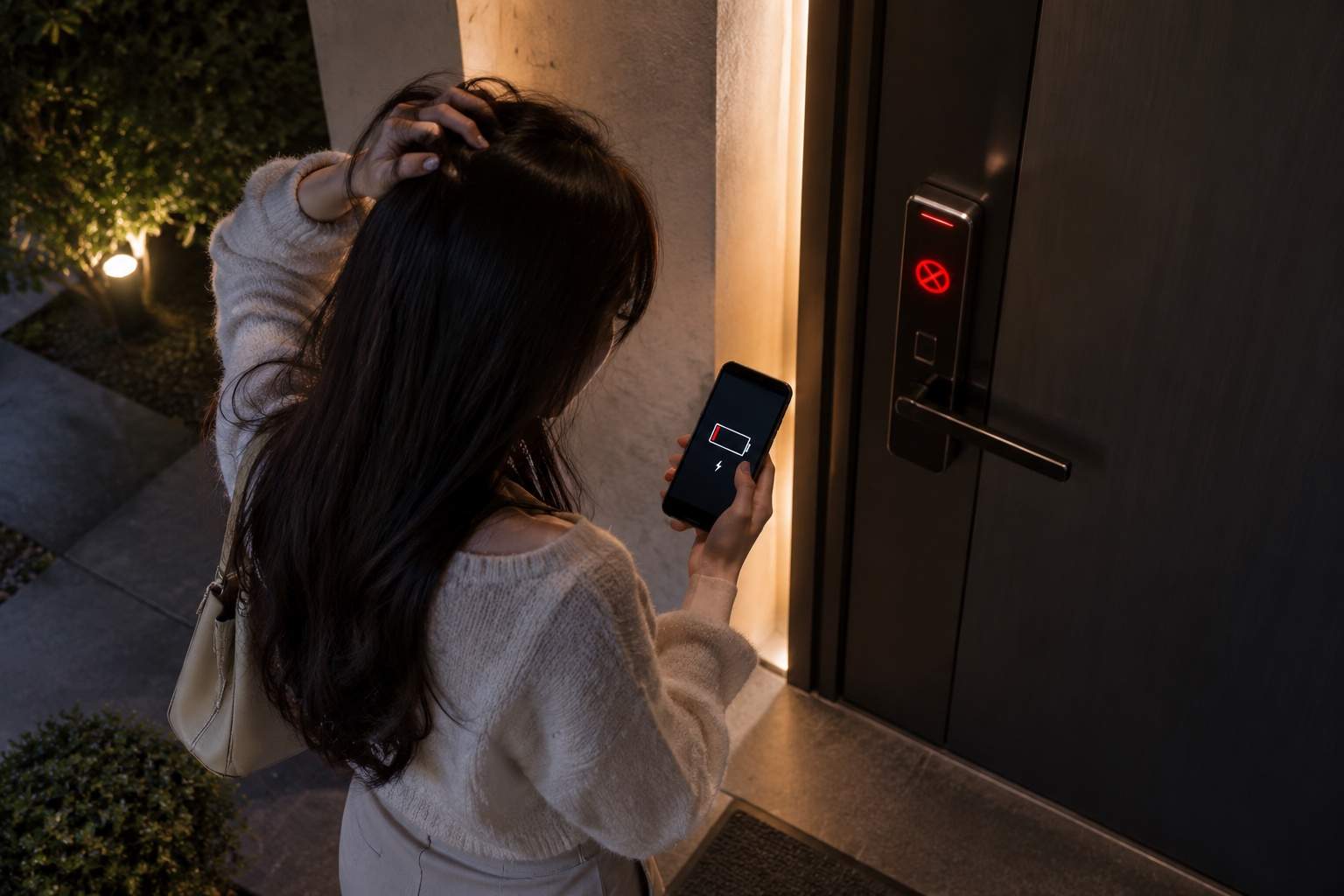
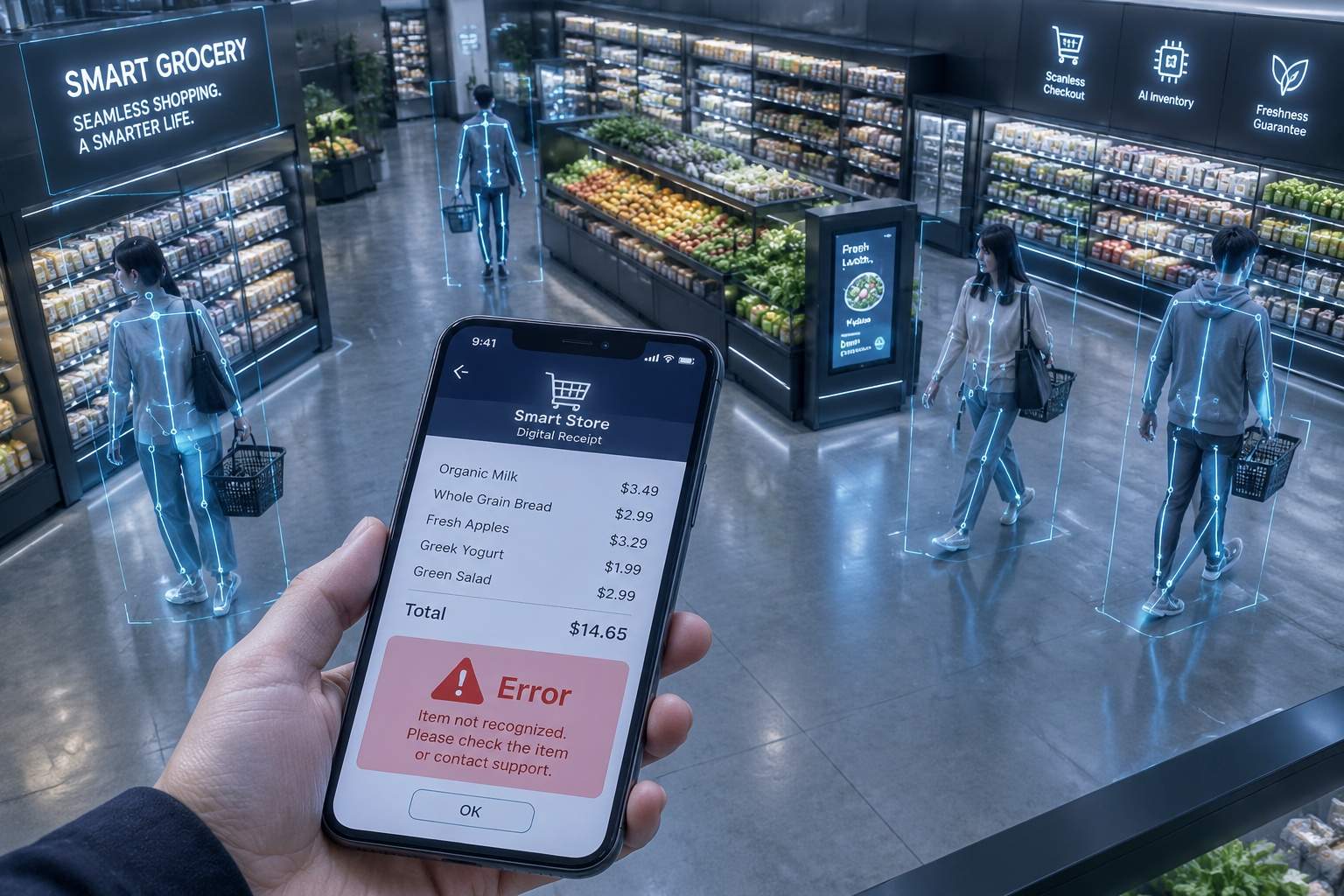
You walk through your front door after a grueling day. The lights instantly dim to your preferred evening glow. The thermostat, already aware of your impending arrival, has set the perfect temperature. Your smart speaker hums your favorite track. Later, a notification from the smart fridge: "Low on milk." A seamless, personalized welcome, a futuristic butler anticipating every need. That comfort, however, carries a silent, unseen observer.
E.g. :Flagship Upgrades: Is Your Old Gadget Still Punching Above Its Weight?
- 1、The Allure of Automation: Smart Home Convenience
- 2、Who Profits? The Smart Home Data Economy
- 3、IoT Security Gaps: A Digital Open Door
- 4、Reclaiming Your Digital Sanctuary: Practical IoT Privacy Steps
- 5、The Future of Smart Living: Privacy by Design Mandate
But how much does this digital butler truly know? Not just your milk consumption, but your routines, your family's conversations, your sleep patterns, your movements within your own walls. Where does this highly intimate data go, and who controls it? This isn't theoretical; it's the core tension defining every smart home today.
The Allure of Automation: Smart Home Convenience
The appeal is undeniable. Smart homes promise unprecedented convenience, efficiency, and a perceived increase in security. From automating mundane tasks to optimizing energy use, these interconnected devices enhance daily life. Businesses champion them as solutions for modern living, delivering comfort through sophisticated algorithms and always-on connectivity.
Your smart thermostat, for instance, learns your preferences over weeks, adjusting temperatures pre-emptively based on weather forecasts and your household's historical presence. Automated lighting sequences can simulate occupancy, adding a layer of perceived home security. The value proposition is clear: a smarter, easier life.
Beyond Comfort: The Data Harvester
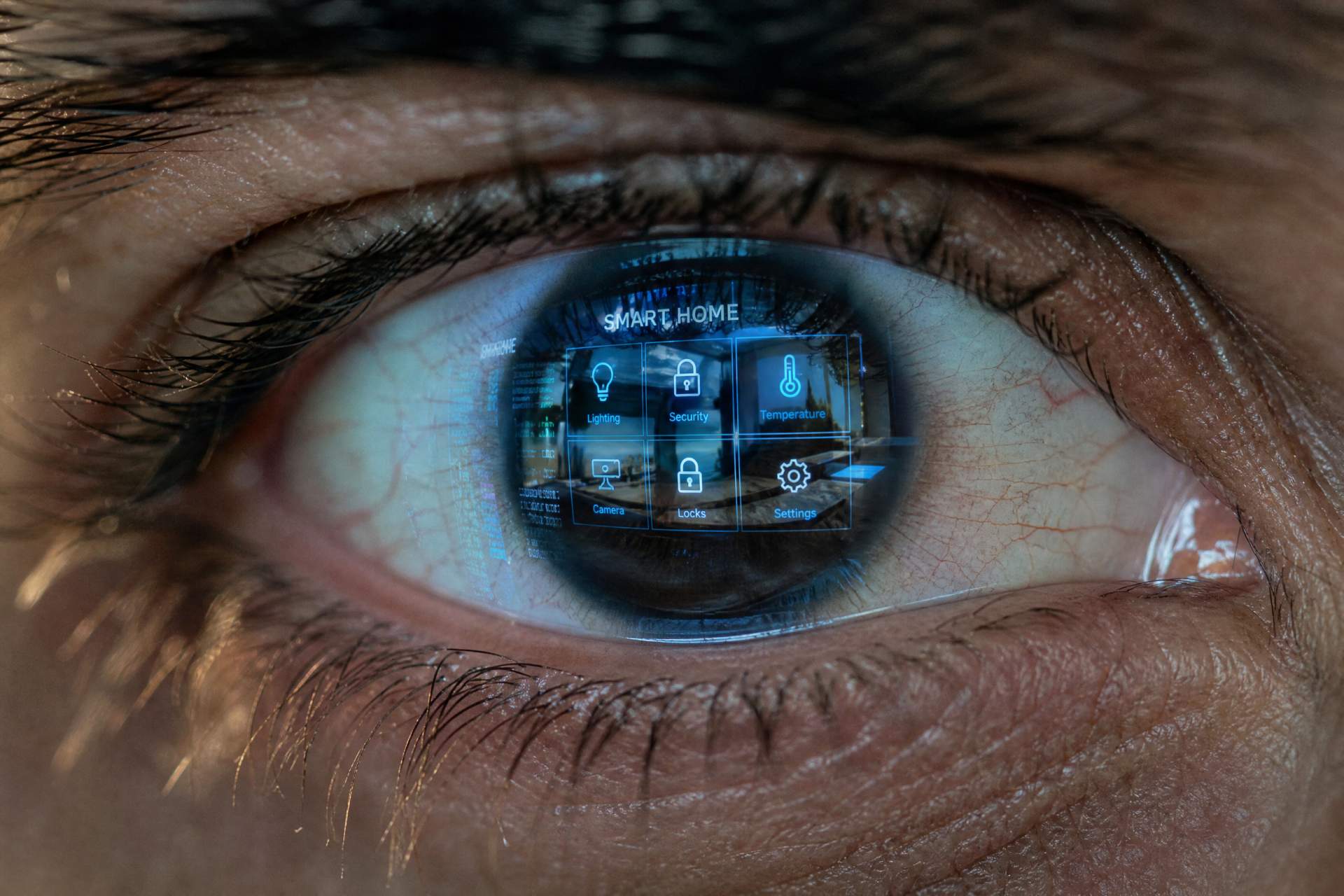
This convenience, however, isn't magic. It's powered by an intricate web of sensors, microphones, cameras, and persistent data collection. Every voice command, every motion detection, every temperature adjustment, every appliance cycle—it’s all meticulously logged, transmitted, and analyzed. Your daily life becomes a continuous data stream, feeding algorithms designed to "personalize" your experience.
Who Profits? The Smart Home Data Economy
This ocean of granular personal data isn't just for your benefit. For manufacturers and service providers, it's an invaluable asset. User behavior patterns, consumption habits, and even private conversations (captured by AI assistants) become a goldmine for product development, targeted advertising, and market intelligence. Your home, the ultimate private sanctuary, quietly transforms into a data generating hub.
The Invisible Agreements: User Consent in IoT
The practical reality of data sharing often resides in the impenetrable end-user license agreements (EULAs) and privacy policies most users never read. Default settings, frequently designed for maximum data collection, become the norm. Consent, therefore, is often a passive, uninformed click, unknowingly granting broad permissions for data use that extends far beyond direct service provision. This is not user empowerment; it's an industry-wide blind spot.
IoT Security Gaps: A Digital Open Door
Beyond data sharing, the security posture of many smart home devices remains a critical vulnerability. Weak default passwords, unpatched firmware, and insecure cloud connections are not isolated incidents; they're common industry failings. A single compromised device—a video doorbell, a smart lock, or even a child's connected toy—can become an open door, not just to a network, but to your most private spaces and sensitive information.
Consider the reality: a widely reported flaw in a popular smart camera exposed live feeds; a smart speaker's recording malfunctioned, sending private conversations to strangers. These aren't edge cases; they are stark reminders of the fragile perimeter guarding our digital homes.
Reclaiming Your Digital Sanctuary: Practical IoT Privacy Steps
Protecting your smart home privacy isn't about ditching technology; it's about informed control. Start by segmenting your network, placing IoT devices on a separate guest or VLAN network. Use strong, unique passwords for every device and account. Regularly review privacy settings for each app and device, limiting data sharing wherever possible. Disable microphones or cameras when not actively in use. Prioritize devices from manufacturers with transparent privacy policies and a track record of security updates.
The Future of Smart Living: Privacy by Design Mandate
The industry needs a fundamental shift. "Privacy by design" and "security by default" must become foundational principles, not aftermarket add-ons. Local processing of sensitive data, standardized security protocols, and clear, user-friendly privacy controls are not luxuries; they are necessities. The onus must move from user vigilance to inherent product integrity.
The convenience of a smart home is undeniable. But are we building personalized palaces or digital prisons? The answer hinges on the choices we make, and more importantly, the demands we place on those who build our connected future.