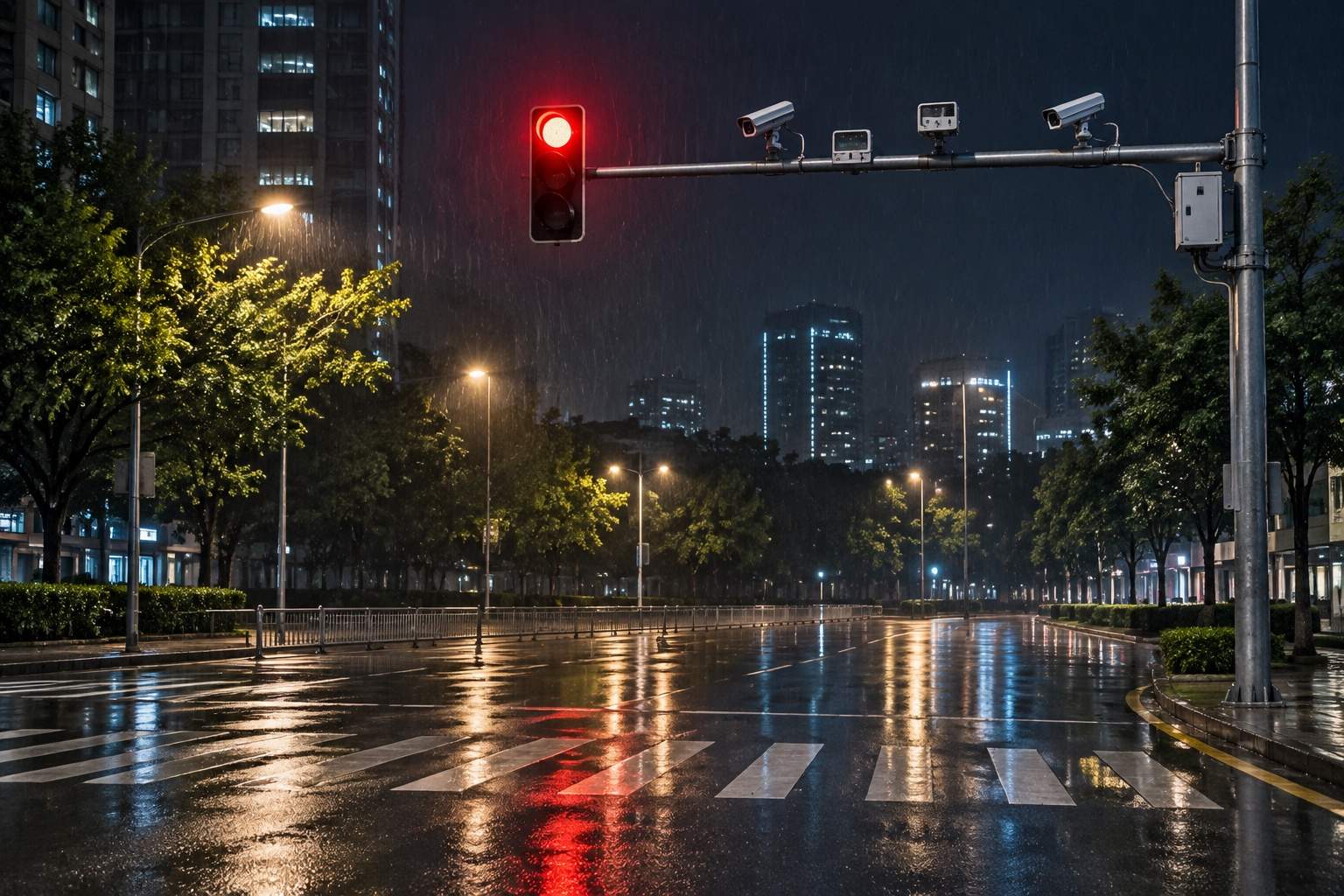
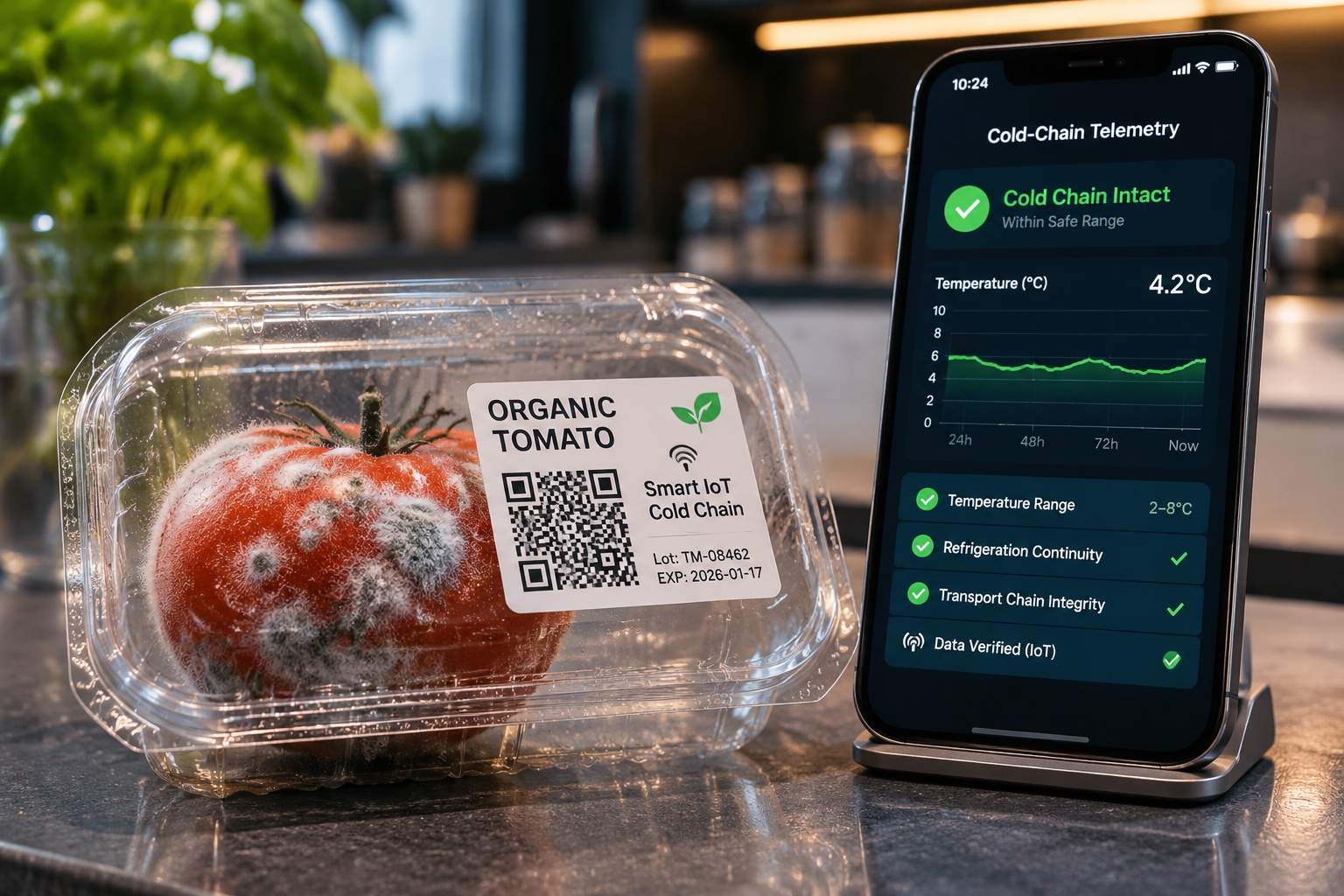
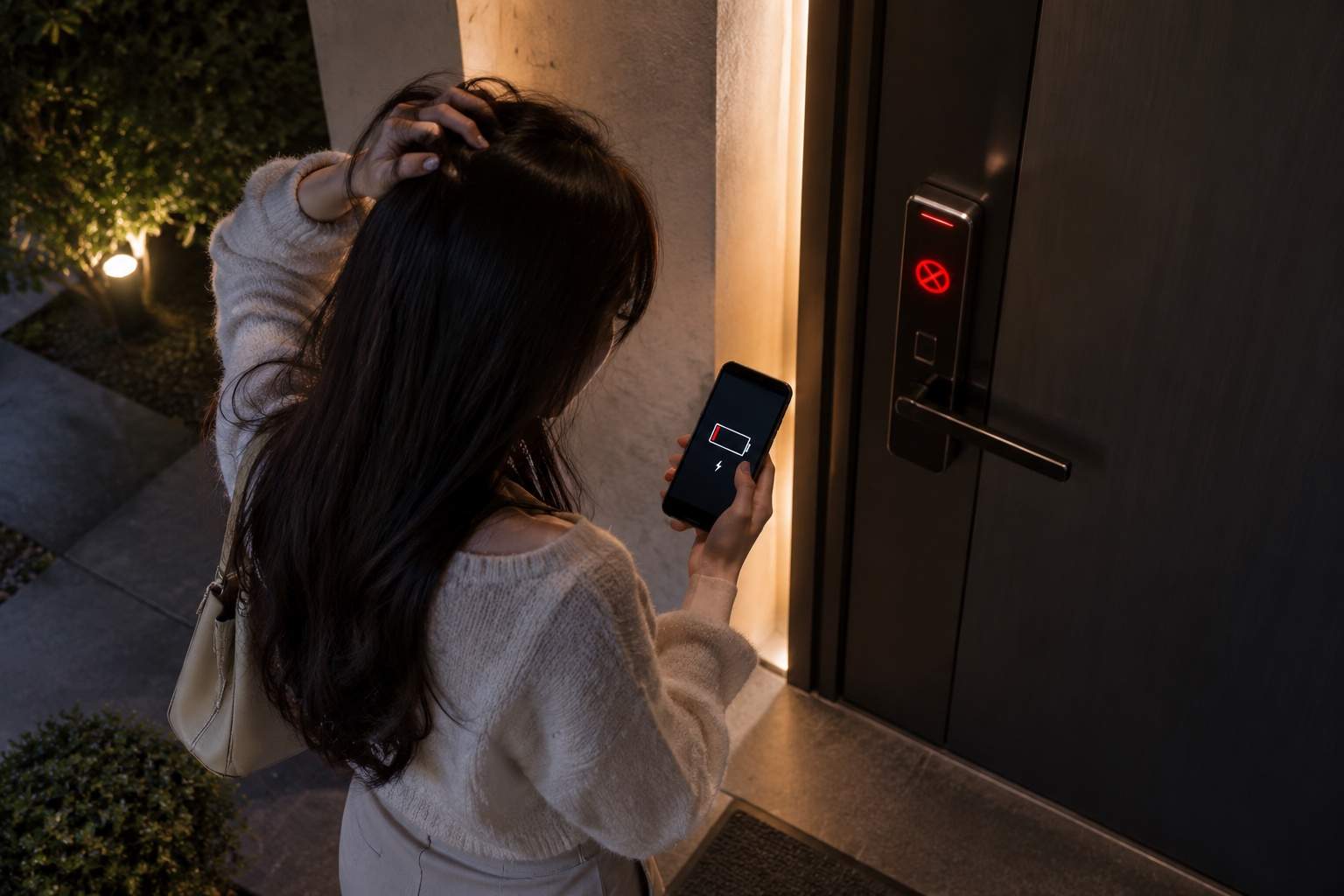
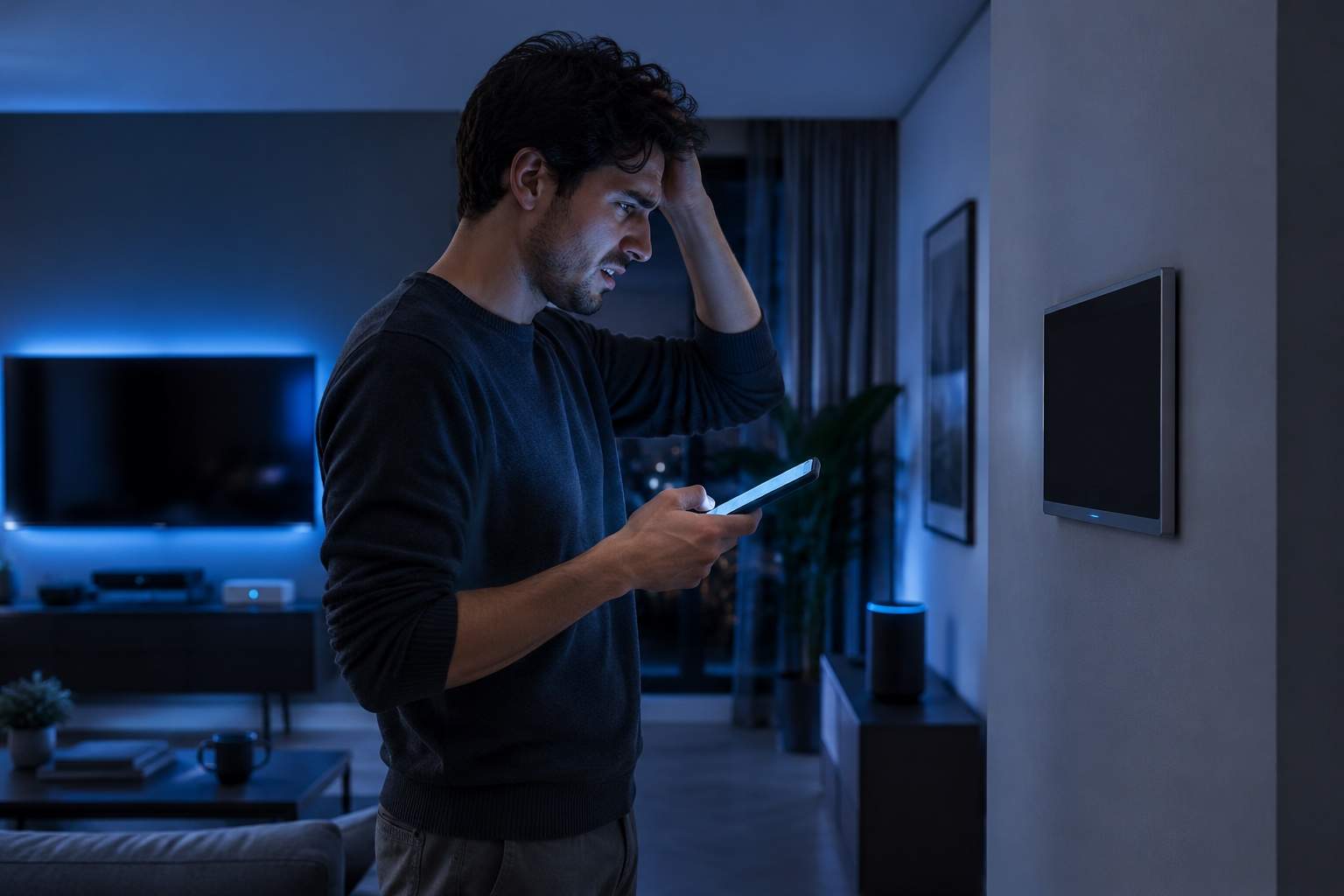
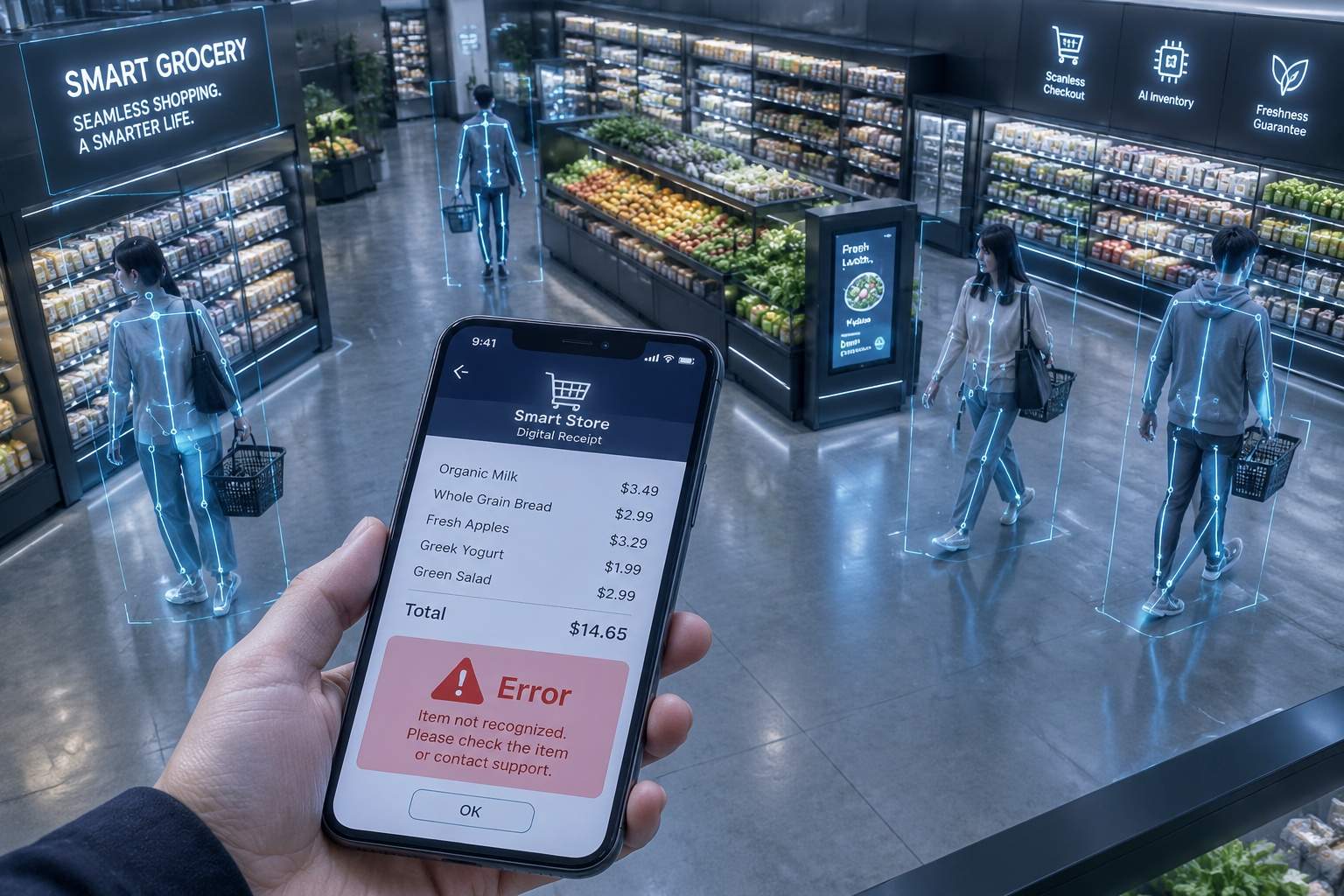
You stumble into the kitchen at 2:00 AM, dehydrated and half-asleep. Suddenly, the lights blast to full brightness, and your smart speaker blares a "late-night" jazz playlist. It’s not convenience; it’s a digital intrusion. You didn't ask for a performance—you asked for a glass of water.
E.g. :Your Car is Snitching on You: Why the Modern Dashboard is a "Digital Blackmail" Machine
- 1、When Automation Becomes an Uninvited Guest
- 2、Why Your Privacy is the Default Payment
- 3、The Illusion of Predictive Convenience
- 4、Security Gaps in Home Automation Infrastructure
- 5、Taking Back Control of Your Living Space
When Automation Becomes an Uninvited Guest
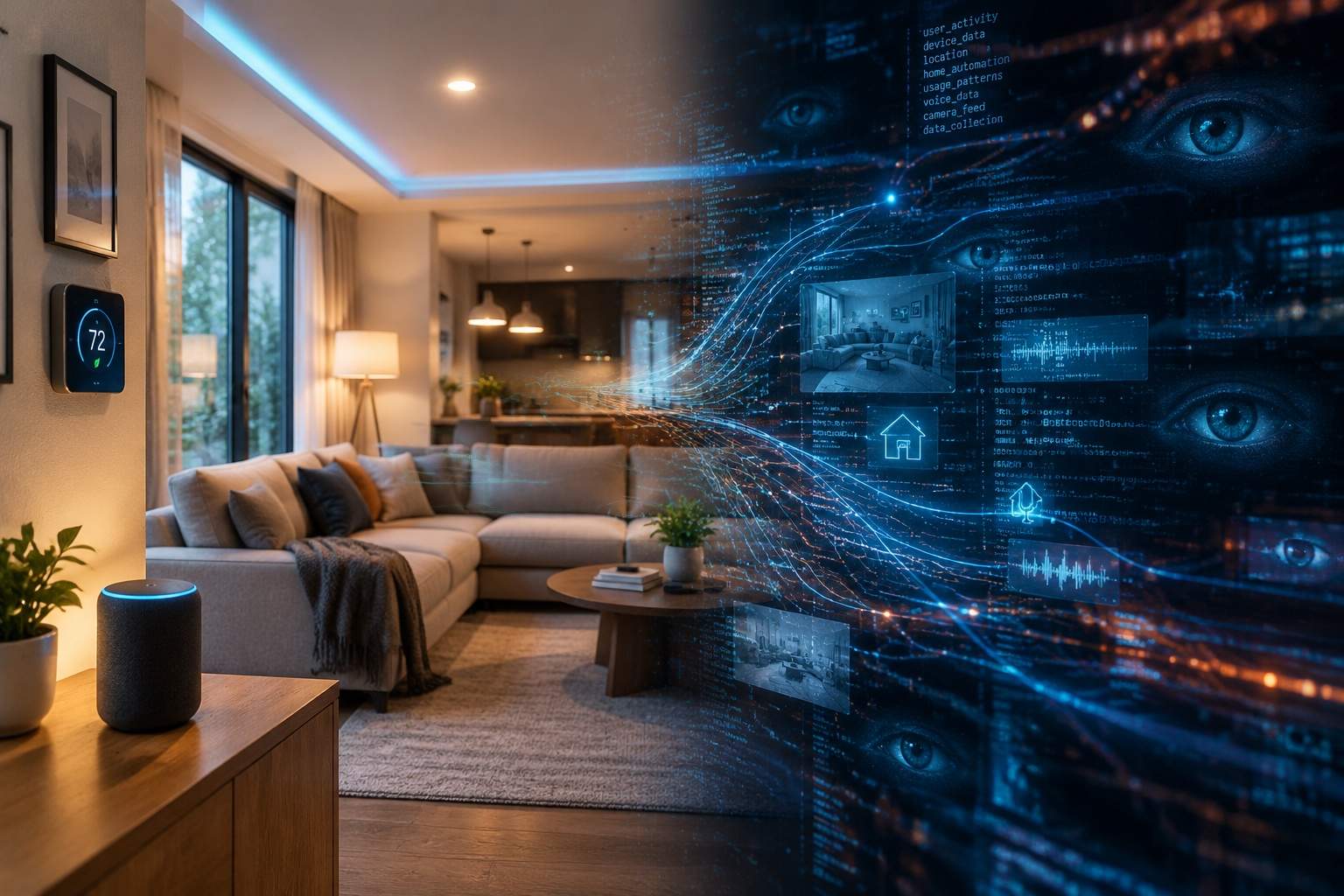
We were promised a "frictionless" life, but the reality is a barrage of false positives. IoT devices rely on predictive algorithms to guess your intent. When they fail, they don't just annoy you; they expose the fragility of your home’s security. These systems are constantly "listening" for a trigger, turning your private sanctuary into a data-collection node.
Why Your Privacy is the Default Payment
Manufacturers prioritize "active engagement" over user autonomy. Every time your system interprets your movement, it logs that data to train its models. This is the business model of the IoT era: data harvesting disguised as domestic luxury. You aren't the customer; you are the source of the training set.
The Illusion of Predictive Convenience
Understanding the Sensor-Driven Feedback Loop
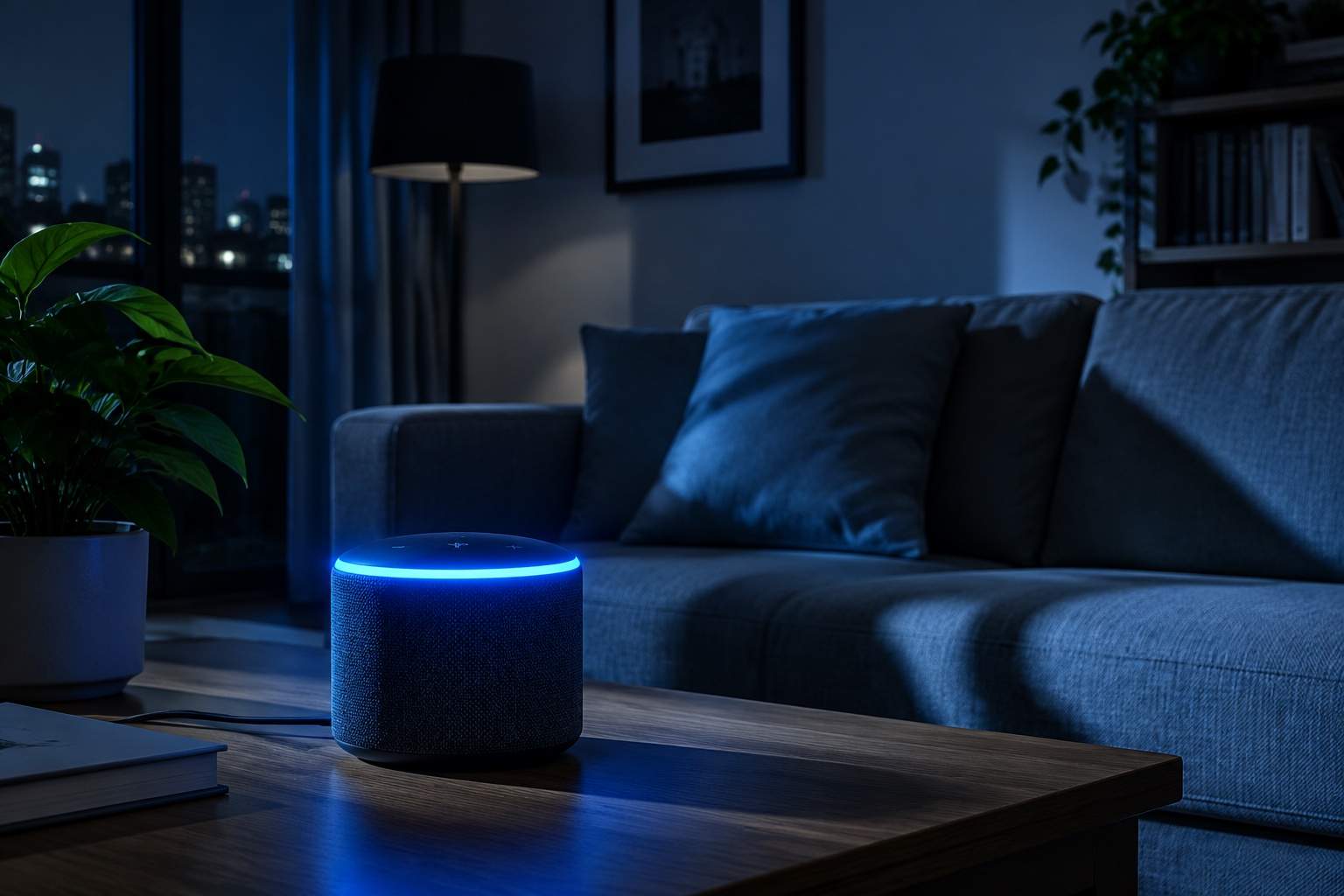
Your devices aren't intelligent; they are reactive. Sensors detect motion or sound, and the hub executes a pre-programmed script. There is no nuance. If a sensor misreads a shadow for a person, your house acts on a phantom command.
The Problem with Cloud-Based Decision Making
Most "smart" processing happens in the cloud, not on your device. Your local habits travel to a server, get processed, and bounce back. This delay isn't just a latency issue; it's a massive security vulnerability. Every round trip is an opportunity for interception.
Security Gaps in Home Automation Infrastructure
Hard-coded credentials and outdated firmware are the industry's dirty secrets. Because these devices are meant to be "plug and play," security is often an afterthought. If a hacker gains access to your "smart" lighting, they don't just see when you’re home—they see your entire behavioral pattern.
Taking Back Control of Your Living Space
Stop letting your devices decide your environment. If you want true privacy, switch to local-first smart home hubs that process data offline. Disable microphones on devices that don't need them and restrict your IoT devices to a segregated network.
Technology should serve you, not monitor your biological clock. If you have to fight your house to get a glass of water, it’s time to pull the plug on the automation.