The automotive industry has successfully pulled off one of the greatest psychological heists in tech history: they convinced us that a car is a "smartphone on wheels." We were promised that this connectivity would bring us ultimate safety and "frictionless" upgrades through the cloud. However, as a computer scientist who has audited the backend of these systems, I see a much darker architecture. Your car is no longer a tool for escape; it is a high-speed informant. The sleek glass cockpit is the interface of a "Digital Enclosure" where your driving habits, your location history, and even your physiological stress levels are being harvested to build a forensic profile that you can never delete.
E.g. :Wi-Fi 7 Puzzle: Your Premium Router Still Hides Network Dead Zones
- 1、The Pay-to-Play Chassis and the Death of Mechanical Ownership
- 2、How Your "Safety Sensors" Are Actually Actuarial Spies
- 3、The Over-the-Air Update: A Remote Kill Switch in Your Driveway
- 4、The Cybersecurity Fragility of the Connected Fleet
- 5、Reclaiming the "Bare Metal" and the Right to Disconnect
The Pay-to-Play Chassis and the Death of Mechanical Ownership
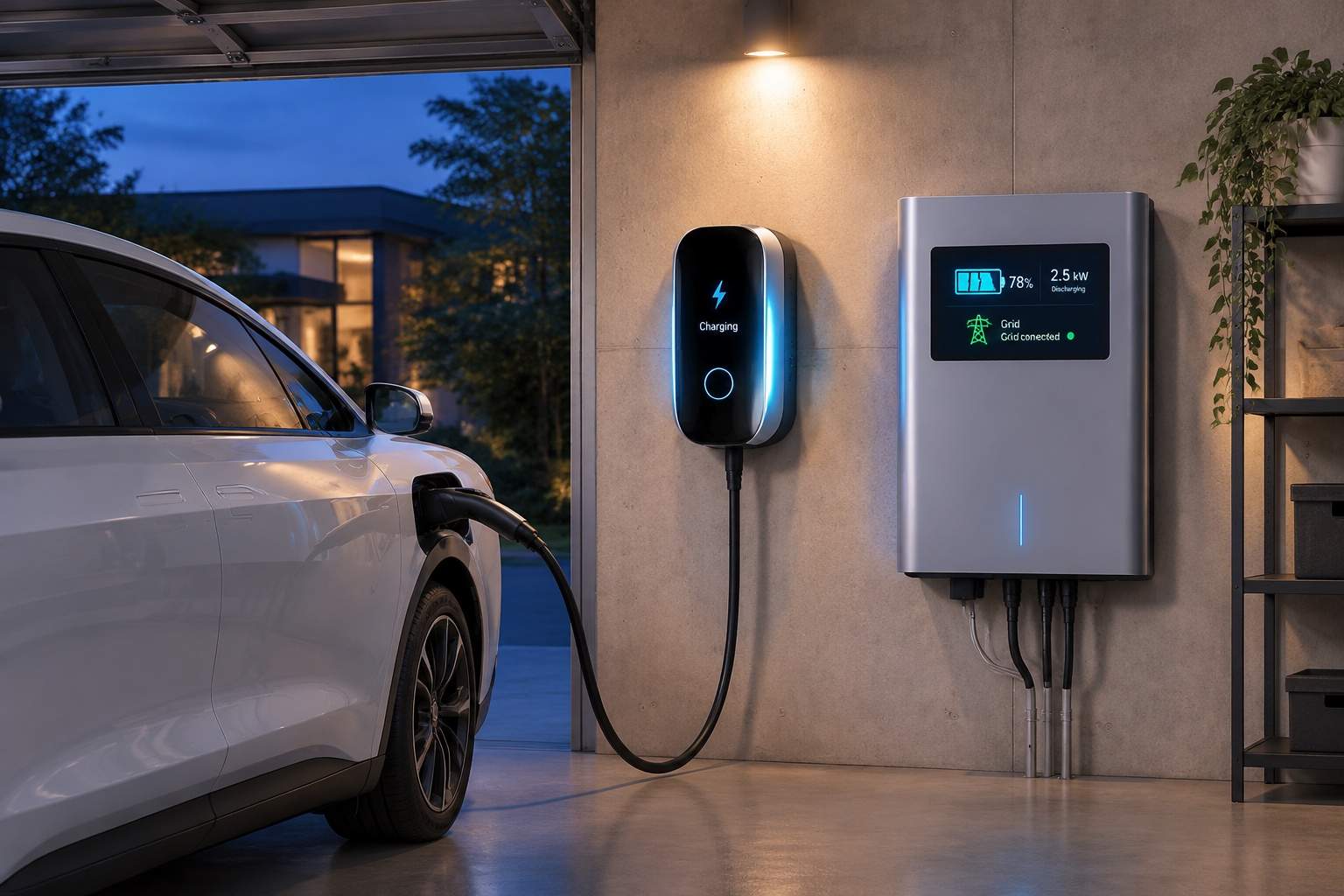
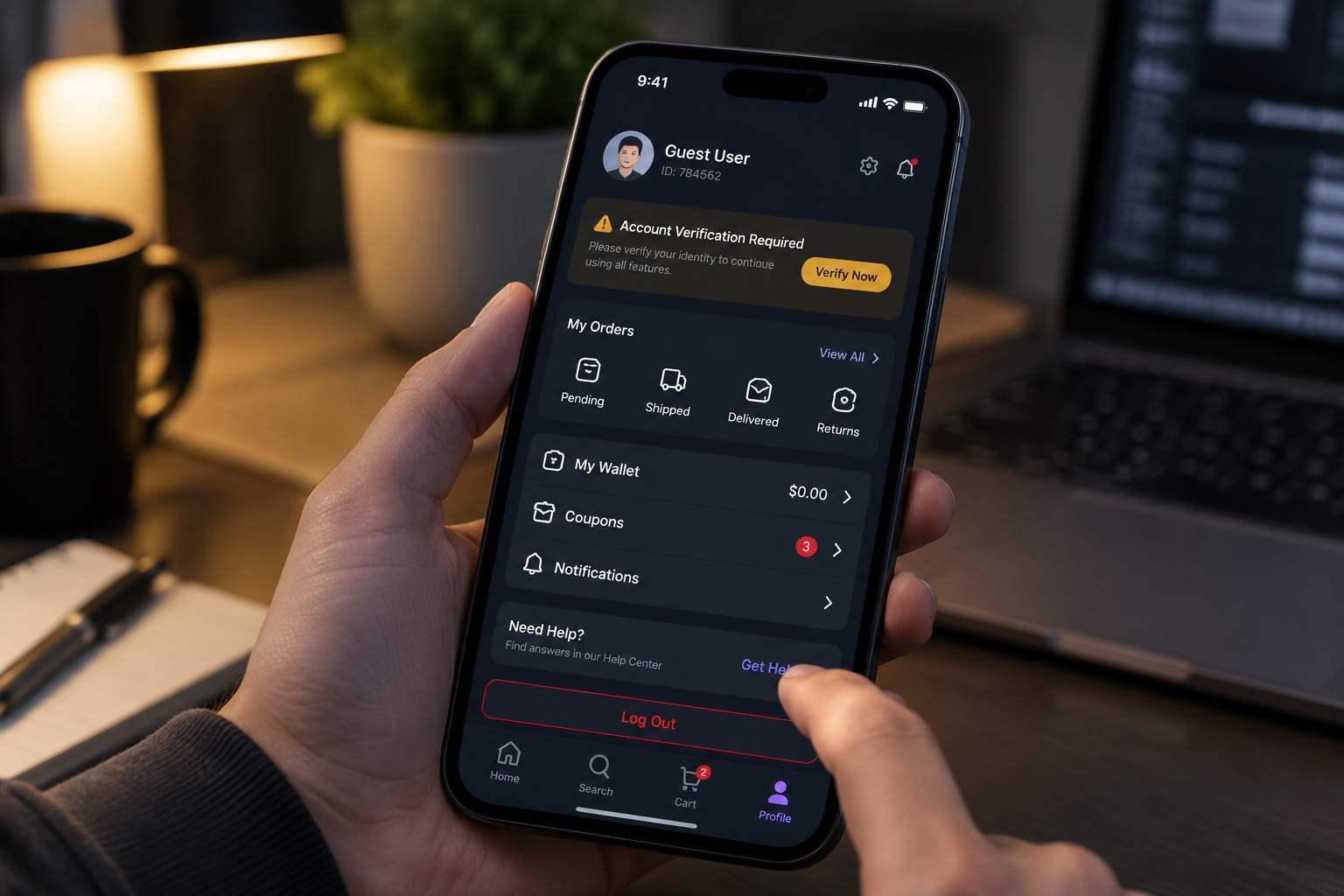
We are witnessing the transition from physical ownership to "Feature-as-a-Service" (FaaS). In a traditional vehicle, if the hardware was present, it was functional. In the era of the Software-Defined Vehicle (SDV), manufacturers are intentionally crippling the hardware you’ve already paid for. Whether it’s an extra 50 horsepower or the ability to use your heated seats in winter, these features are now gated behind software paywalls. This is a "Digital Shackle" that transforms a one-time purchase into a perpetual subscription, where the manufacturer retains the "master key" to your vehicle’s physical capabilities.
How Your "Safety Sensors" Are Actually Actuarial Spies
The Metadata of the Daily Commute
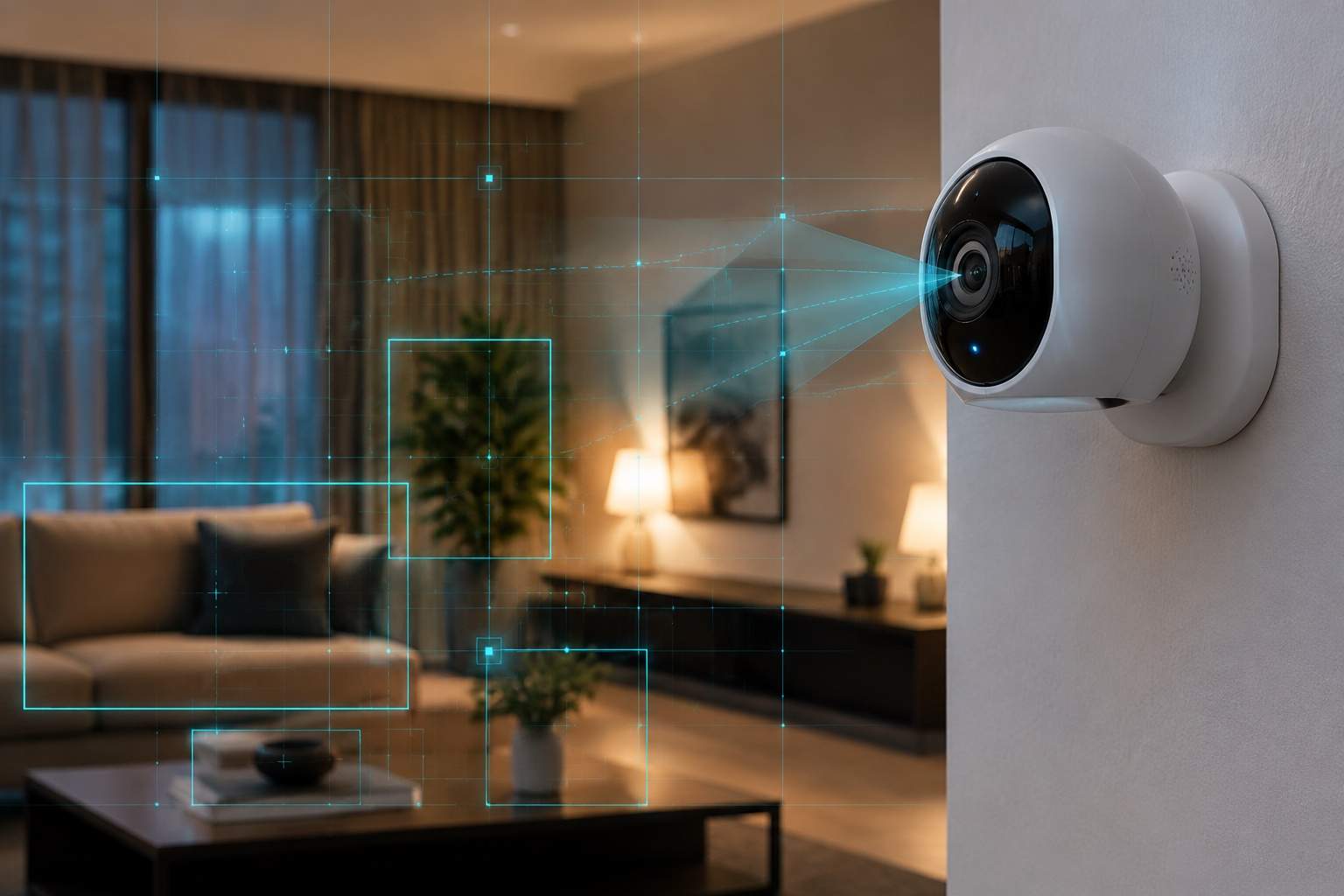
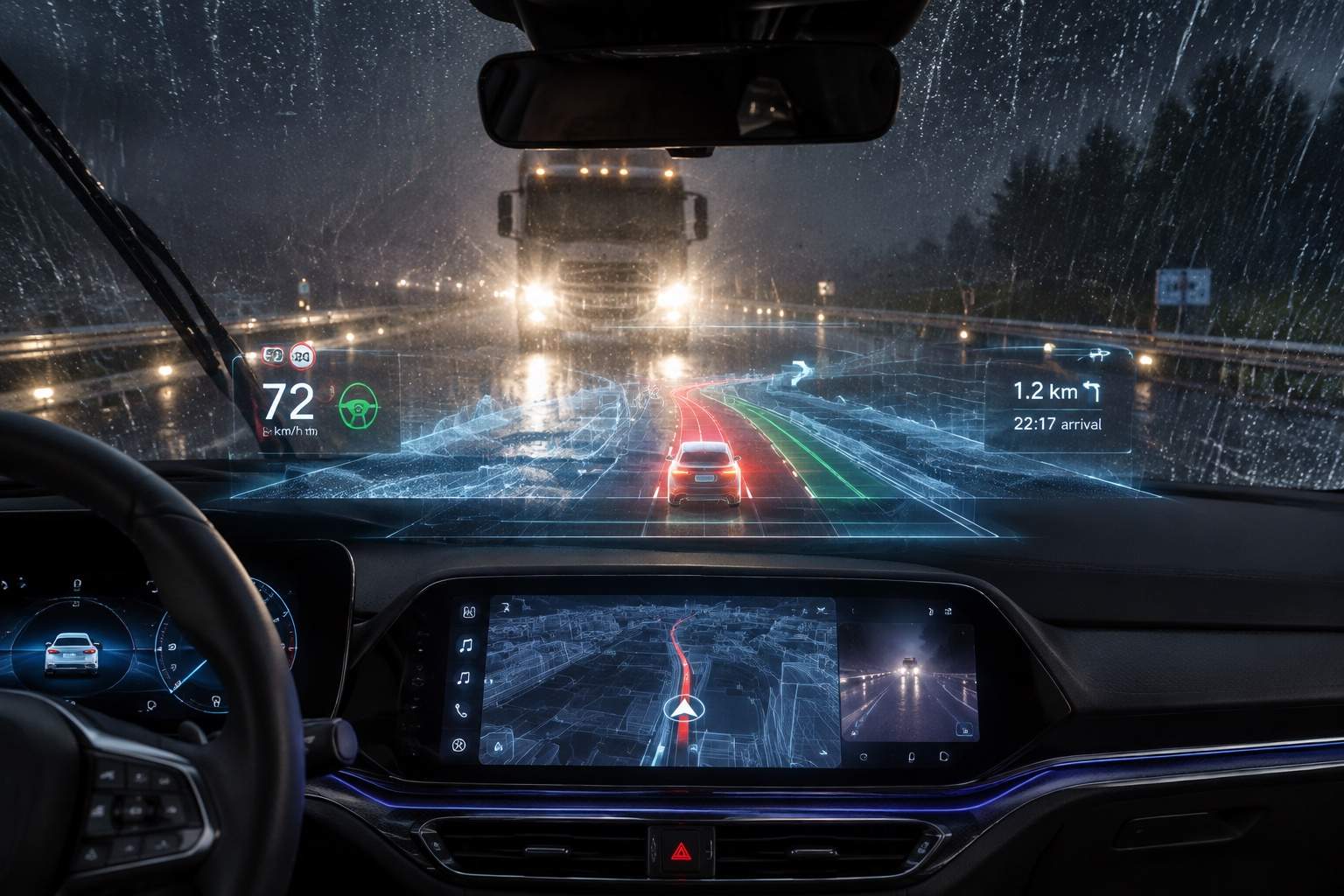
Modern vehicles are equipped with an array of cameras, ultrasonic sensors, and microphones, ostensibly for driver assistance. In reality, these sensors generate a high-fidelity data stream that is gold for the insurance industry. Every time you "hard brake" or exceed a speed limit by 5 mph, that data is indexed. This creates a profound "benefit asymmetry": you get a marginal safety alert, while the manufacturer and their insurance partners gain the leverage to hike your premiums based on a proprietary algorithm’s interpretation of your "riskiness."
The Cabin as a Surveillance Suite
Inside the car, the surveillance is even more intimate. Infotainment systems now track which podcasts you listen to, who you call, and—via inward-facing cameras—your eye movement and emotional state. This isn't for your comfort; it's for "attention mapping." By understanding what distracts or engages you, car companies can sell highly targeted "dashboard real estate" to advertisers, turning your private commute into a monetized journey where you are the captive audience.
The Over-the-Air Update: A Remote Kill Switch in Your Driveway
The industry touts Over-the-Air (OTA) updates as a convenience, but from a systems security perspective, they represent a total loss of user agency. An OTA update can fix a bug, but it can also "downgrade" your vehicle’s performance to protect the manufacturer's warranty liability—such as slowing down charging speeds to prolong battery life. This is the ultimate "Digital Enclosure": you are driving a machine that can be fundamentally altered or even disabled by a remote server, without your consent or even your knowledge.
The Cybersecurity Fragility of the Connected Fleet
The Expansion of the Urban Attack Surface
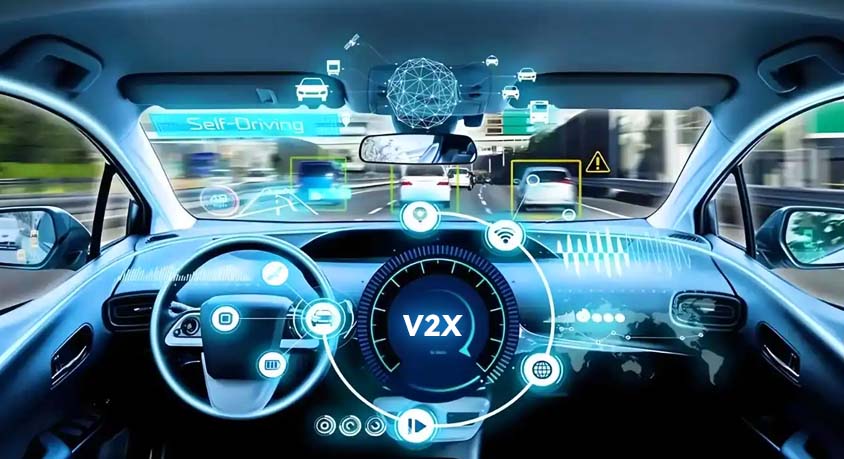
As cars become nodes on a global network (V2X), we are introducing systemic vulnerabilities that the mechanical age never faced. A "Zero-Day" exploit in a manufacturer’s central server is no longer just a data breach; it is a physical threat. If a malicious actor gains access to the fleet management layer, they don't just steal your credit card—they could theoretically interfere with the steering or braking systems of thousands of vehicles simultaneously. We are trading the localized risk of a mechanical breakdown for the catastrophic risk of a network-wide collapse.
The Illusion of "Anonymized" Movement
Manufacturers often claim that the location data they collect is anonymized. As a technologist, I can tell you that "anonymized" location data is a myth. By cross-referencing where a car starts its day and where it ends, it takes less than three days of data to identify a specific individual with 95% accuracy. Your car isn't just moving you through space; it is broadcasting your identity to a vast ecosystem of third-party data brokers.
Reclaiming the "Bare Metal" and the Right to Disconnect
The redemption of transportation technology lies in the "Right to Disconnect." We must demand that vehicles remain fully functional in an "offline" mode, ensuring that basic mobility is never dependent on a cloud subscription or a data-harvesting agreement. True innovation should empower the driver with transparency—giving them the encryption keys to their own vehicle's data and the ability to say "no" to the digital shackle.
The future of the car should be defined by the freedom of the road, not the thickness of the data pipe. If we continue to accept the "Smart" label without questioning the surveillance it hides, we are not driving toward progress—we are just paying for the privilege of being followed.