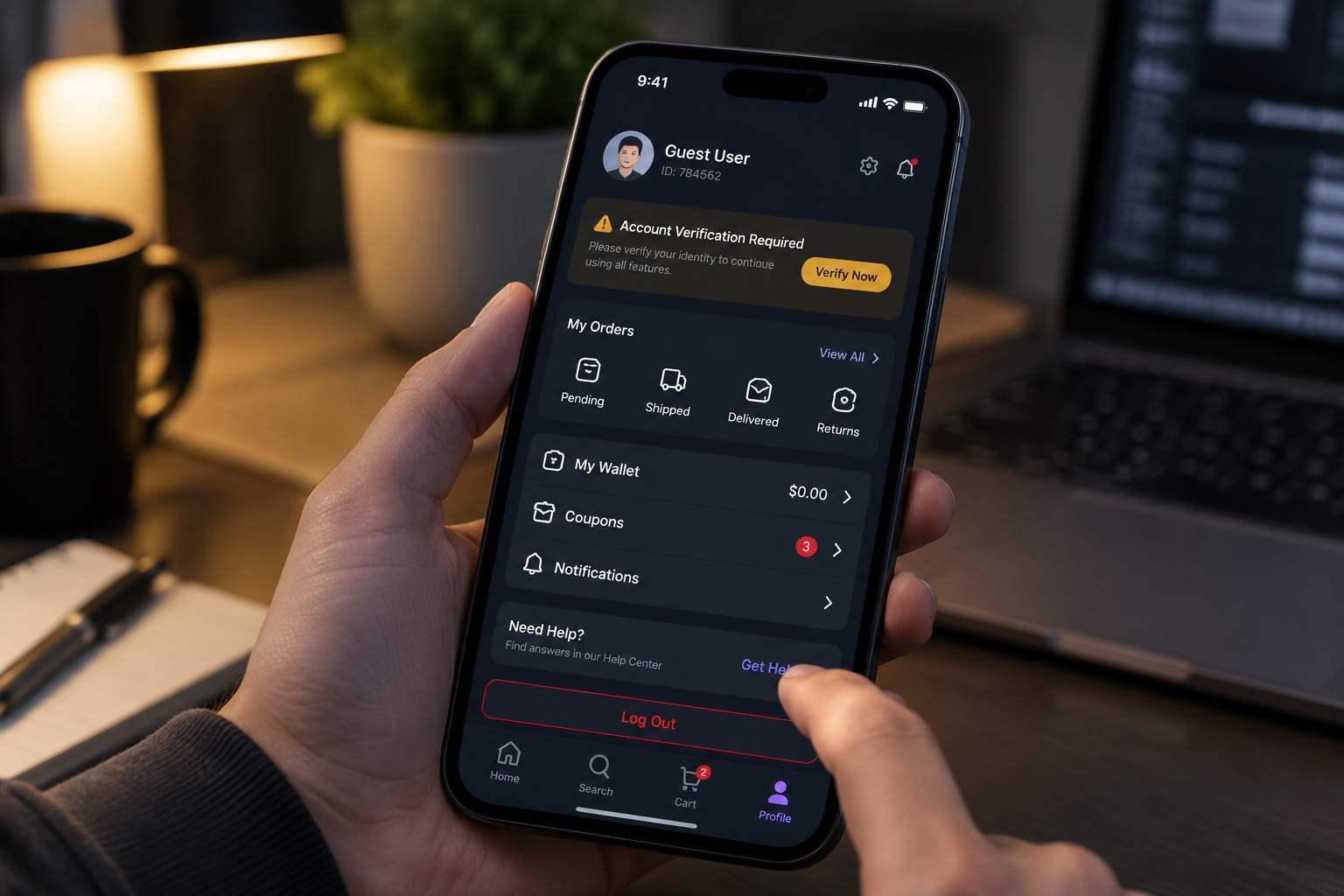
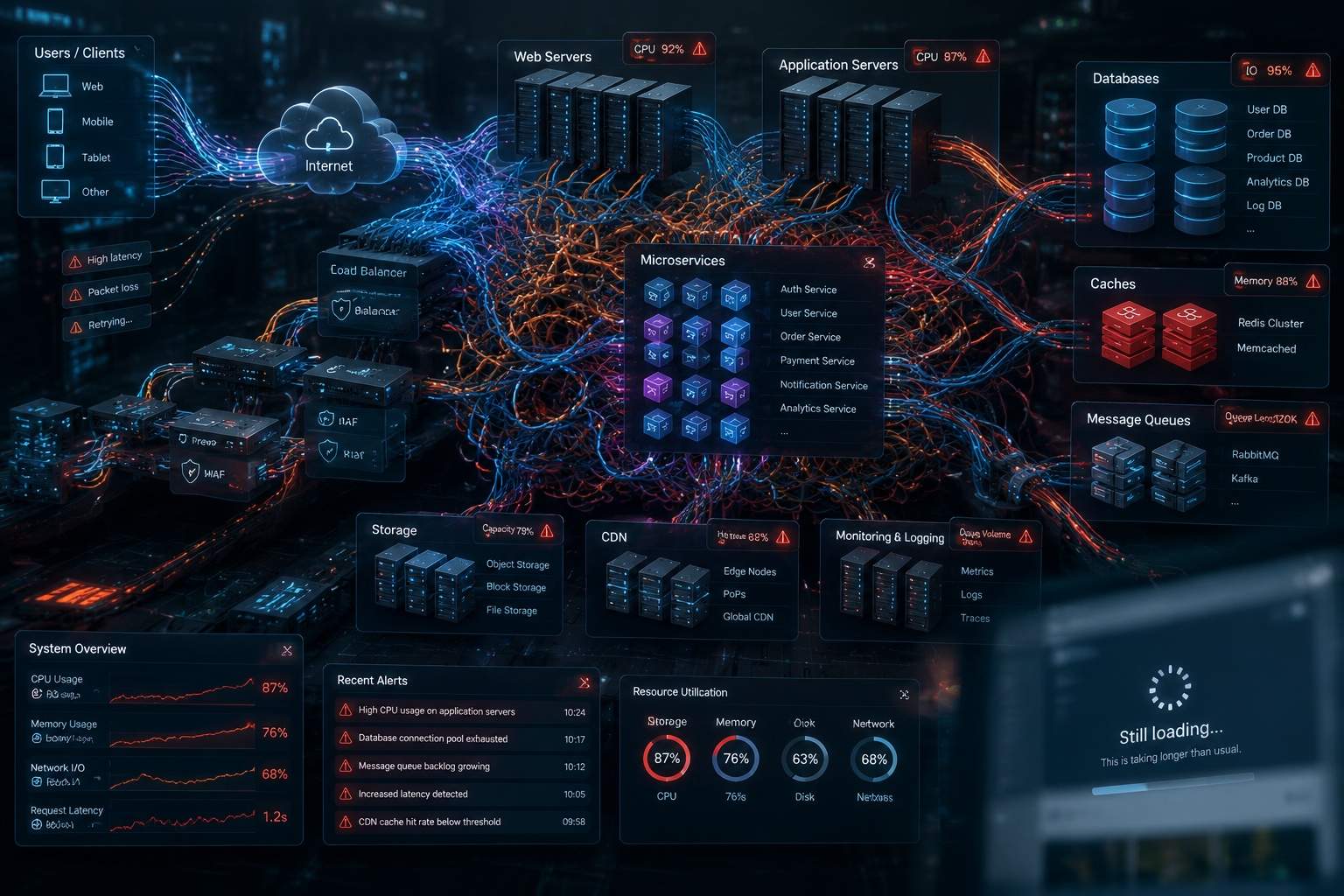
Imagine opening your premium cloud storage account to rewatch a uncompressed 4K video from a family milestone captured six years ago, only to be met with an endless buffering icon and a surprisingly degraded 720p preview. When attempting to fetch the pristine raw file, a pop-up interface politely informs you that your media resides in an archive state, requiring either a multi-hour retrieval window or an additional speed-pass transaction to unfreeze immediately. You have paid your monthly subscription fee without interruption for years, operating under the reasonable assumption that a paid digital vault guarantees instant, untouched access to your lifelong memories.
E.g. :Smart Refrigerators Can Track Your Food, But Do They Reduce Waste?
- 1、Cloud Storage Reality and the Vanishing Illusion of Permanent Memory
- 2、The Architecture of Cold Data Tiering and Storage Lifecycle Management
- 3、How Storage Multi-Tenancy Shifts Infrastructure Costs to Users
- 4、The Psychological Trap of SaaS Subscriptions and Loss of Digital Ownership
- 5、Rethinking Data Sovereignty Through Local Hardware Architecture
This frustrating delay is not an unexpected network glitch or a temporary server outage, but the intentional outcome of modern cloud architecture optimized for enterprise operational margins. Public cloud vendors routinely deploy automated lifecycle rules that silently migrate low-frequency user files off high-speed flash arrays and down into ultra-dense, high-latency cold storage media. While this engineering tactic cuts data center energy and hardware expenditures dramatically, it quietly degrades your user experience and strips away instant access to your personal records.
Cloud Storage Reality and the Vanishing Illusion of Permanent Memory
The prevailing marketing narrative surrounding consumer cloud services promises absolute safety, unlimited scalability, and complete liberation from local hardware failure. What these subscription platforms rarely disclose is that paying a recurring monthly fee grants you temporary access to a remote service tier rather than actual physical ownership of storage infrastructure.
In traditional local storage, a sector on a hard drive remains entirely dedicated to hosting your specific bits at full original fidelity whenever you demand them. In a centralized cloud environment, software-defined infrastructure treats every stored byte as a dynamic operational liability that must be continuously optimized to protect corporate bottom lines.

The Architecture of Cold Data Tiering and Storage Lifecycle Management
At the technical core of modern cloud infrastructure lies hierarchical storage management, a framework designed to categorize data dynamically based on access frequency and system costs. Storage engineering splits digital assets into hot, warm, and cold tiers depending on how frequently those specific files are requested by client applications.
Algorithmic Demotion of Personal Archives
Lifecycle management algorithms constantly monitor user access patterns across massive distributed file systems. When a photo album or video archive sits untouched for sixty or ninety days, the storage controller automatically flags those objects as cold data and transfers them off high-performance NVMe solid-state drives.
The target media for cold data consists of high-density magnetic tape libraries or Shingled Magnetic Recording hard drives operating in low-power states. This transition drops the platform operational cost per gigabyte by over seventy percent, yet consumer subscription rates remain completely static.
The Financial Mechanics of Data Deduplication
To maximize efficiency across finite server racks, cloud platforms rely heavily on inline data deduplication algorithms operating at the block level. If thousands of subscribers upload identical software installers, popular music tracks, or public image files, the storage controller retains only a single master copy on fast media while creating virtual pointer references for every individual account.
When uploaded files are entirely unique, such as personal high-resolution family media, deduplication routines yield zero space savings for the cloud vendor. Consequently, unique personal files become prime targets for aggressive cold-tier demotion, because holding non-deduplicable bytes on hot flash storage directly reduces platform profitability.
How Storage Multi-Tenancy Shifts Infrastructure Costs to Users
Multi-tenant cloud architecture is engineered to pool physical hardware resources among millions of concurrent subscribers without dedicated server assignment. To prevent large individual media archives from consuming expensive interconnect bandwidth, platforms apply strict quality-of-service parameters and background egress throttling on legacy data assets.
When a user requests an original uncompressed file from a deep archive tier, the system must spend computational cycles and internal network capacity to rehydrate the archived object back into active RAM. To minimize these operational cost spikes, cloud platforms introduce deliberate friction such as retrieval delay timers or secondary microtransactions disguised as expedited transfer passes.
The Psychological Trap of SaaS Subscriptions and Loss of Digital Ownership
The industry shift from perpetual hardware ownership to Software-as-a-Service model creates a significant structural asymmetry in digital property rights. Users incur an infinite recurring financial obligation while gradually losing direct authority over file integrity, original bitrates, and retrieval speeds.
This dynamic transforms personal memories into leverage, where the platform holds original raw quality behind dynamic service paywalls. If a subscriber chooses to cancel their subscription, transferring terabytes of demoted archives out of the platform ecosystem often incurs steep egress bandwidth friction or tedious manual download processes.
Rethinking Data Sovereignty Through Local Hardware Architecture
Reclaiming true control over personal data requires a deliberate return to personal infrastructure that operates free from algorithmic cost-cutting. Local hybrid storage setups, combining redundancy-enabled network attached storage with offline encrypted backups, restore deterministic reading speeds and uncompressed file preservation.
By taking direct custody of personal records, users eliminate perpetual subscription taxes while insulating their personal history from corporate storage degradation strategies. True data security is not defined by remote marketing promises, but by direct physical control over the underlying memory media.
Relying exclusively on subscription cloud services creates a fragile illusion of ownership while quietly surrendering data control to profit-driven algorithms. Understanding the mechanics of storage tiering allows users to make informed decisions about where their permanent records truly belong. Transitioning critical archives to owned local hardware remains the most reliable strategy to preserve personal memories without compromise.