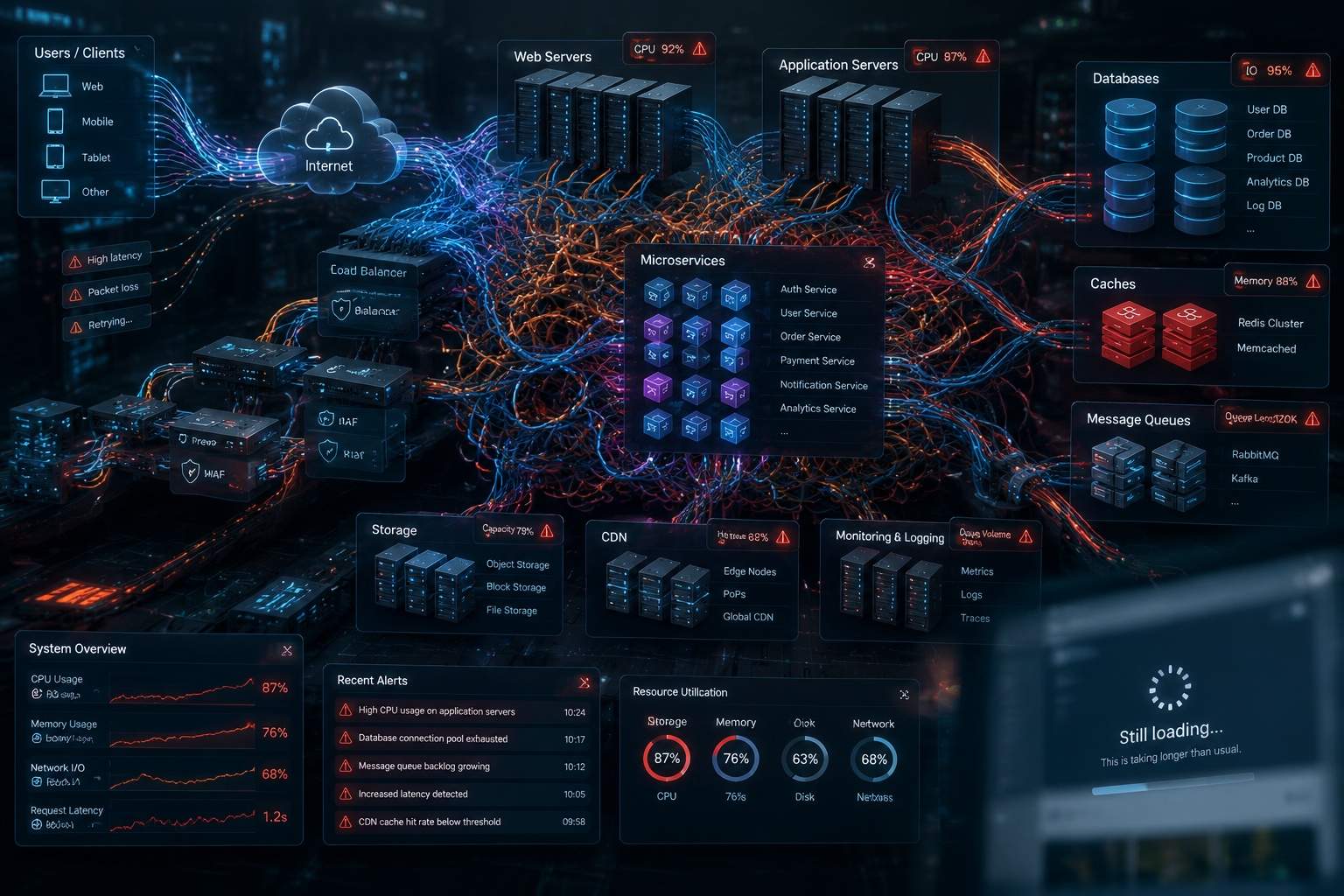
A single tap on your smartphone screen, authenticated effortlessly by biometric facial recognition, initiates a new paid membership in less than two seconds. Months later, when you decide to terminate that same service, the seamless digital landscape suddenly transforms into a complex obstacle course of confirmation dialogues, hidden navigation menus, and emotionally manipulative survey prompts. This striking imbalance is not an accidental design flaw, but rather a deliberate architectural strategy deployed across the software industry to extract financial value from human psychological vulnerabilities.
E.g. :Why your expensive multi antenna mesh system creates more dead zones than it solves
- 1、The Asymmetry of Frictionless UX in Modern Software Architecture
- 2、Dark Patterns and the Psychological Manipulation of Cognitive Load
- 3、The Economic Calculus of Customer Lifetime Value and Digital Retention
- 4、Micro-interactions and the Engineering of Intentional User Fatigue
- 5、Reclaiming Digital Autonomy Against Algorithmic Behavioral Manipulation
Modern product management frequently promotes frictionless design as the ultimate manifestation of user empathy and technical elegance. However, an objective examination of modern subscription software reveals a deep structural paradox: friction has not been eliminated from software design, but has instead been selectively redistributed to benefit corporate balance sheets over consumer intent.
The Asymmetry of Frictionless UX in Modern Software Architecture
In ideal human-computer interaction theory, reducing system latency and cognitive resistance empowers users to achieve their goals with maximum efficiency. When an interface streamlines an action, it minimizes the mental processing power required to convert human intention into computational execution.
In commercial practice, engineering teams calibrate this removal of resistance with extreme asymmetry depending on the monetary outcome of the interaction. Transactions that generate recurring revenue are stripped of all confirmation hurdles, while actions that reduce subscriber count are systematically padded with synthetic operational delays.
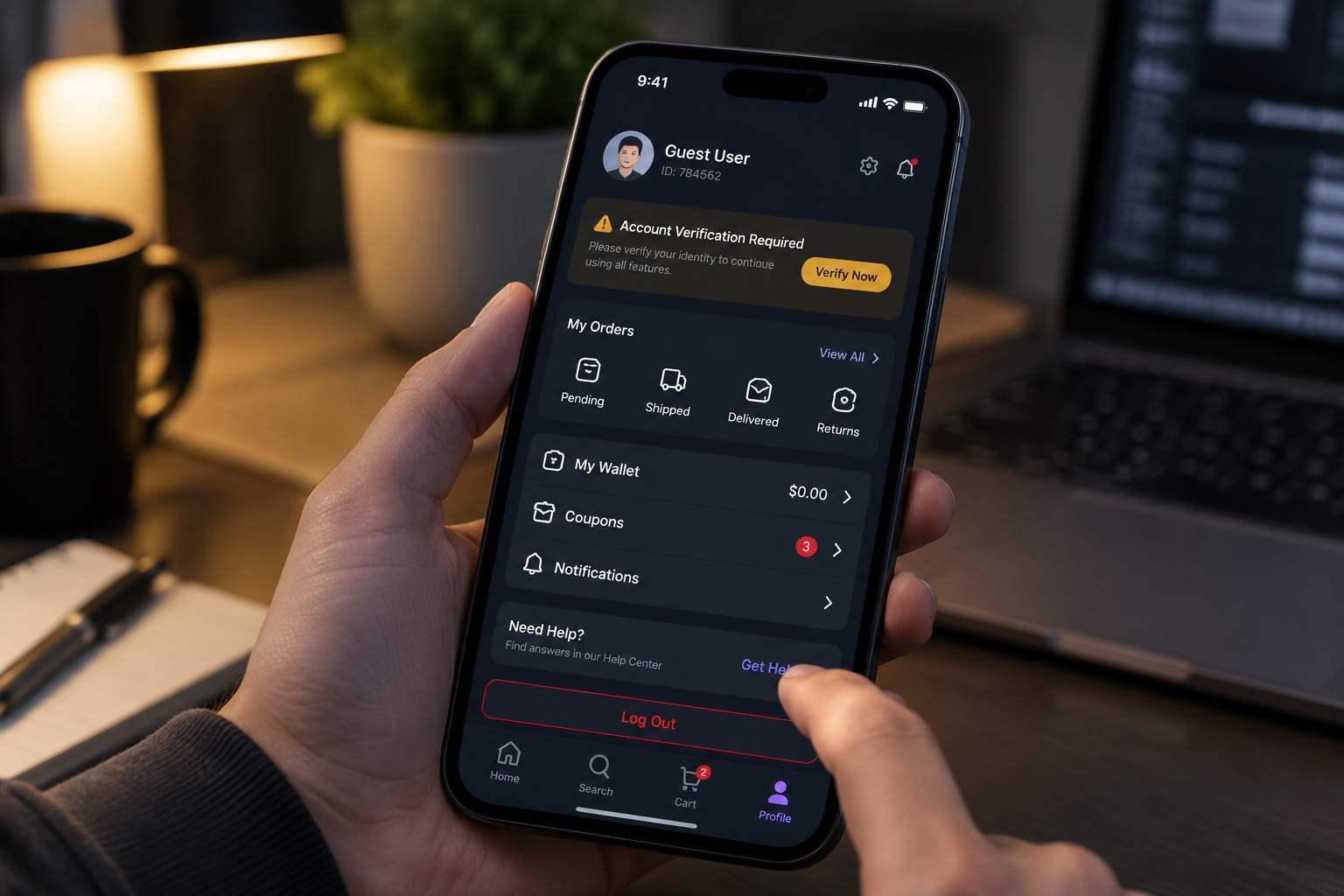
This intentional disparity creates an artificial behavioral funnel where entering a financial commitment requires zero conscious deliberation, while exiting that same commitment demands sustained cognitive effort. The resulting dynamic transforms everyday software from a neutral utility into an active financial trap.
Dark Patterns and the Psychological Manipulation of Cognitive Load
The mechanical execution of this selective friction relies heavily on interface techniques known within computer science as dark patterns. These design structures purposefully exploit human visual processing habits and behavioral biases to subvert genuine user intent.
When a user attempts to cancel a digital service, the interface deliberately inflates cognitive load by disrupting established visual hierarchies. System designers deploy low-contrast typography, misleading visual cues, and deceptive button styling to trick the brain into making choices that contradict its original goal.
The Mechanical Anatomy of the Retention Flow Trap
A classic example of this manipulation occurs within the multi-stage retention flow implemented by major subscription platforms. The cancellation pathway frequently forces users through a gauntlet of secondary confirmation screens, each presenting options styled with conflicting visual weights.
A primary call-to-action button colored in vibrant hues often reads Keep Membership, while the option to proceed with cancellation is rendered as a plain text link in faint gray, nine-point font embedded inside a dense block of legal text. This tactic leverages visual processing shortcuts, driving users to click the prominent button out of cognitive exhaustion.
The Economic Calculus of Customer Lifetime Value and Digital Retention
The financial motivation behind these manipulative designs is directly tied to key software metrics, specifically customer acquisition cost and lifetime value. Retaining an existing subscriber by imposing technical friction is dramatically cheaper for a business than acquiring a replacement user through traditional marketing channels.
Empirical research validates the prevalence of these coercive design strategies across the consumer technology ecosystem. A landmark study conducted by researchers at Princeton University analyzed over eleven thousand shopping websites and revealed that dark patterns were present on more than eleven percent of the sampled platforms, with subscription services showing particularly high rates of interface manipulation.
Regulatory investigations have further documented how top-tier technology corporations systematically engineer cancellation flows to lower churn rates. The Federal Trade Commission filed an enforcement action against Amazon in 2023, highlighting an internal corporate process historically dubbed the Iliad flow, which intentionally forced consumers through a convoluted multi-step process to cancel their Prime memberships.
Micro-interactions and the Engineering of Intentional User Fatigue
At the atomic level of user interface design, micro-interactions serve as the subtle feedback mechanisms that guide human behavior during software navigation. While micro-interactions were originally conceived to provide tactile confirmation of user input, they are now frequently weaponized to induce decision fatigue.
By introducing mandatory feedback surveys, multi-page value reminders, and ambiguous exit confirmation prompts, software systems exhaust the user's finite mental bandwidth. Faced with escalating friction, many consumers surrender to computational attrition and abandon the cancellation attempt altogether.
This engineered exhaustion transforms passive software usage into a persistent financial tax on consumer attention. The system relies on the reality that for a busy individual, the immediate cognitive cost of fighting the interface feels higher than the small recurring charge on their credit card statement.
Software Redesign Trends and the Future of Consumer Regulatory Protection
As public awareness of deceptive software interfaces grows, regulatory agencies worldwide are stepping in to mandate structural parity in user experience design. Legal frameworks like the European Union Digital Services Act and the updated Federal Trade Commission Click-to-Cancel rules are establishing strict standards for digital autonomy.
These emerging mandates enforce a simple technical principle: terminating a recurring financial commitment must require no more steps or cognitive effort than initiating it. Forward-thinking software engineers are beginning to adopt ethical design frameworks that prioritize transparent system feedback and respect user intent across all computational pathways.
Reclaiming Digital Autonomy Against Algorithmic Behavioral Manipulation
Overcoming predatory software architecture requires both institutional regulatory enforcement and heightened personal awareness of interface psychology. Recognizing that software resistance is an intentional commercial tactic rather than a personal technical mistake allows users to navigate digital spaces with greater critical scrutiny.
The ultimate purpose of software design should be to amplify human agency, not to trick the human brain into subsidizing corporate balance sheets. As consumers demand higher ethical standards from digital products, the technology industry must confront the reality that true user empathy cannot coexist with manipulative retention tactics.
The friction free promise of modern tech interfaces remains an illusion whenever seamless design is reserved exclusively for spending money. True digital empathy requires software systems to respect user choices equally at every stage of the interaction, whether confirming a purchase or walking away. Restoring control to consumers begins by demanding that canceling a service is just as effortless as signing up.