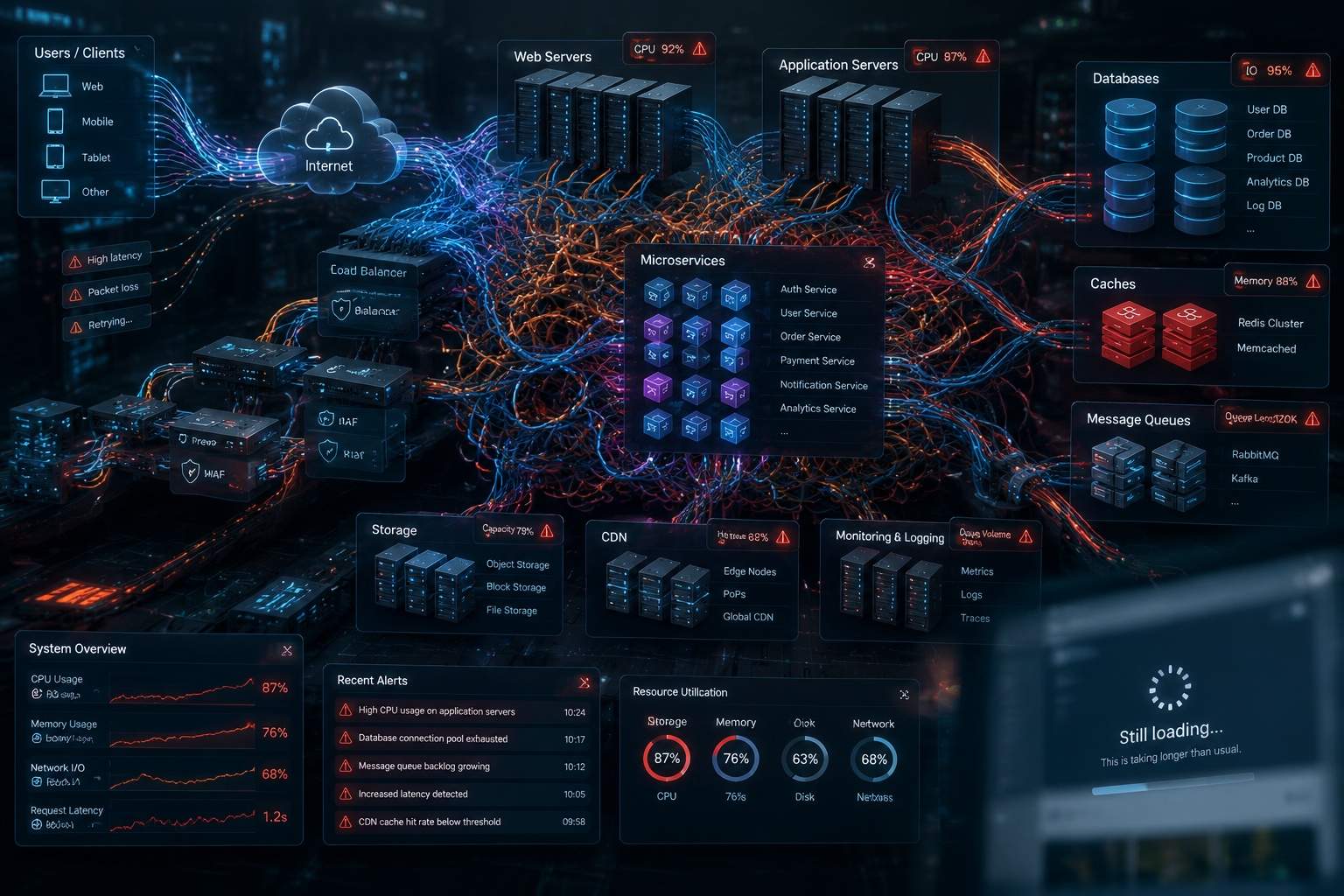
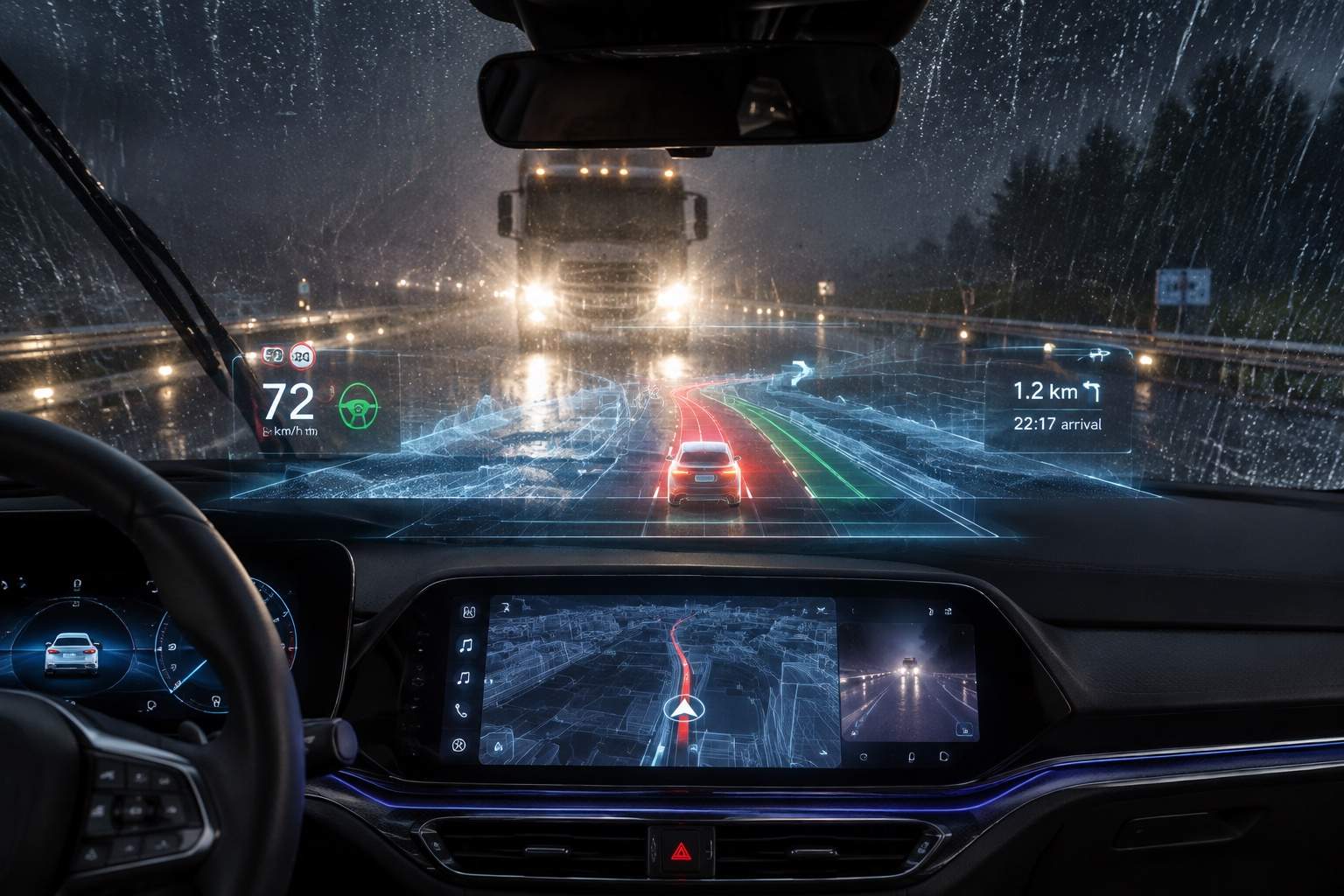
Imagine you are cruising through a torrential downpour, shielded by the sophisticated sensors of your luxury Level 3 pilot system. Suddenly, a cargo truck ahead loses its load, scattering heavy debris across your path. In the blink of an eye, your car doesn't just brake; it performs a complex trajectory calculation. While you expect the system to prioritize your life at any cost, the hidden "Ethics Logic" may be running a different script: one where swerving into a low-cost hatchback is computationally preferable to totaling your premium vehicle against a concrete barrier.
E.g. :Your Car is Snitching on You: Why the Modern Dashboard is a "Digital Blackmail" Machine
- 1、The Moral Machine in Your Dashboard: Navigating the Liability of Autonomous Driving
- 2、Edge Computing Latency and the Millisecond Shift from Protection to Mitigation
- 3、Neural Network Interpretability: Cracking the Black Box of Emergency Maneuvers
- 4、L4 Redundancy and the Illusion of Absolute Safety in High-Stakes Environments
- 5、Decoding the Digital Shackle: When Your Vehicle Becomes an Insurance Agent
This is the "cognitive gap" of the modern automotive era: consumers believe they are purchasing a guardian, but they are often operating a high-speed risk-management terminal. The transition from human-driven to AI-piloted vehicles is not merely a shift in hardware, but a fundamental migration of moral agency into a black box where safety is weighed against insurance premiums and corporate liability.
The Moral Machine in Your Dashboard: Navigating the Liability of Autonomous Driving
The automotive industry has long championed the narrative that AI eliminates human error, yet it rarely discusses the "Algorithmic Triage" that replaces it. When an autonomous system faces an unavoidable collision, it must choose between multiple "bad" outcomes, a process governed by pre-programmed weights that the driver never sees.
In these split-second scenarios, the neural networks are not pondering the sanctity of life; they are optimizing for the lowest "Total Liability Payout." If the system identifies that a specific maneuver results in a predictable legal settlement rather than an unpredictable catastrophic loss, the algorithm will lean toward the predictable, effectively turning your steering wheel into a financial instrument.
Edge Computing Latency and the Millisecond Shift from Protection to Mitigation
The speed at which these decisions occur is facilitated by edge computing, where data is processed locally on the vehicle’s hardware to minimize latency. While this speed is essential for avoiding high-speed collisions, it also means the "ethical" decision is made in a vacuum, often without the nuance a human driver might apply to avoid vulnerable road users.
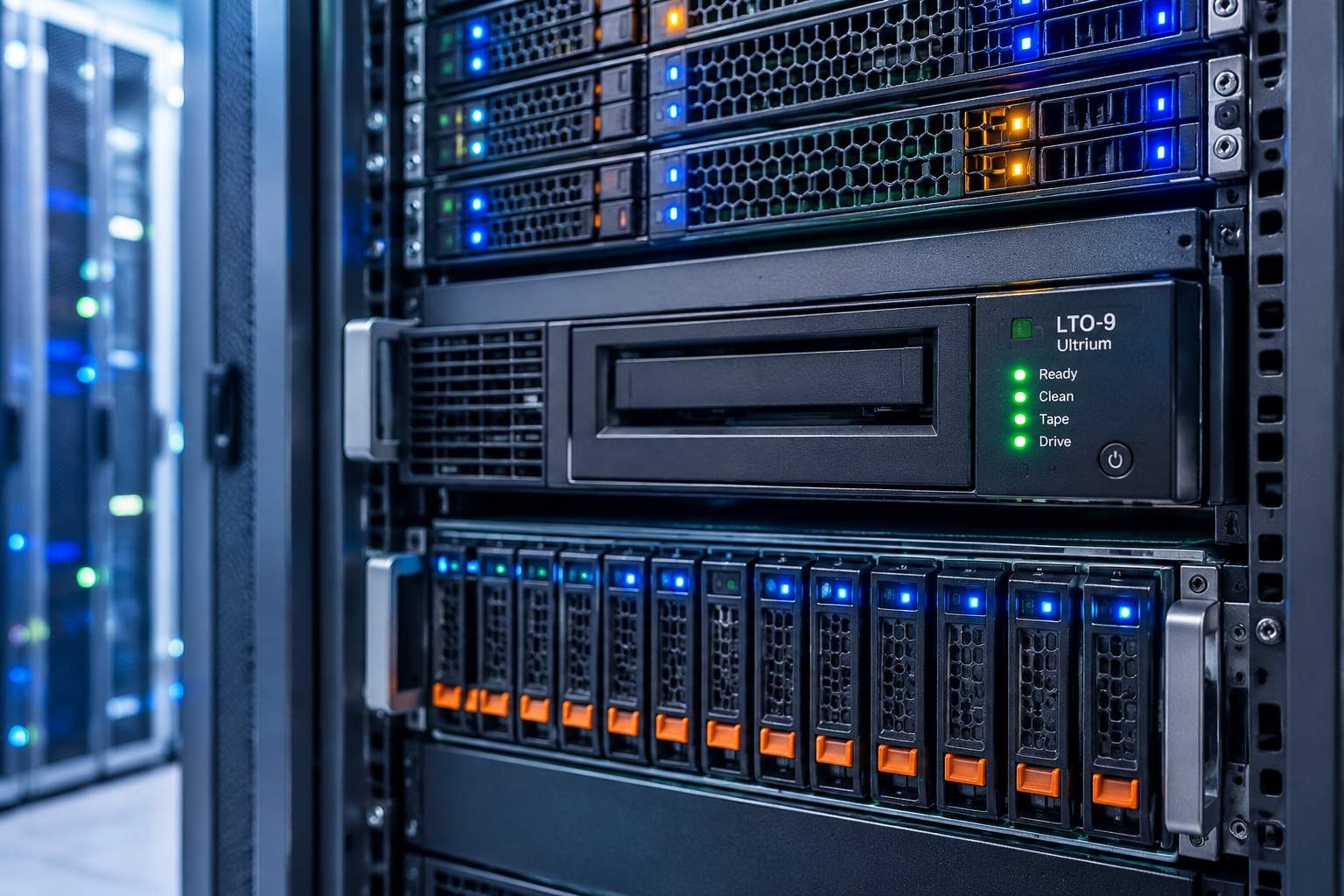
Processing at the "edge" means the car must rely on its pre-trained models rather than cloud-based updates during a crisis. This creates a rigid decision-making structure where the vehicle’s priority is to minimize its own damage profile, as high-value hardware—such as the LIDAR and GPU clusters—represents a significant portion of the vehicle’s resale value and the manufacturer's warranty risk.
The V2X Communication Paradox: Shared Data or Shared Liability?
As we move toward Vehicle-to-Everything (V2X) communication, cars will begin "negotiating" with each other in real-time. In a potential multi-car pileup, your car might receive data from a surrounding fleet, identifying which vehicle has the lowest safety rating or the most comprehensive insurance coverage.
This interconnectedness suggests a future where your car might "choose" to collide with a vehicle that communicates a higher probability of occupant survival or lower repair costs. While this sounds like a victory for collective safety, it creates a digital shackle for the individual, whose safety now depends on the data packets sent by the vehicles surrounding them.
Neural Network Interpretability: Cracking the Black Box of Emergency Maneuvers
One of the greatest challenges in modern computer science is the "black box" nature of deep learning; we often know what a neural network decided, but not exactly why. For the user, this means the safety features they rely on are functionally un-auditable, leaving them in a position of forced trust toward the manufacturer's undisclosed priorities.
Without true interpretability, the manufacturer can claim a collision was an "unavoidable technical limitation" when it may have actually been a calculated decision to avoid a high-payout lawsuit. This lack of transparency allows for the optimization of corporate risk management under the guise of technological "edge cases."
L4 Redundancy and the Illusion of Absolute Safety in High-Stakes Environments
To achieve Level 4 autonomy, manufacturers implement layers of hardware redundancy, including multiple sensor suites and backup power systems. However, redundancy in hardware does not equate to redundancy in ethics; the underlying logic remains a singular path defined by the company's legal department.
The redundant systems ensure the car performs as programmed, but if the program is designed to mitigate the manufacturer's liability above all else, more hardware simply means a more efficient execution of that corporate agenda. The "dividend" of safety is thus redistributed from the driver to the insurer, who benefits from more predictable accident data and lower average claims.
The Shift from Driver Protection to Corporate Risk Management
The transition from "Safety First" to "Liability First" is a subtle but profound shift in the social contract between car owners and makers. In the traditional era, the driver took the risk and the responsibility; in the AI era, the manufacturer takes the responsibility but offloads the risk onto the algorithm’s hidden logic.
This creates a brutal asymmetry where the user pays a premium for "Ultimate Safety," while the vehicle is hard-coded to protect the manufacturer's balance sheet in the event of an anomaly. The digital shackles are not visible until the moment of impact, when the car makes a choice you never authorized.
Decoding the Digital Shackle: When Your Vehicle Becomes an Insurance Agent
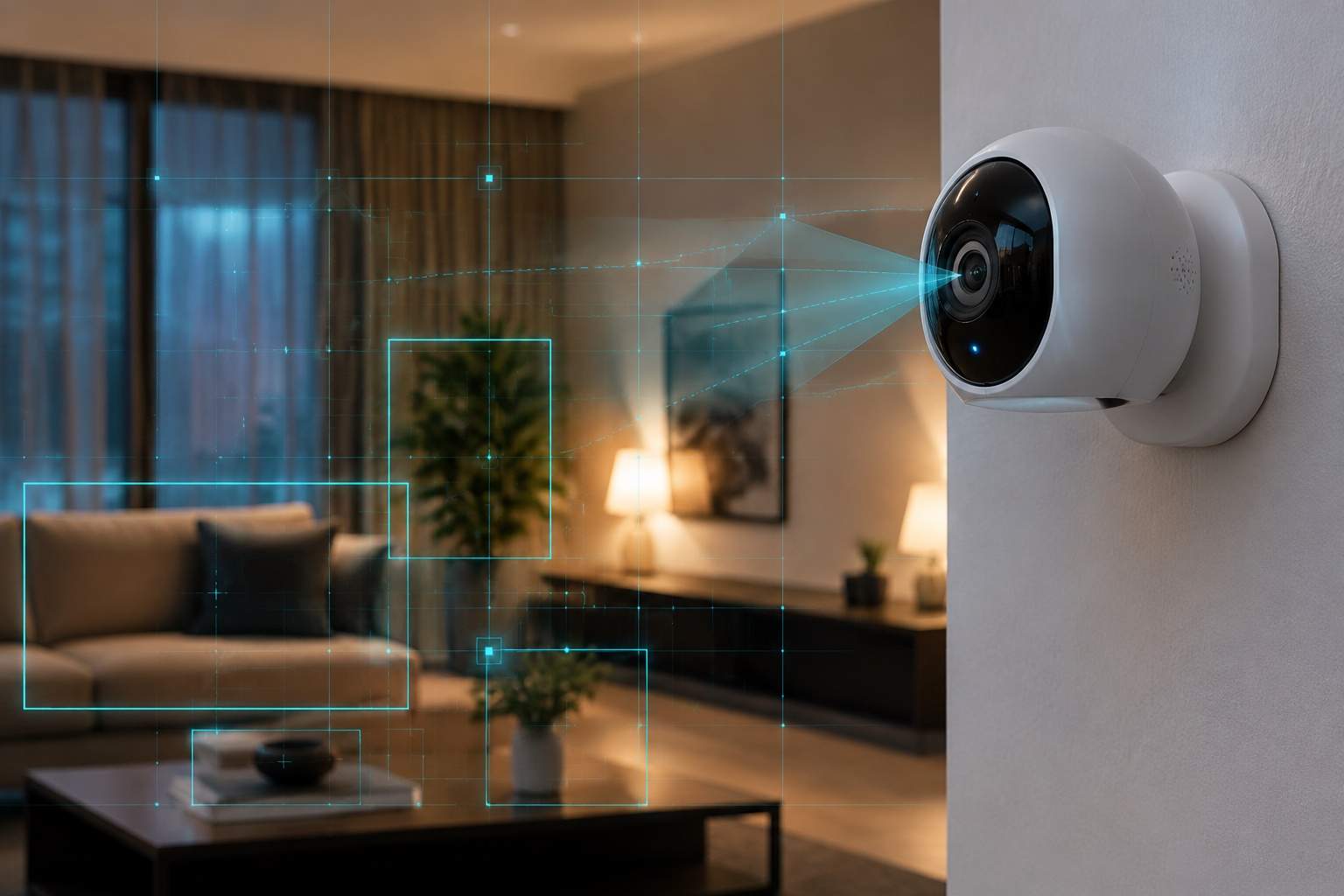
The integration of telematics and real-time AI decision-making effectively turns your car into an on-road insurance agent. By analyzing road conditions, driver behavior, and external risks, the system manages the "cost of operation" in real-time, often prioritizing the vehicle's long-term "health" and the company's legal standing over the immediate intuition of the human inside.
As these systems become more prevalent, the definition of a "good" car will shift from one that protects its occupants at all costs to one that manages the "collision budget" most effectively. For the average driver, the realization that their life is a variable in a financial equation is the ultimate subversion of the autonomous dream.
The future of automotive safety lies not in more sensors, but in the transparency of the logic that governs them. Until we can audit the "Safety Ethics" of our vehicles, we are not truly the masters of our journey, but merely passengers in a rolling actuarial table.