Imagine returning home after an exhausting day, eager for the comfort of your climate-controlled sanctuary, only to find the lights unresponsive and the thermostat dead. You aren't experiencing a power failure; you are experiencing a cloud outage. In this moment of helplessness, the "smart" technology you purchased to gain control over your environment reveals a cold truth: you do not own your home’s ecosystem; you are merely renting functionality from a remote server.
E.g. :The 'Circular Economy' Illusion: Are Your Recycling Efforts Just Industry's Hidden Waste Burden?
- 1、The Illusion of Ownership in a Cloud-Dependent World
- 2、Why Your Data Is the Hidden Subscription Fee
- 3、Breaking the Shackles with Edge Computing
- 4、The Promise and Peril of AIoT Interoperability
- 5、Reclaiming Your Living Space from Corporate Oversight
The Illusion of Ownership in a Cloud-Dependent World
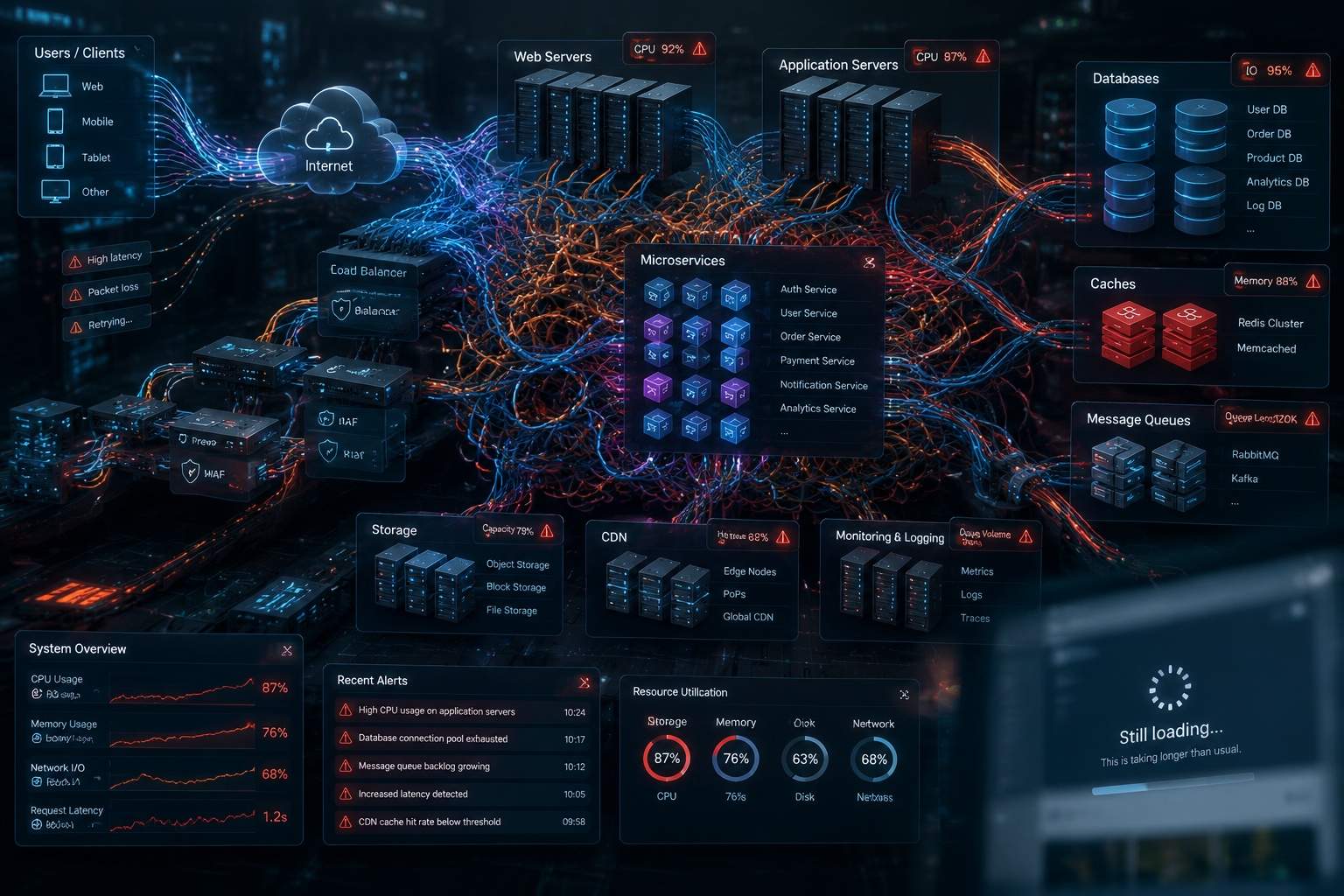
Modern home automation relies on a centralized cloud architecture, where every flick of a switch sends a packet of data to a server thousands of miles away before returning an instruction to your wall. When the manufacturer’s server undergoes maintenance, your expensive hardware effectively becomes a collection of plastic and silicon paperweights. We have traded the physical independence of a light switch for the convenience of remote control, but the hidden cost is the total loss of domestic autonomy.
Why Your Data Is the Hidden Subscription Fee
The industry often frames smart devices as a one-time purchase, yet the business model is built upon the persistent harvesting of your behavioral data. By centralizing operations in the cloud, companies turn your living space into a private data-mining node where every movement and preference is indexed. You are not just the consumer paying for a device; you have become the product, supplying the fuel that powers their machine learning algorithms while the "digital shackles" of proprietary software keep you locked into their ecosystem.
Breaking the Shackles with Edge Computing
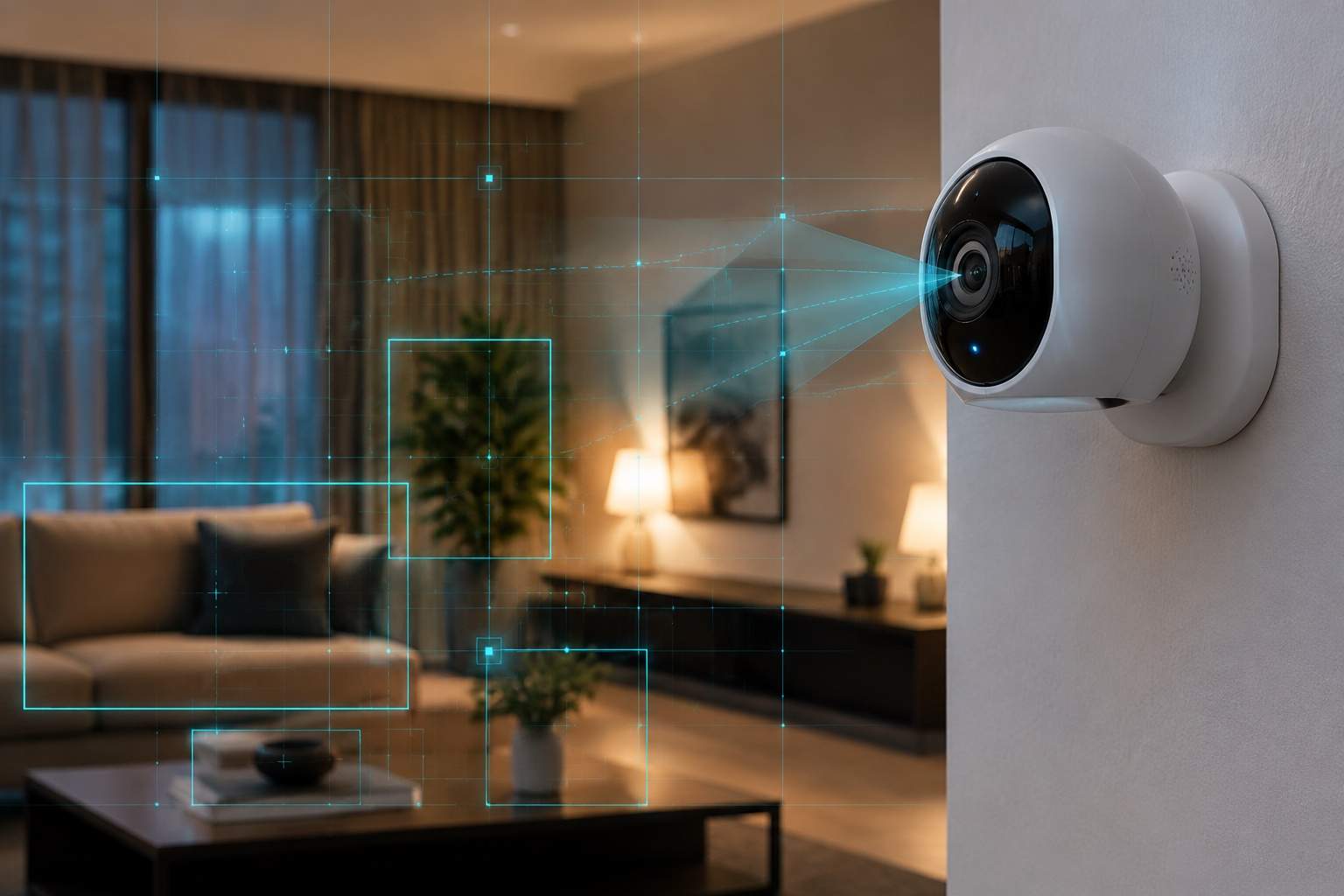
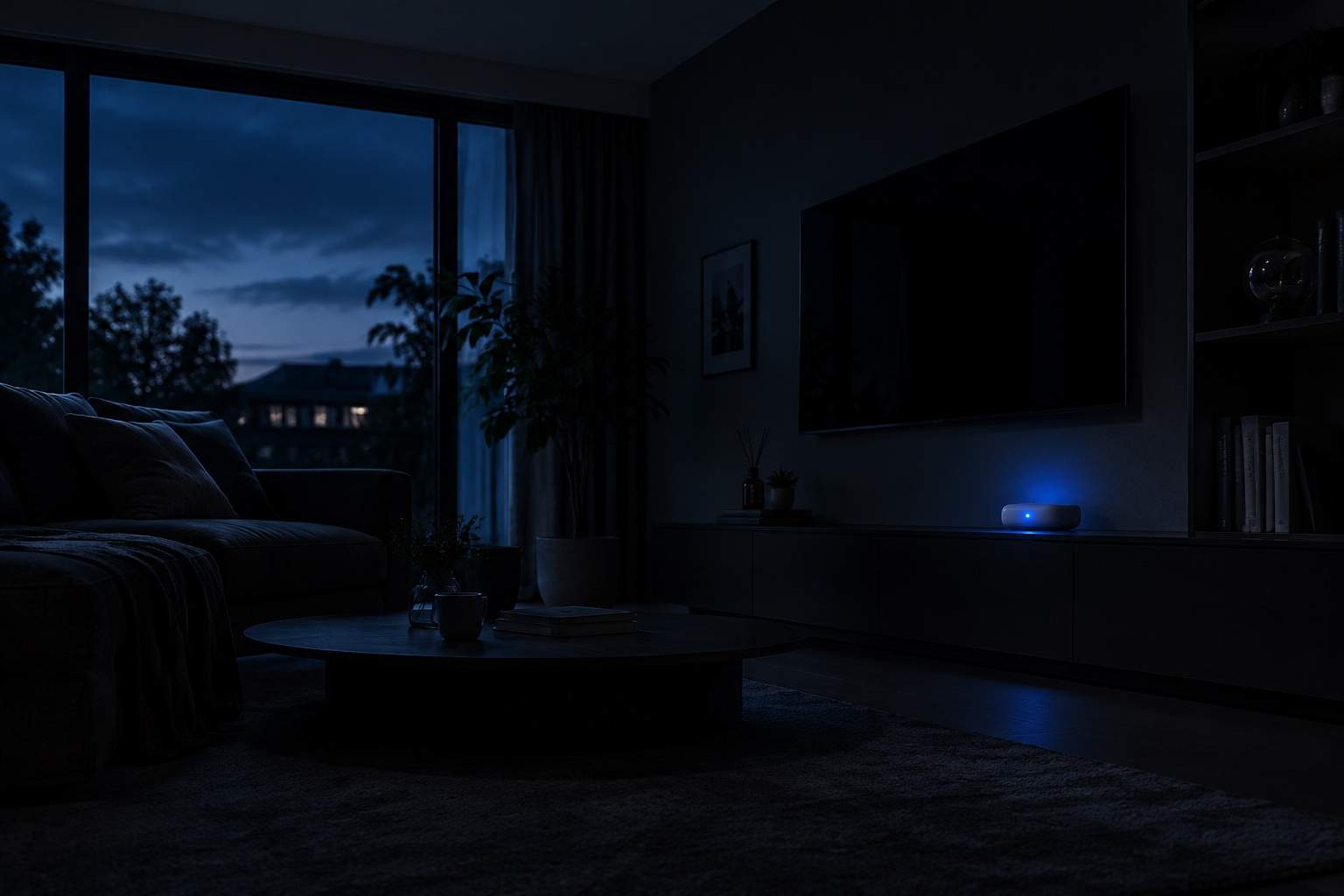
The shift toward edge computing represents the most significant opportunity to reclaim our digital sovereignty. Instead of relying on a distant, fickle cloud, edge computing allows devices to process data locally within your own four walls, ensuring that your home remains operational even if your internet connection vanishes. This architectural pivot moves intelligence from the manufacturer’s server back to the consumer’s router, turning a fragile dependency into a robust, autonomous local network.
The Power of Local Processing
Local processing ensures that your personal habits stay behind your firewall, significantly reducing the exposure of your metadata. By eliminating the constant "handshake" between your home and a global server, you gain both privacy and near-instantaneous response times for your smart devices.
Restoring Resilience to Daily Life
Devices that prioritize local control are inherently more resilient because they remove the single point of failure that currently defines most smart home setups. A home that knows how to turn on the lights without asking for permission from a corporate cloud is a home that actually belongs to the person who pays the mortgage.
The Promise and Peril of AIoT Interoperability
Tech giants frequently promote "ecosystems" that sound like a paradise of convenience, but in practice, they are often walled gardens designed to prevent you from mixing and matching hardware. Achieving true AIoT interoperability is the only way to stop this forced leasing model, allowing users to choose the best sensor from one brand and the best actuator from another without needing a centralized gatekeeper.
Reclaiming Your Living Space from Corporate Oversight
We are currently standing at a crossroads between homes that serve us and homes that serve their makers. The path forward requires a shift in how we value hardware: we must prioritize devices that function offline and respect the sanctity of the domestic sphere. By demanding local-first architectures, we can transform our "digital prisoner camps" back into private, secure environments that operate on our terms, rather than the terms of a remote cloud administrator.
The future of technology shouldn't feel like a monthly subscription to your own privacy. True innovation is invisible, robust, and entirely under your roof.