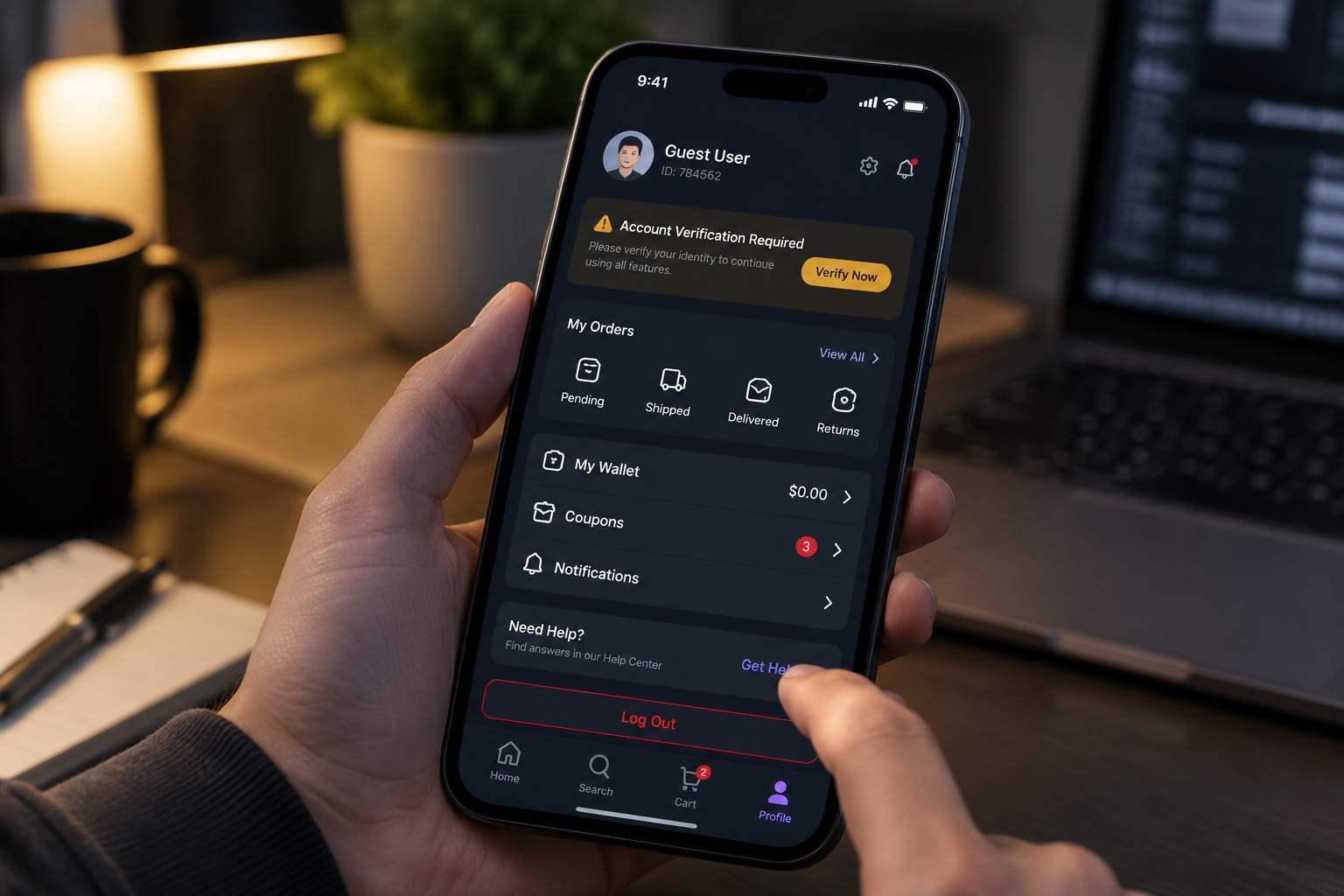
We live in an era where technological progress is often equated with a simplified developer journey. A new social media application, recently celebrated for its "cutting-edge" architecture and "developer-friendly" JavaScript framework, paradoxically struggles with frustrating load times exceeding ten seconds on a mid-range smartphone. This stark reality forces us to confront a provocative question: could our industry's relentless pursuit of "superior developer experience" (DX) inadvertently be creating less reliable, more expensive software?
The Allure of "Superior DX": A Double-Edged Sword for Software Innovation
The promise of modern frameworks and libraries is undeniably compelling: abstract away complexity, accelerate development, and empower creators. These tools offer powerful abstractions, pre-built components, and opinionated structures that promise to slash initial development time, allowing teams to ship features at an unprecedented pace. The initial velocity gains are often celebrated as a testament to these tools' efficacy, seemingly validating the investment in a "modern" stack.
However, beneath this veneer of rapid progress lies a growing tension between immediate developer velocity and the long-term health of software projects. The focus on making the developer's life easier today often overlooks the compounding costs borne by the application tomorrow—costs in performance, maintainability, and operational overhead.
The Abstraction Tax: Hiding Complexity, Increasing Runtime Overhead
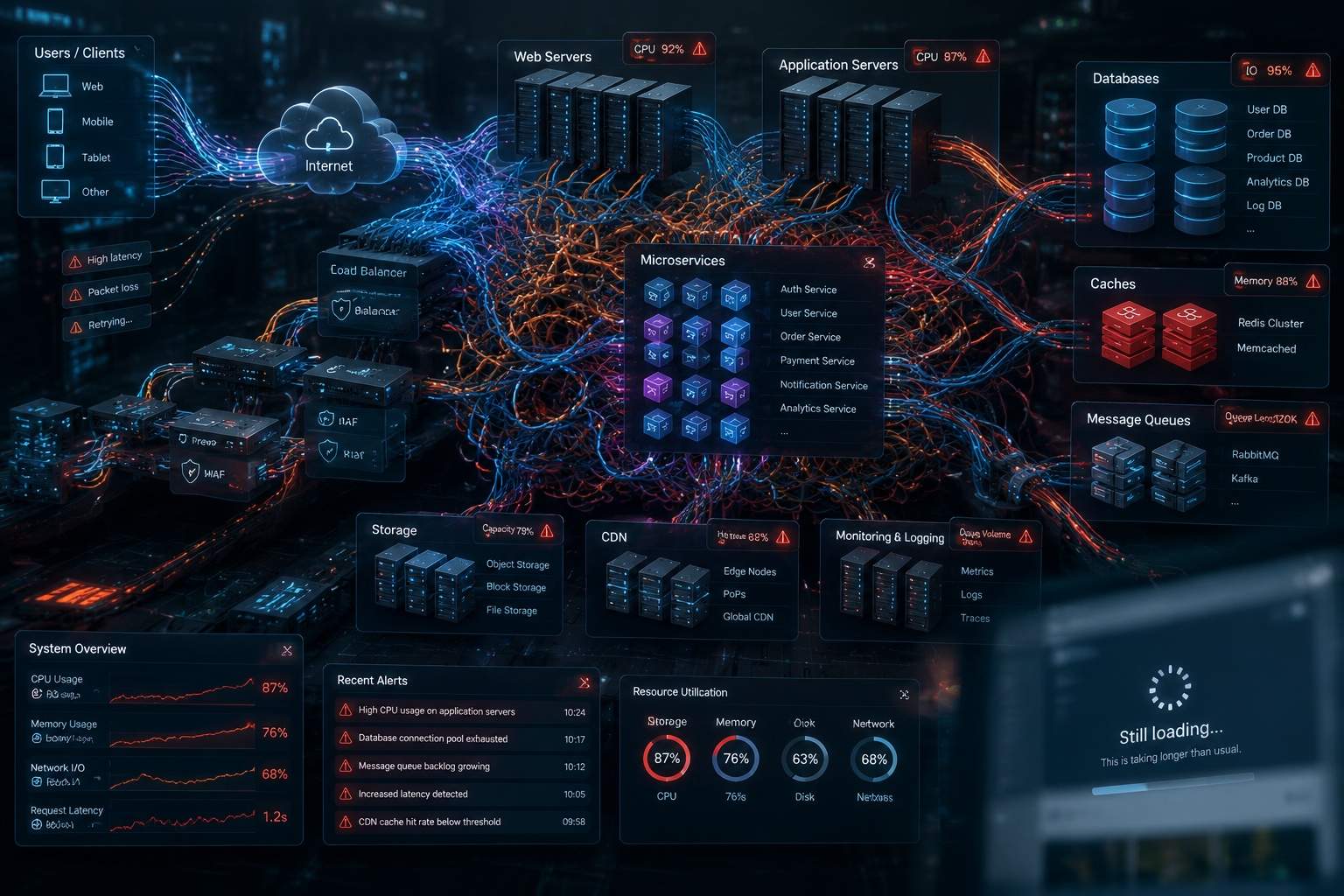
Modern frameworks achieve their "developer-friendliness" by adding layers of abstraction, effectively shielding developers from the intricate details of browser APIs, network protocols, or server operations. While this initially simplifies coding, it introduces an "abstraction tax"—a hidden cost paid in increased runtime overhead and larger application bundles. Each layer of indirection, each helper function designed for convenience, contributes to the final executable size and the number of instructions the client's device must process, regardless of whether that specific piece of abstraction is truly needed for the task at hand. This often translates directly into slower user interfaces and increased resource consumption, particularly on less powerful hardware.
When Agility Breeds Technical Debt: The Framework Churn Epidemic
The digital landscape is characterized by constant evolution, with new frameworks and libraries emerging at a dizzying pace. Development teams frequently find themselves under pressure to migrate to the next popular tool, driven by the perception that staying current is synonymous with staying competitive. This continuous re-platforming, while sometimes necessary, often leads to a cycle of high developer burnout and the accumulation of significant technical debt.
Each migration demands substantial re-skilling, refactoring existing codebases, and inevitably introduces new bugs as established patterns are discarded for novel approaches. The perceived "agility" of adopting the latest trend frequently transforms into an ongoing burden, as teams spend more time updating dependencies and migrating code than building new, valuable features for end-users. The allure of novelty often overshadows the pragmatic evaluation of long-term stability and actual business value.
Performance Penalties: Bloated Bundles and Web Performance Degradation
The most direct victims of this DX-driven approach are often the end-users. The hypothetical social media app struggling with 10-second load times is not an anomaly but a symptom of a widespread issue. Modern web applications, built with multiple layers of framework code, utility libraries, and increasingly complex build toolchains, frequently ship massive JavaScript bundles to the client. These bloated bundles take longer to download, parse, and execute, directly impacting a user's initial experience.
Beyond download size, the runtime overhead of complex frameworks can strain device resources. Features that seem trivial to implement with a few lines of framework code often trigger extensive background processes, memory allocations, and DOM manipulations that can lead to janky animations, unresponsive interfaces, and faster battery drain on mobile devices. What was designed for developer comfort manifests as user frustration.
The Cost of "Free" Frameworks: Unseen Financial Burdens for Businesses
While many popular frameworks are open-source and "free" in monetary terms, their adoption comes with substantial, often hidden, financial burdens for businesses. The constant need for re-platforming, specialized hiring for niche framework expertise, and the ongoing maintenance of complex, rapidly evolving stacks contribute significantly to operational costs. Businesses find that initial development velocity gains are quickly overshadowed by spiraling maintenance expenses and the continuous expenditure required to keep up with the framework treadmill.
Framework creators benefit from mindshare and adoption, and developers enjoy the intellectual stimulation of learning new tools. However, businesses bear the escalating financial responsibilities, often unknowingly, as they invest heavily in ecosystems that prioritize rapid iteration over enduring stability.
Navigating the Build Toolchain Complexity: A Bottleneck to Productivity
The journey from source code to a deployable application in modern web development is far from straightforward. The "developer-friendly" frameworks often sit atop intricate build toolchains involving multiple compilers, bundlers, pre-processors, and optimizers. Setting up, configuring, and maintaining these complex environments, troubleshooting their inevitable conflicts, and debugging opaque build errors can consume a significant portion of a development team's time. This operational complexity, though abstracted away from daily coding tasks, represents a substantial bottleneck to true productivity and a significant source of developer frustration, eroding the very DX it aims to enhance.
Reclaiming Software Sustainability: Prioritizing Robustness Over Novelty
The prevailing industry consensus that "newer is always better" and "more abstraction equals simpler" is actively generating more complexity, not less. To break free from these "digital shackles," we must foster a more balanced perspective. Prioritizing long-term maintainability, actual application performance for the end-user, and sustainable operational costs over immediate developer gratification is crucial.
This calls for a renewed focus on fundamental software engineering principles, a critical evaluation of framework choices based on real-world impact rather than hype, and an investment in simpler, more robust architectures where appropriate. The true measure of a "developer-friendly" ecosystem should not just be how quickly code can be written, but how well that software performs, how long it endures, and how efficiently it serves its users and the businesses that rely upon it.