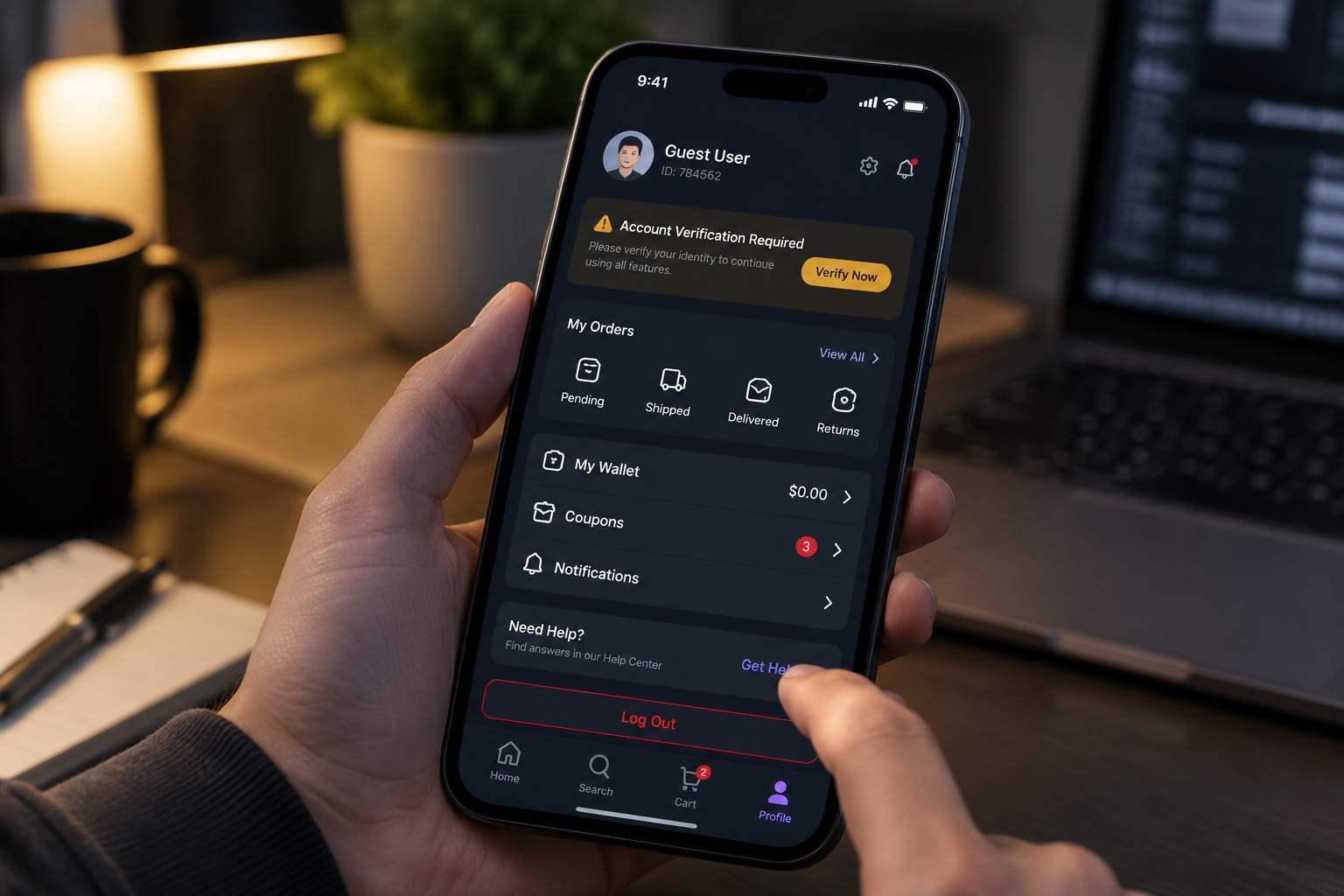
Imagine needing to quickly check your flight status – a simple task, seemingly designed for efficiency. Yet, before you even glimpse your gate number, your screen is barraged: three full-screen pop-ups for premium features, a push notification for "exclusive offers," and an aggressive "limited-time deal" counter. This constant digital assault, often experienced as manipulation rather than assistance, hints at a profound paradox in modern technology: the very design principles intended to enhance user experience are increasingly being weaponized to extract more of our time, data, and money.
E.g. :Smart Irrigation Can Water Your Garden, But It Cannot Read Every Plant
- 1、The Allure of Engagement: Decoding Persuasive Design's Ascent
- 2、The Shadowy Side: Unmasking Digital Dark Patterns and User Manipulation
- 3、The Erosion of Trust: The Toll on Digital Well-being
- 4、The Ethical Quandary: Redefining UX Ethics in a Growth-Hacking Era
- 5、Reclaiming Autonomy: A Path Towards Responsible Design
The Allure of Engagement: Decoding Persuasive Design's Ascent
At its core, user experience (UX) design was conceived to champion the user, making digital interactions intuitive, efficient, and delightful. However, the commercial imperative to maximize engagement and conversion rates has subtly shifted its focus. We are now witnessing the widespread application of Persuasive Design, a field rooted in behavioral psychology, which seeks to guide user actions towards specific goals. Pioneers like B.J. Fogg's Fogg Behavior Model illustrate how triggers, motivation, and ability converge to prompt desired behaviors, making these strategies incredibly effective for product adoption and retention.
The Subtle Art of Behavioral Economics in Digital Spaces
The evolution of persuasive design is deeply intertwined with insights from Behavioral Economics. Concepts like scarcity (e.g., "only 3 left!"), social proof ("join 1 million happy users!"), and loss aversion ("don't miss out on these savings!") are meticulously woven into interfaces. These psychological "nudges" are not inherently malevolent; they can genuinely encourage positive actions, such as signing up for a newsletter or completing a profile. Yet, the same principles can be leveraged to subtly bypass conscious decision-making, compelling users towards outcomes that benefit the platform more than the individual.
The Shadowy Side: Unmasking Digital Dark Patterns and User Manipulation
Where persuasive design nudges, Dark Patterns coerce. These are intentionally crafted user interface elements that trick or manipulate users into making choices they wouldn't otherwise make, often to the benefit of the service provider. Coined by UX designer Harry Brignull, dark patterns exploit cognitive biases, transforming benign interactions into traps. Examples range from "confirmshaming," where opting out of something makes you feel guilty, to hidden costs revealed only at checkout, or forced continuity, where free trials automatically convert to paid subscriptions without clear notice.
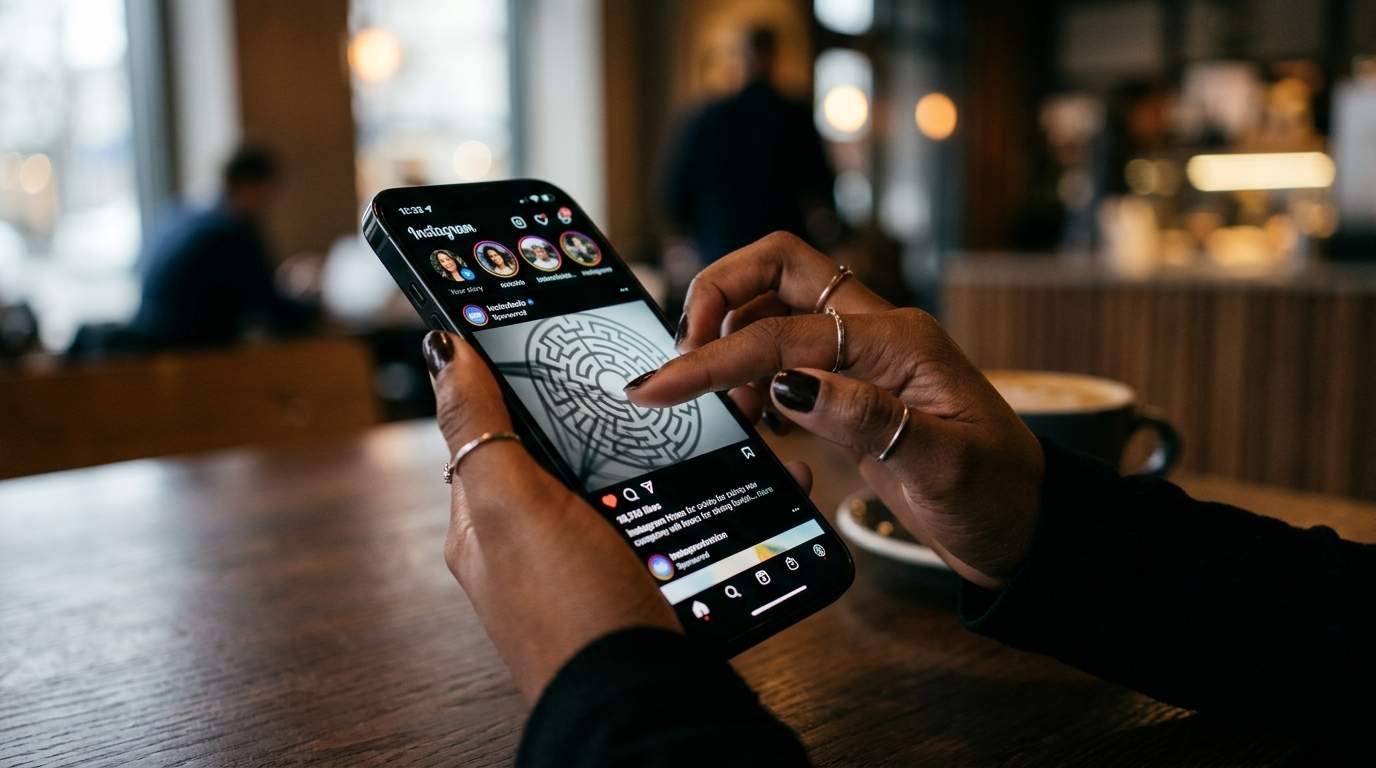
When Choice Becomes Illusion: Case Studies in Coercion
Consider the labyrinthine process often required to cancel a subscription or delete an account. What should be a straightforward action is deliberately obscured by multiple steps, confusing language, and non-obvious pathways—a classic "roach motel" dark pattern where it's easy to get in, but hard to get out. Similarly, default privacy settings that automatically opt users into data sharing, requiring arduous navigation to change, exemplify how design can subtly erode user autonomy. These aren't accidental oversights; they are calculated decisions that prioritize company metrics over UX Ethics.
The Erosion of Trust: The Toll on Digital Well-being
The pervasive nature of User Manipulation through dark patterns and aggressive persuasive design exacts a significant toll on our Digital Well-being. The constant feeling of being pressured, tricked, or having our attention hijacked leads to digital fatigue, stress, and a profound sense of distrust towards the very tools meant to simplify our lives. This insidious erosion of trust isn't just an inconvenience; it can impact mental health, create anxiety around online interactions, and ultimately diminish our capacity for sustained focus and independent decision-making.
The Ethical Quandary: Redefining UX Ethics in a Growth-Hacking Era
This brings us to a critical ethical crossroads for the UX profession: are designers primarily user advocates, or have they become ethical mercenaries, optimizing engagement at any cost? The pressure to meet aggressive growth-hacking targets often places designers in a challenging position, where their intrinsic motivation to create positive user experiences conflicts with corporate demands to maximize conversion rates. The foundational promise of UX—to make technology more humane—stands in stark contrast to practices that resemble Addiction by Design, raising fundamental questions about accountability and moral responsibility within the industry.
Reclaiming Autonomy: A Path Towards Responsible Design
The future of digital interaction demands a re-evaluation of design principles, shifting away from exploitation and towards genuine empowerment. This involves embracing transparent, user-centric design that prioritizes Digital Well-being over engagement at all costs. It means giving users clearer control over their data, their notifications, and their digital choices, making opting out as easy as opting in. Such an approach would foster trust, reduce digital fatigue, and ultimately lead to more sustainable and meaningful relationships between users and technology.
The tension between maximizing commercial outcomes and safeguarding user autonomy is undeniable. However, by prioritizing Ethical UX and fostering a design culture that values long-term user trust over short-term gains, we can collectively move towards a digital landscape that truly serves humanity, rather than holding it captive.