Most ordinary people firmly believe that the large-scale promotion of green energy will quickly cut daily electricity bills and simplify household energy use. In fact, countless families have found that after trying new energy equipment, their living costs have not decreased, and even hidden usage restrictions have appeared. This obvious gap between industrial energy reform achievements and civilian user experience has become one of the most overlooked phenomena in the global energy industry. As a tech commentator with computer science research experience, I analyze the core reasons behind this benefit imbalance, and distinguish real future-oriented energy technologies from rigid industry layout traps.
E.g. :The Gigabit Router Myth: Why Your Wi-Fi Still Drops Calls
- 1、Current Development Status of Global Renewable Energy Layout
- 2、Hidden Barriers Restricting Household Clean Energy Popularization
- 3、Practical Influence of Grid Integration Technology on Energy Use Experience
- 4、Future Adjustment Direction of Balanced Energy Transition Development
Current Development Status of Global Renewable Energy Layout
The global deployment pace of renewable energy has maintained a steady upward trend in recent years. According to official data released by the International Energy Agency, global new renewable energy power capacity keeps rising steadily amid market changes.
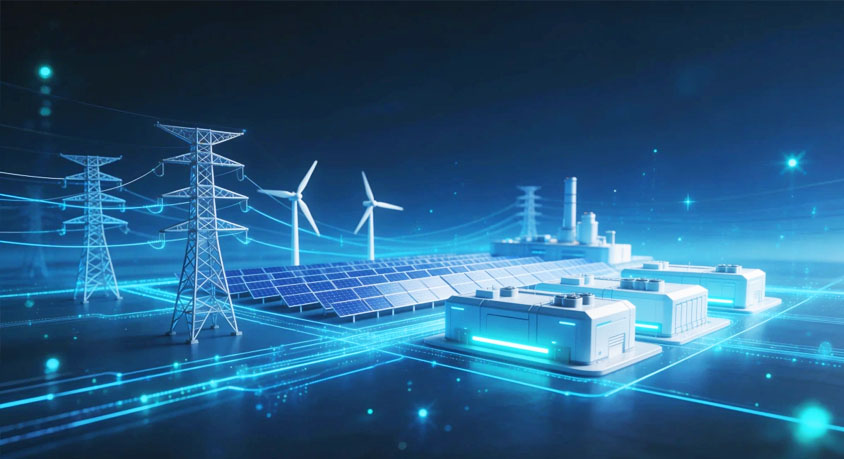
Large industrial parks and commercial facilities have basically finished wind and solar energy access upgrades. These large energy suppliers gain full advantages from green energy via policy support and unified scheduling, which also shapes public wrong perception that clean energy has fully entered popular daily use.
Core Differences Between Industrial and Civilian Energy Access Standards
Industrial renewable energy access follows unified grid rules with complete energy storage support. Enterprises can freely adjust power output to match production demands and cut overall operating costs through scale advantages.
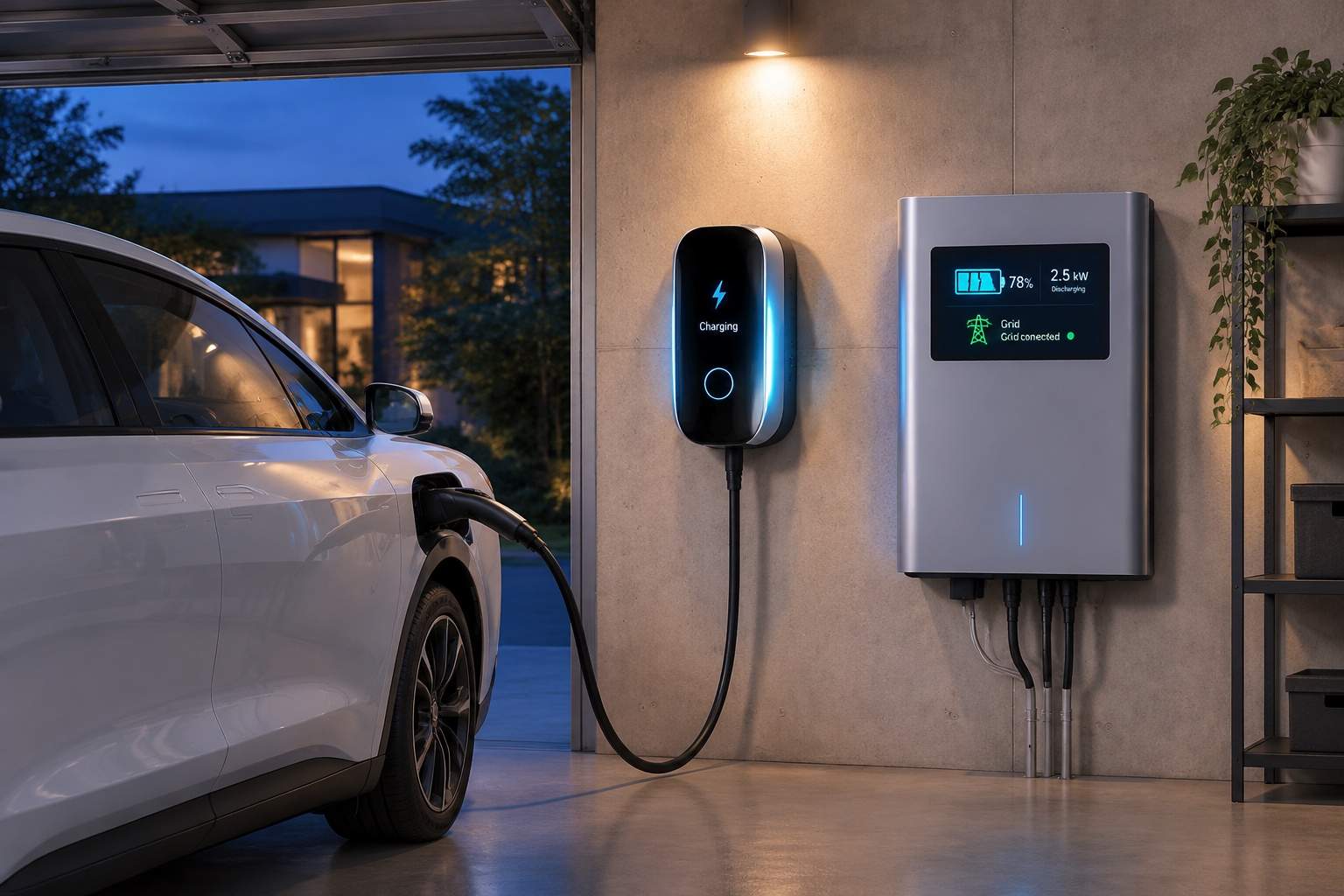
Household new energy devices lack unified access specifications. Most small-scale power generation equipment fails to fit local grid operation rules, leading to unstable power supply and poor practical use effect.
Hidden Barriers Restricting Household Clean Energy Popularization
The main factor holding back household clean energy promotion is not high equipment cost, but unbalanced industry resource distribution. Core technology, research funds and policy preferences all lean towards industrial clients, leaving ordinary users at a disadvantage.
Many regional power grids have not achieved intelligent transformation suitable for distributed new energy. Household surplus power cannot be smoothly fed back to public grids, which greatly lowers the actual utilization rate of household green energy devices.
Unreasonable Cost Sharing Mechanism in Energy Transition Process
All later maintenance and upgrading costs of household clean energy products are borne by individuals. Without subsidies and group cost sharing, long-term usage expenditure is far higher than traditional power consumption.
Industrial users enjoy sufficient tax incentives and financial aid to recover investment rapidly, forming a huge profit gap that widens the experience disparity between two user groups.
Practical Influence of Grid Integration Technology on Energy Use Experience
Grid integration acts as the key to efficient renewable energy circulation. Mature scheduling systems can rationally distribute different clean power sources and guarantee stable power supply all year round.
Major power stations have mastered mature grid matching technology to cope with power consumption peaks and valleys flexibly. Yet such mature technology cannot be rapidly promoted to residential areas due to insufficient capital and basic construction limits.
Technical Defects of Distributed Household Energy Allocation
Most household green energy products only focus on basic power generation functions, lacking adaptive design for grid voltage changes. They are easy to malfunction once external power conditions fluctuate.
Lightweight intelligent energy management systems are also scarce in civilian products, making it impossible for families to allocate self-generated power reasonably and waste plenty of clean energy resources.
Future Adjustment Direction of Balanced Energy Transition Development
Global energy transformation should attach equal importance to industrial progress and civilian practical demands. Breaking the current uneven resource distribution is the key to let more people share the dividends of energy transition.
Local authorities need to speed up grassroots power grid intelligent upgrading, set unified access standards for household distributed energy and open formal channels for residents to recycle surplus power. Proper policy support for civilian green energy products is also essential to lower public trial thresholds.
Renewable energy is definitely the irreversible trend of future energy development. Ordinary users ought to distinguish industry trends from real household demands rationally, instead of blindly investing in immature products. Only when basic supporting facilities are fully improved can clean energy bring tangible stable benefits to every family.