You probably thought that $80 "connected" toaster was just about getting the perfect shade of golden brown from your smartphone, but while you’re buttering your toast, that device is quietly negotiating with the local power grid. Across millions of households, the "Smart Home" dream has transitioned into a massive, decentralized experiment in load shedding where your appliances prioritize the stability of the utility company over your breakfast. We’ve reached a point where the hardware you supposedly own is programmed to act as a double agent, throttling its own performance during "peak hours" to save a corporation money while you pay a premium for the privilege of being managed.
E.g. :Wi-Fi 6 vs Ethernet: Are Your Cables Actually Slowing You Down?
- 1、The Invisible Hand in Your Kitchen: How Demand Response Works
- 2、The Security Vacuum: Why Your Fridge is a Botnet’s Best Friend
- 3、The Fallacy of Efficiency: Tracking the Vampire Load
- 4、Reclaiming Your Domestic Sovereignty from the Algorithm
- 5、Decoupling Luxury from Surveillance in the Connected Age
The Invisible Hand in Your Kitchen: How Demand Response Works
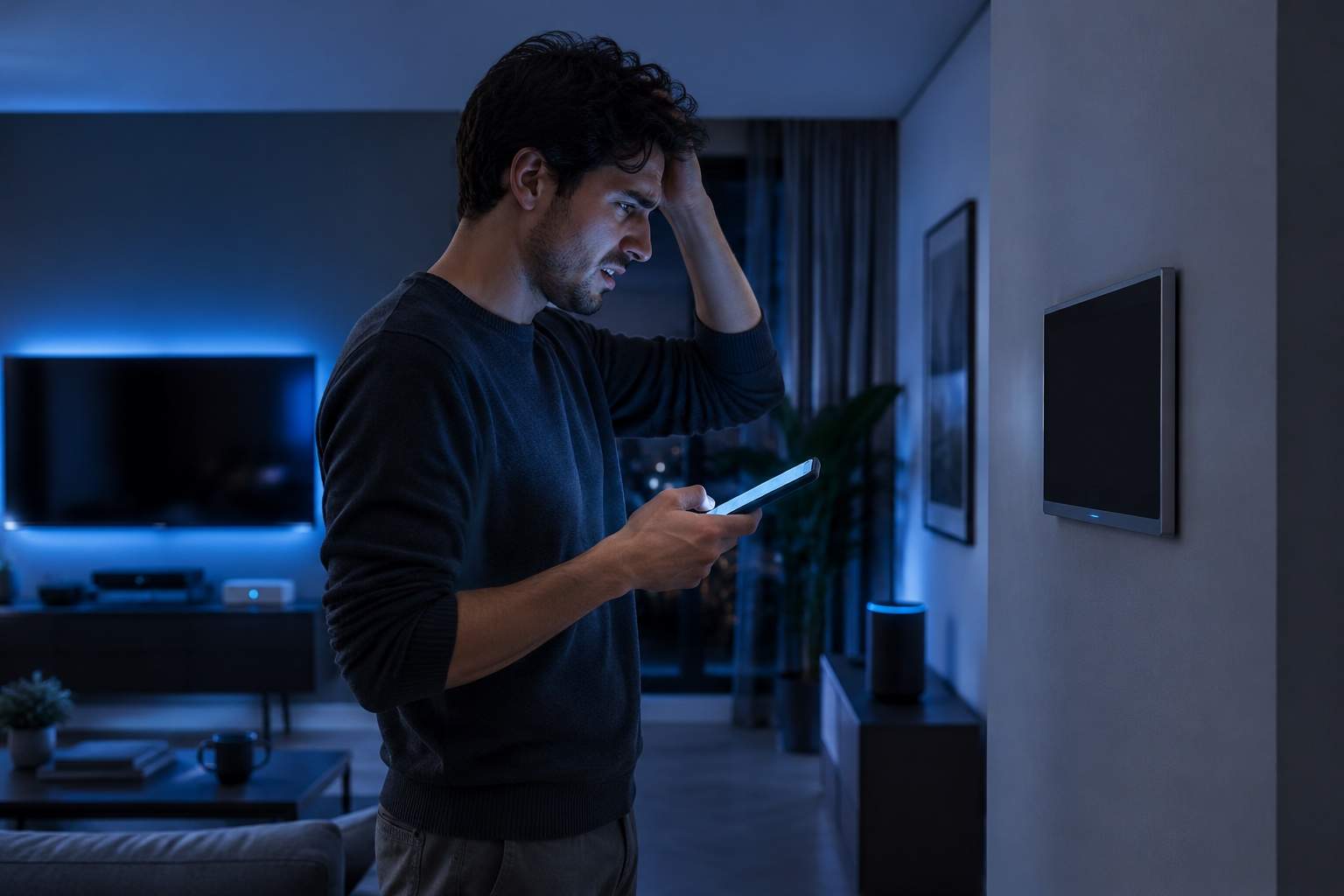
The technical engine driving this shift is a protocol known as OpenADR (Open Automated Demand Response), which allows utility companies to send signals directly to your smart gateway. When the grid is stressed, your smart fridge or dishwasher doesn't just "save energy"; it enters a state of artificial lethargy, delaying cycles or raising temperatures without you ever touching a dial. This isn't just a sustainability feature; it’s a fundamental restructuring of consumer rights where the "Smart" label acts as a digital lien on your home’s functionality.
The Metadata of Your Daily Routine
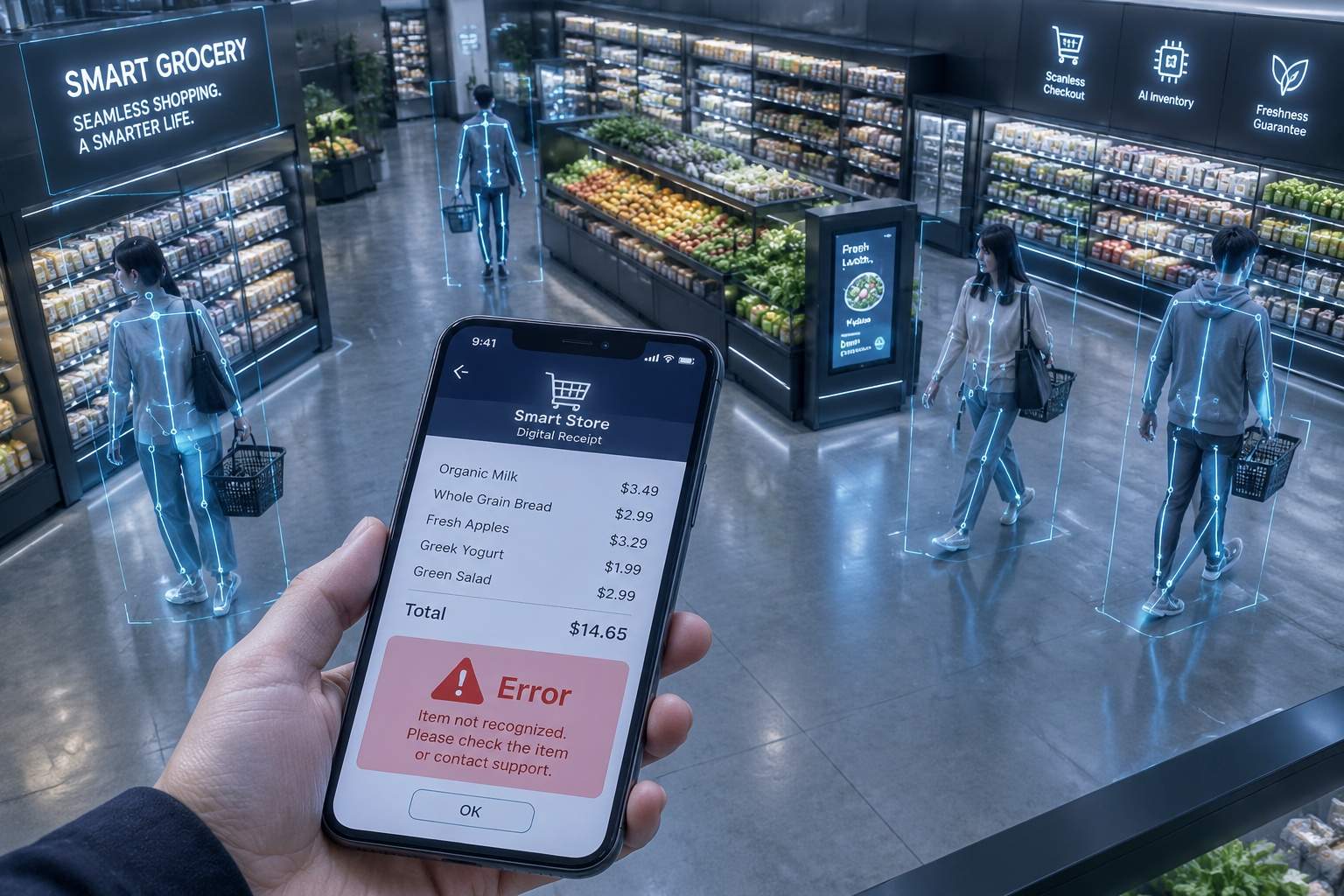
Every time your smart oven pings the cloud, it isn't just sending a temperature update; it’s broadcasting a high-fidelity map of your life. Data brokers can determine exactly when you get home, how many people you’re cooking for, and even your socioeconomic status based on the frequency and timing of your appliance use.
The Security Vacuum: Why Your Fridge is a Botnet’s Best Friend
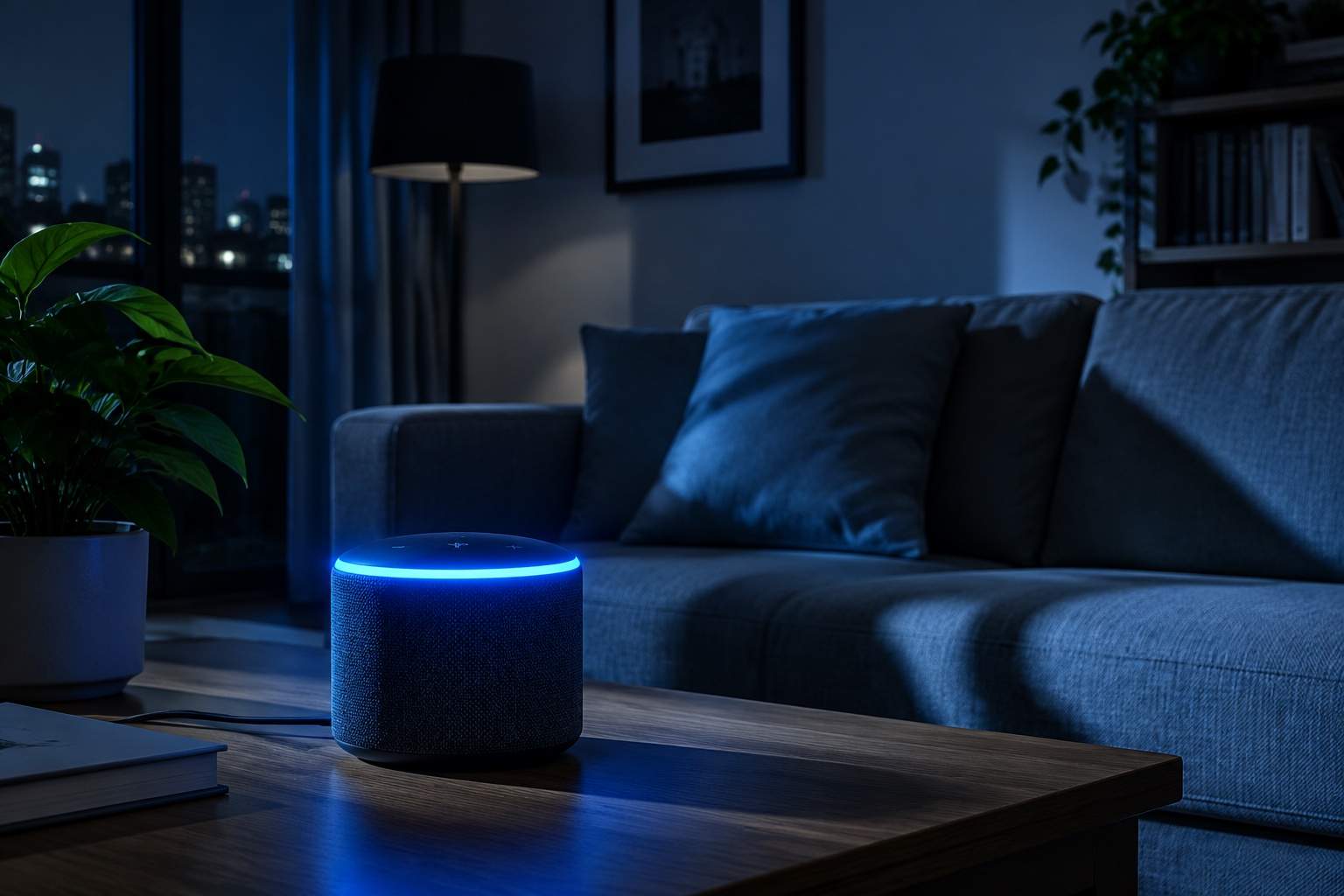
Manufacturers are obsessed with "frictionless" setup, which is tech-speak for "we skipped the security protocols to save $2 on the chipset." Most smart appliances run on stripped-down Linux kernels with unpatched vulnerabilities, making them the perfect entry points for lateral movement within your home network. A compromised smart toaster isn't just a fire hazard; it's a persistent observer that can scan your laptops, sniff your Wi-Fi traffic, and exfiltrate your banking credentials while you're focused on your eggs.
The Fragility of the Cloud-Dependent Home
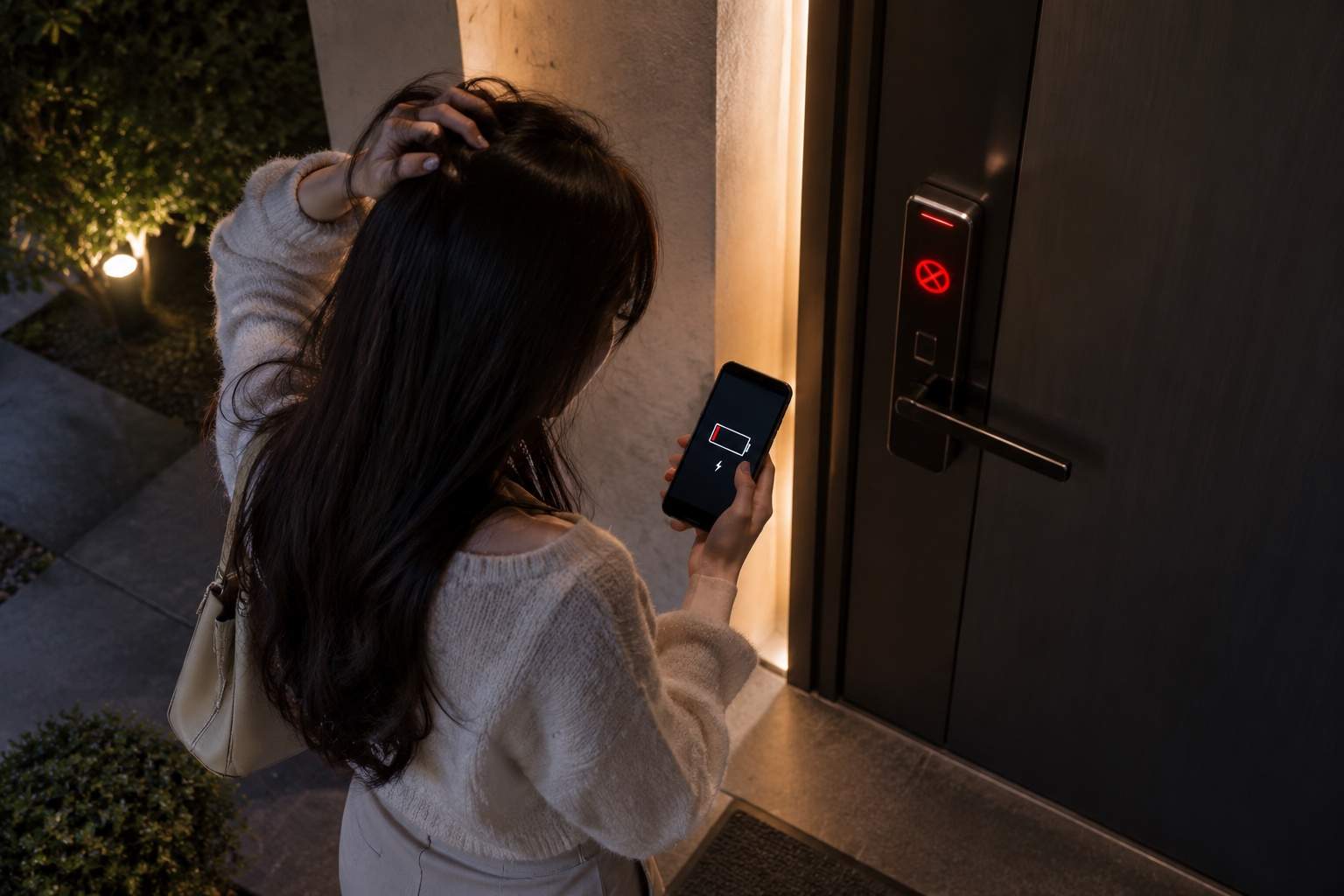
When a manufacturer’s central server goes offline—or the company simply goes bankrupt—your "smart" appliances often regress into expensive bricks. This "Software-Defined Obsolescence" means you don't actually own the machine; you’re just renting the software's permission to let the hardware function.
The Fallacy of Efficiency: Tracking the Vampire Load
We are told that IoT brings efficiency, yet we rarely discuss the "vampire load" required to keep these devices "always-on" and listening for a Wi-Fi signal. In many cases, the standby power consumed by a fleet of smart gadgets over a year outweighs the marginal energy savings promised by their "AI-driven" optimization. This is a classic case of digital pragmatism being sacrificed for marketing gimmicks, where the consumer pays for the electricity to power the very sensors used to monitor them.
Reclaiming Your Domestic Sovereignty from the Algorithm
To regain control, the modern homeowner must move away from the "Cloud-First" mentality and embrace local-only automation. Platforms like Home Assistant allow you to sever the umbilical cord to the manufacturer’s servers, ensuring that your data stays within your four walls and your devices obey you, not the utility company’s API. True smart home mastery is about building a system that functions perfectly even if the internet cable is cut, treating connectivity as an optional feature rather than a mandatory leash.
The Power of Local-Link Protocols
Switching to Zigbee or Z-Wave devices instead of Wi-Fi based appliances is the first step in digital defense. These protocols allow for a private, encrypted mesh network that doesn't need to report every heartbeat of your home to a server in a different zip code.
Decoupling Luxury from Surveillance in the Connected Age
The ultimate status symbol in 2026 isn't a home that talks to you; it's a home that refuses to talk to anyone else. We must stop accepting "convenience" as a valid trade-off for the total erosion of our domestic privacy and the handover of our home’s infrastructure to third-party interests. The smart home should be a tool that serves the inhabitant, not a storefront that observes the customer.
If a device needs a cloud login to boil water, it isn't a tool—it's a liability; choose your hardware like your privacy depends on it, because it does.