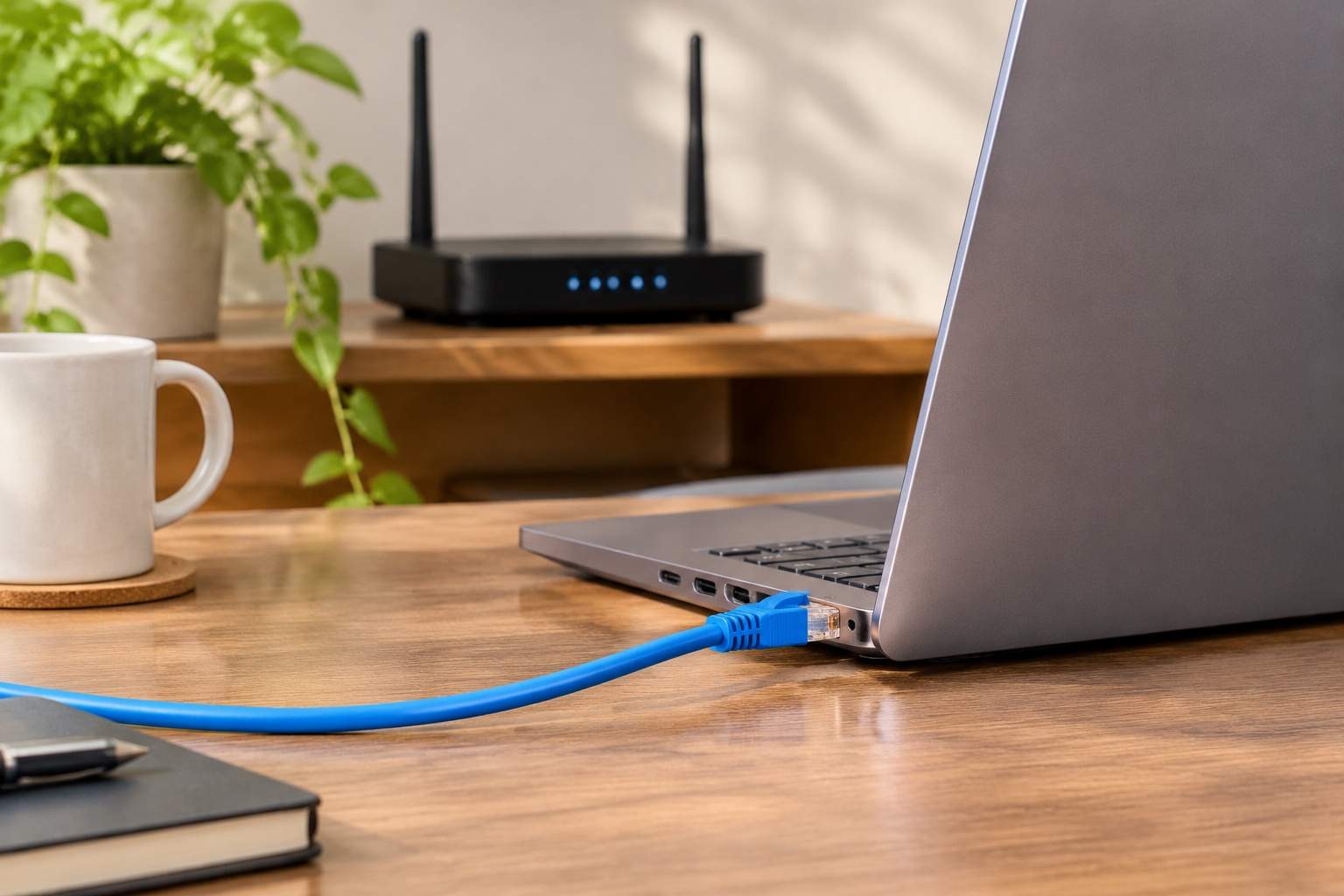
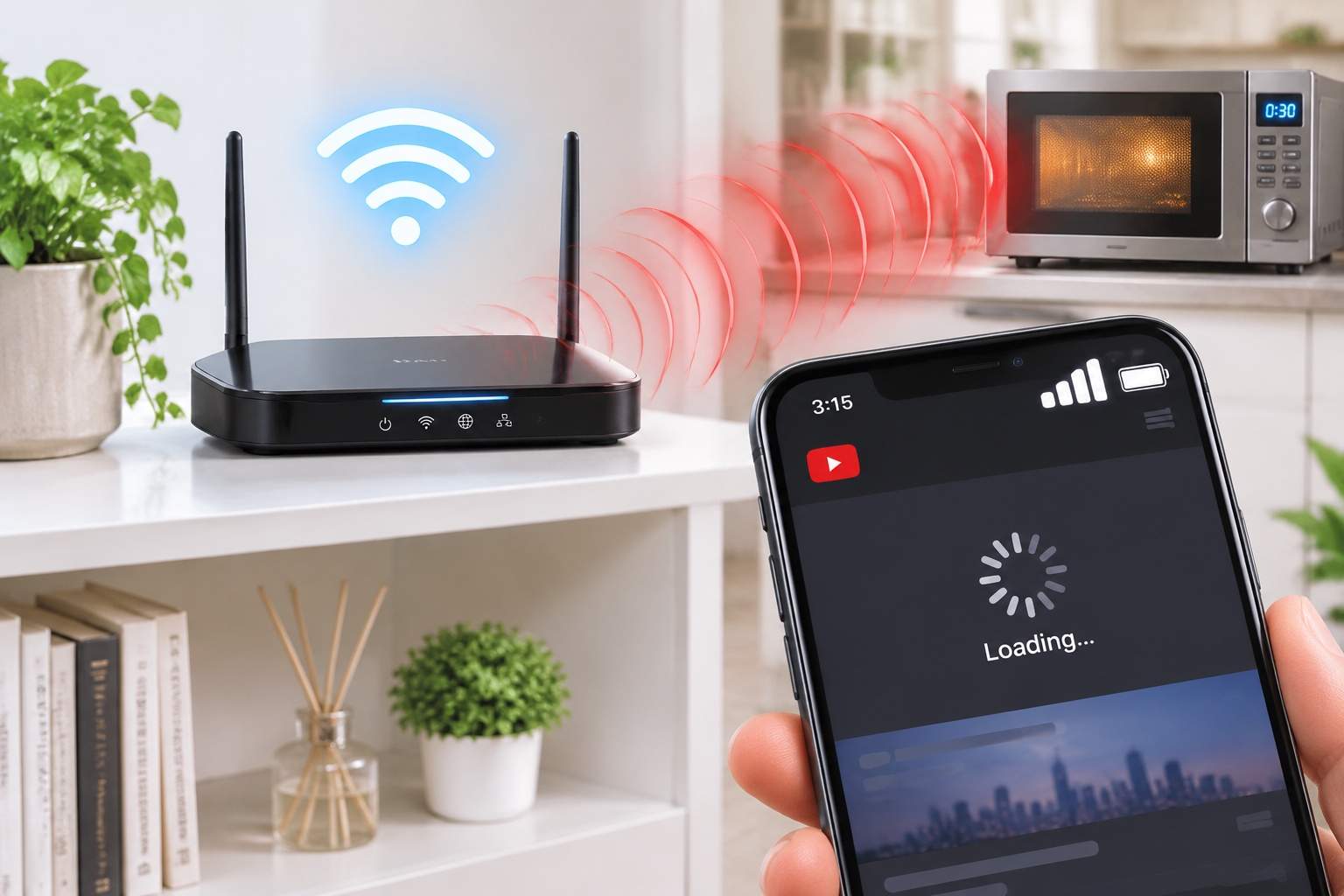
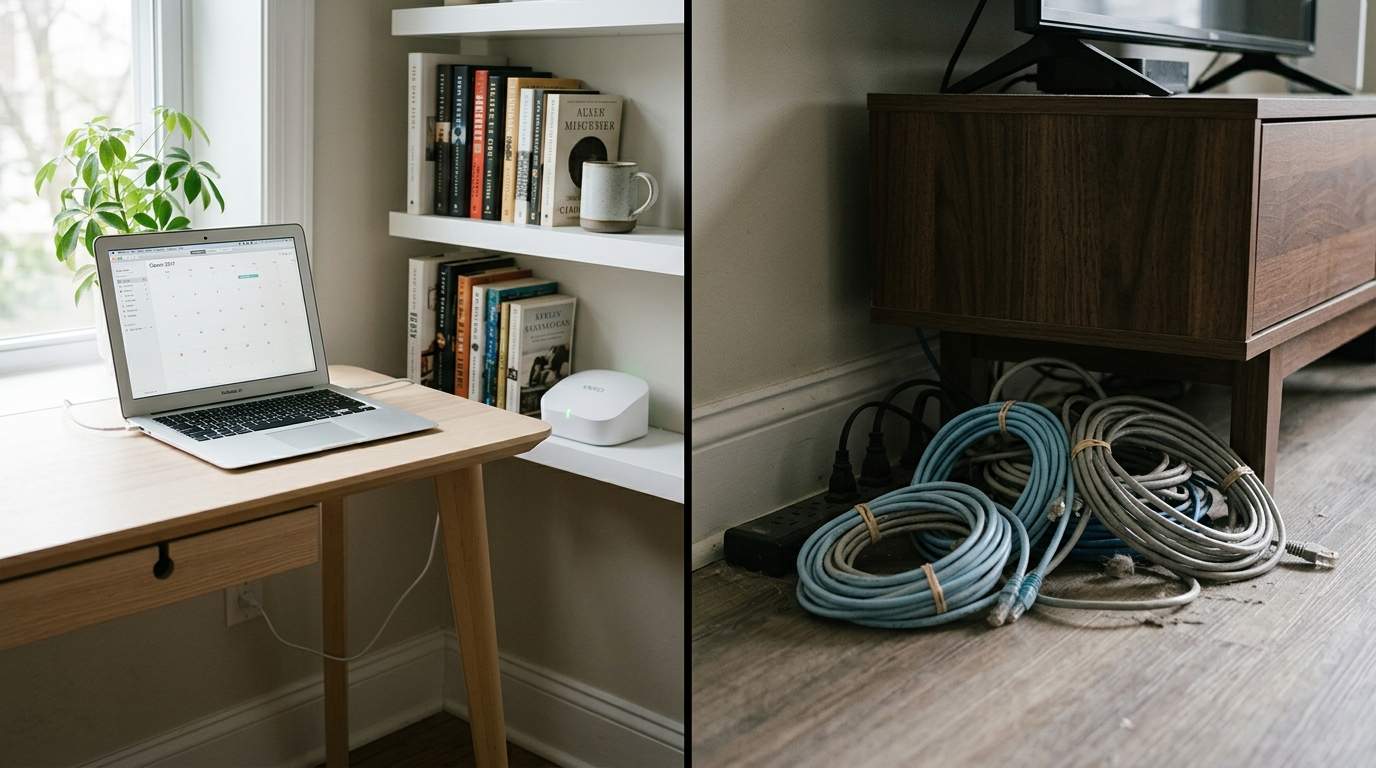
You did it. You meticulously ran those sleek Ethernet cables through walls, under carpets, and around furniture, all in pursuit of that legendary "lag-free" nirvana for your gaming rig, smart TV, and desktop. The vision was clear: unparalleled speed, unwavering stability. Yet, as you watch your spouse effortlessly stream pristine 4K movies from their laptop on Wi-Fi, or find that copying those massive project files to your wireless NAS feels just as snappy – sometimes even more so – than your painstakingly wired connection across the house, a nagging question emerges. Was all that drilling and cable management truly necessary?
E.g. :Your "Powerful" Router: The Hidden Reason for Wi-Fi Dead Zones
- 1、The Gigabit Ethernet Ghost: Is Your Wired Network a Bottleneck?
- 2、Wi-Fi 6 Wonders: Unleashing Modern Wireless Performance at Home
- 3、Gaming Latency Myths: Wired vs. Wireless Real-World Speed
- 4、Your Home Network Blueprint: When to Wire, When to Ditch Cables
- 5、Smart Tech Choices: Unlocking True Home Efficiency and Productivity
As your seasoned "efficiency mentor," I'm here to tell you that the age-old dogma of "Ethernet is always king" needs a serious reality check in today's digital home. Technology evolves, and what was once a truism can quickly become an outdated assumption. Let's peel back the layers of marketing hype and discover if your wired setup is genuinely optimizing your digital life, or if it's just a relic of a bygone era, perhaps even a hidden bottleneck.
The Gigabit Ethernet Ghost: Is Your Wired Network a Bottleneck?
Let's be clear: a perfectly executed Gigabit Ethernet connection (that's 1000 Mbps, or roughly 125 MB per second) is a marvel of consistent, dedicated bandwidth. It's the steadfast workhorse of data transfer. However, the catch often lies in the "perfectly executed" part. Many homes are wired with older Cat5e cables, which can support Gigabit, but their performance degrades significantly with longer runs or if they're poorly terminated. Think of it like a high-speed highway with a lot of potholes and detours – the speed limit might be 100 mph, but you're only hitting 60.
Even with newer Cat6 cabling, a casual installation can suffer from interference, kinks, or improper connections, reducing your theoretical Gigabit to something closer to 100 Mbps – the speed of old-school Ethernet. So, while you think you're driving a Ferrari, your actual speed might be closer to a trusty sedan, sometimes even an old bicycle. The effort of wiring is high, the flexibility is nil, and the real-world performance gain isn't guaranteed without professional installation or meticulous DIY work.
Wi-Fi 6 Wonders: Unleashing Modern Wireless Performance at Home
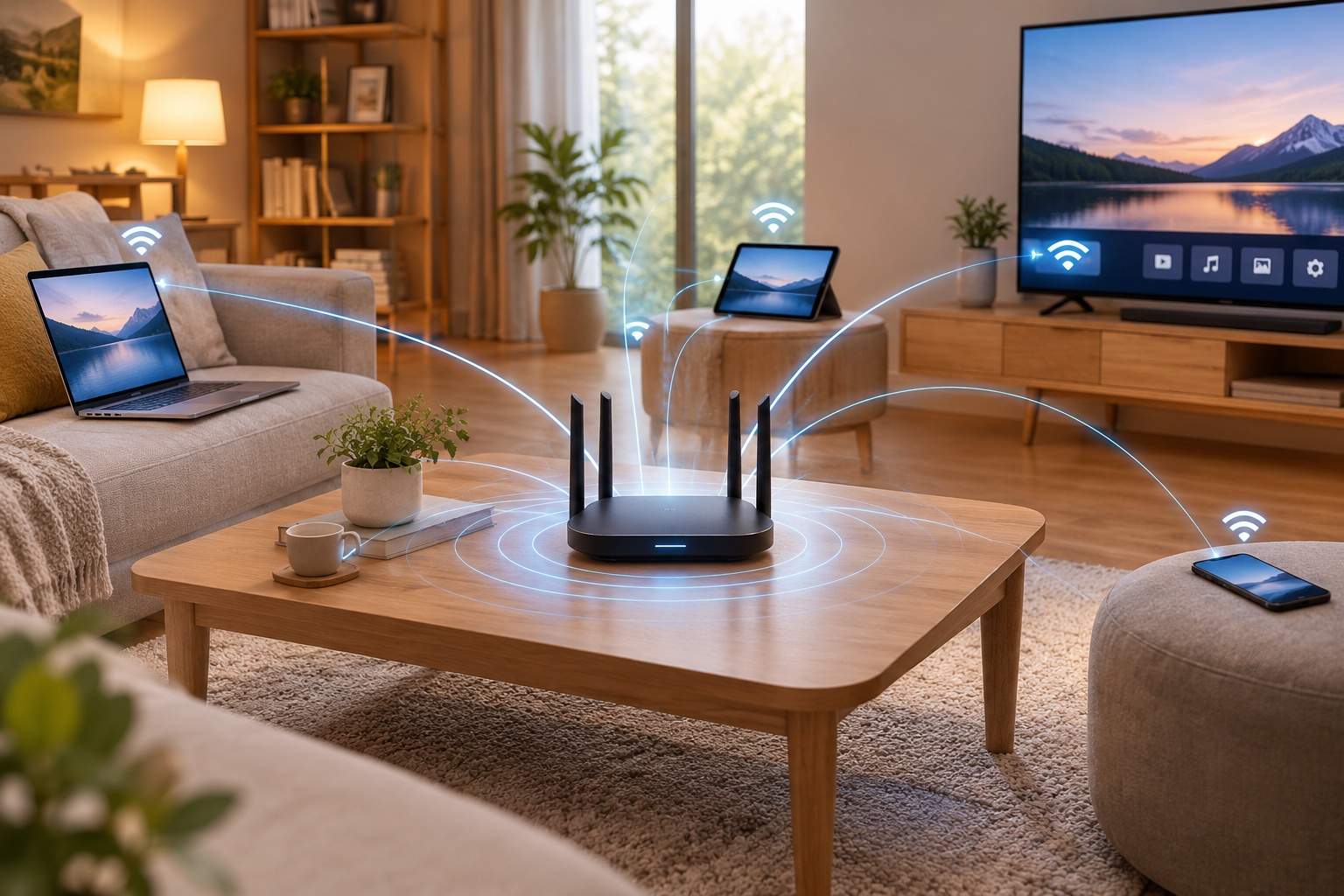
Now, let's talk about the prodigal child: Wi-Fi. It’s grown up. The latest standard, Wi-Fi 6 (802.11ax), isn't just a bump in speed; it's a complete rethink of how wireless networks manage traffic. While the theoretical peak of 9.6 Gbps is shared across all devices, real-world single-device performance on a good Wi-Fi 6 router can comfortably hit 1 to 2 Gbps in optimal conditions.
What does that mean for you? Imagine a bustling digital household where your kids are gaming, you're on a video call, and your partner is streaming 4K content, all simultaneously, without a single hiccup. Older Wi-Fi was like a single-lane road where everyone had to take turns. Wi-Fi 6, thanks to technologies like OFDMA and MU-MIMO, creates multiple efficient "lanes" and intelligently directs traffic, drastically reducing congestion and improving overall household performance, not just peak individual speed. This means your devices get consistent, fast service, even when your network is busy.
Mesh Wi-Fi Systems: Eradicating Home Network Dead Zones
For larger homes or those with tricky layouts, a single router, wired or wireless, often struggles. This is where mesh Wi-Fi systems shine. Instead of one central broadcast, mesh uses multiple nodes strategically placed throughout your home, creating a unified, seamless network.
Think of it as having multiple small, smart Wi-Fi access points that all work together under one network name. As you move from your living room to your bedroom, your device automatically connects to the strongest signal without you ever noticing. This intelligent routing often delivers a more consistent, faster experience across your entire home than a single, powerful router struggling to penetrate multiple walls and floors, or even a wired connection that only serves one specific corner.
Gaming Latency Myths: Wired vs. Wireless Real-World Speed
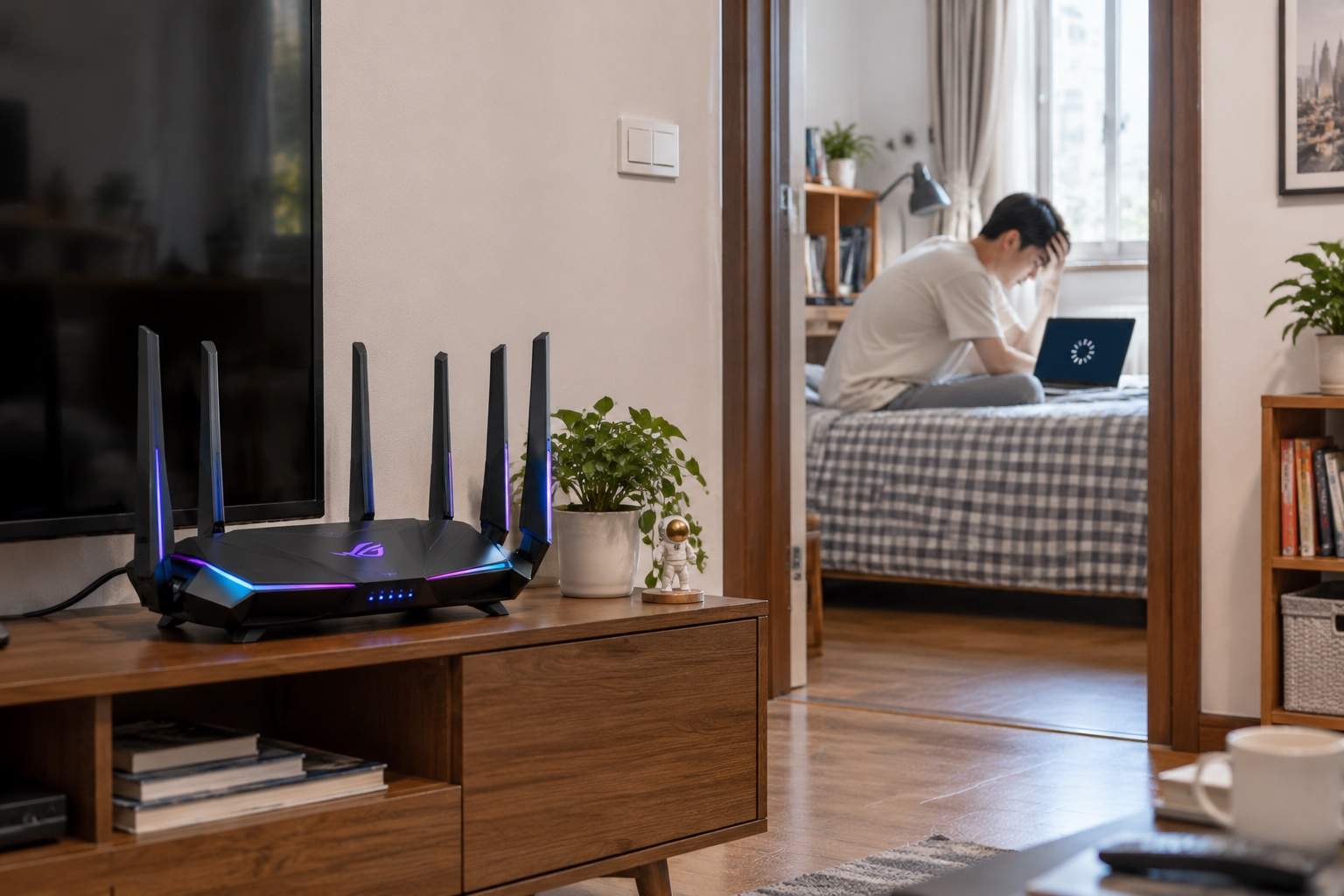
"But what about gaming latency?" I hear you ask, conjuring images of pixelated lag monsters. Yes, technically, a direct Ethernet cable can offer slightly lower latency – often 1-5 milliseconds (ms) compared to Wi-Fi's 5-15 ms. For professional eSports players competing at LAN events, every millisecond counts.
However, for 99% of us, playing online, the real bottleneck isn't usually your home network. It's the internet itself. Your ping to a game server across the country, or even just across town, will typically be anywhere from 20 to well over 100 ms. That marginal 5 ms difference between wired and wireless within your home simply gets swallowed up by the much larger internet latency. For 4K streaming, which requires about 25-50 Mbps, modern Wi-Fi 6 provides ample bandwidth, and the slight latency difference is imperceptible because streaming involves buffering, not real-time reaction.
Your Home Network Blueprint: When to Wire, When to Ditch Cables
So, when should you stick with those cables, and when is it time to embrace the freedom of modern wireless?
Go Wired If You:
- Have a dedicated, always-on server, a professional video editing workstation frequently moving terabytes of local data, or are a competitive LAN gamer.
- Possess a multi-gigabit internet connection (2.5Gbps, 5Gbps, or 10Gbps) and have compatible devices and switches to match.
- Are certain your cabling is high-quality Cat6a/7 and professionally installed to prevent performance degradation. For these niche, high-demand scenarios, the absolute stability and raw throughput of a meticulously managed wired connection remain unparalleled.
Embrace Wireless If You:
- Mostly stream 4K content, engage in video calls, browse the web, and play casual to moderately competitive online games.
- Value flexibility, mobility, and a clutter-free living or working space.
- Have invested in a modern Wi-Fi 6 router, or even better, a mesh Wi-Fi 6 system for expansive coverage. For the vast majority of households, the convenience, coverage, and real-world performance of a well-configured modern wireless network will meet or exceed your everyday needs.
Optimizing Wireless Coverage: Smart Tips for Peak Performance
If you're leaning wireless (and you should for most scenarios), a few simple steps can unlock peak performance:
- Central Placement: Position your main router in an open, central location, away from obstructions and other electronics.
- Channel Check: Use your router's app or a Wi-Fi analyzer tool to find and select less congested channels.
- Firmware Updates: Always keep your router's firmware updated for security and performance enhancements.
- Device Updates: Ensure your client devices (laptops, phones) have up-to-date Wi-Fi drivers.
Smart Tech Choices: Unlocking True Home Efficiency and Productivity
As your "efficiency mentor," my goal isn't to sell you more gear, but to help you cut through the noise and make truly smart choices. Don't fall prey to outdated assumptions or marketing jargon. Your home network is only as strong as its weakest link, which could be your internet service provider's speed, your router's capabilities, or even those "invisible" bottlenecks in your cable runs.
Before you invest another minute in snaking wires, take a moment to honestly evaluate your actual usage patterns. For most modern homes, the sheer convenience, expanding coverage, and impressive real-world performance of Wi-Fi 6 and mesh systems make them not just viable alternatives, but often the superior and more pragmatic choice for enhancing your quality of life and work productivity. Let technology truly serve you, not dictate how you live.