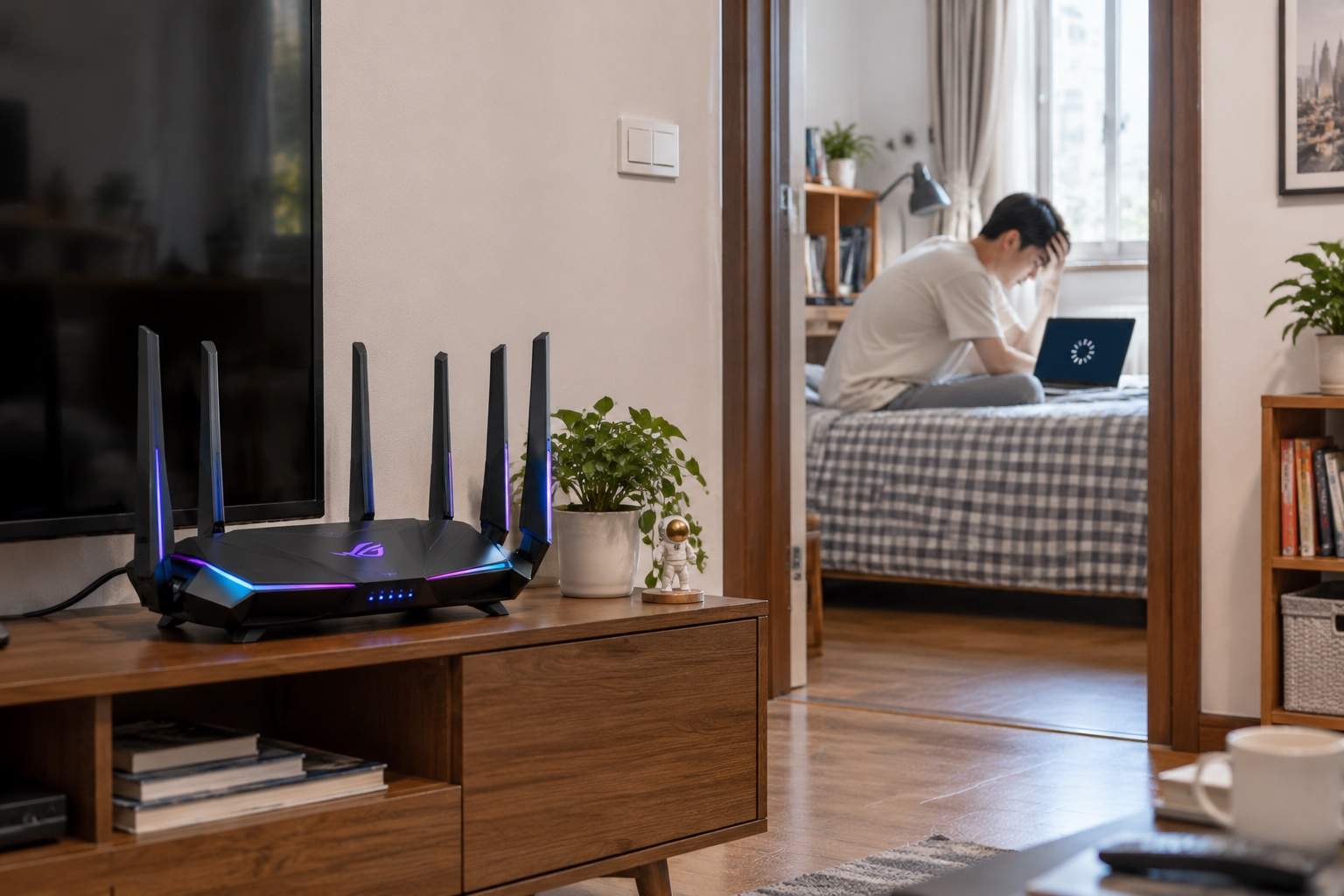
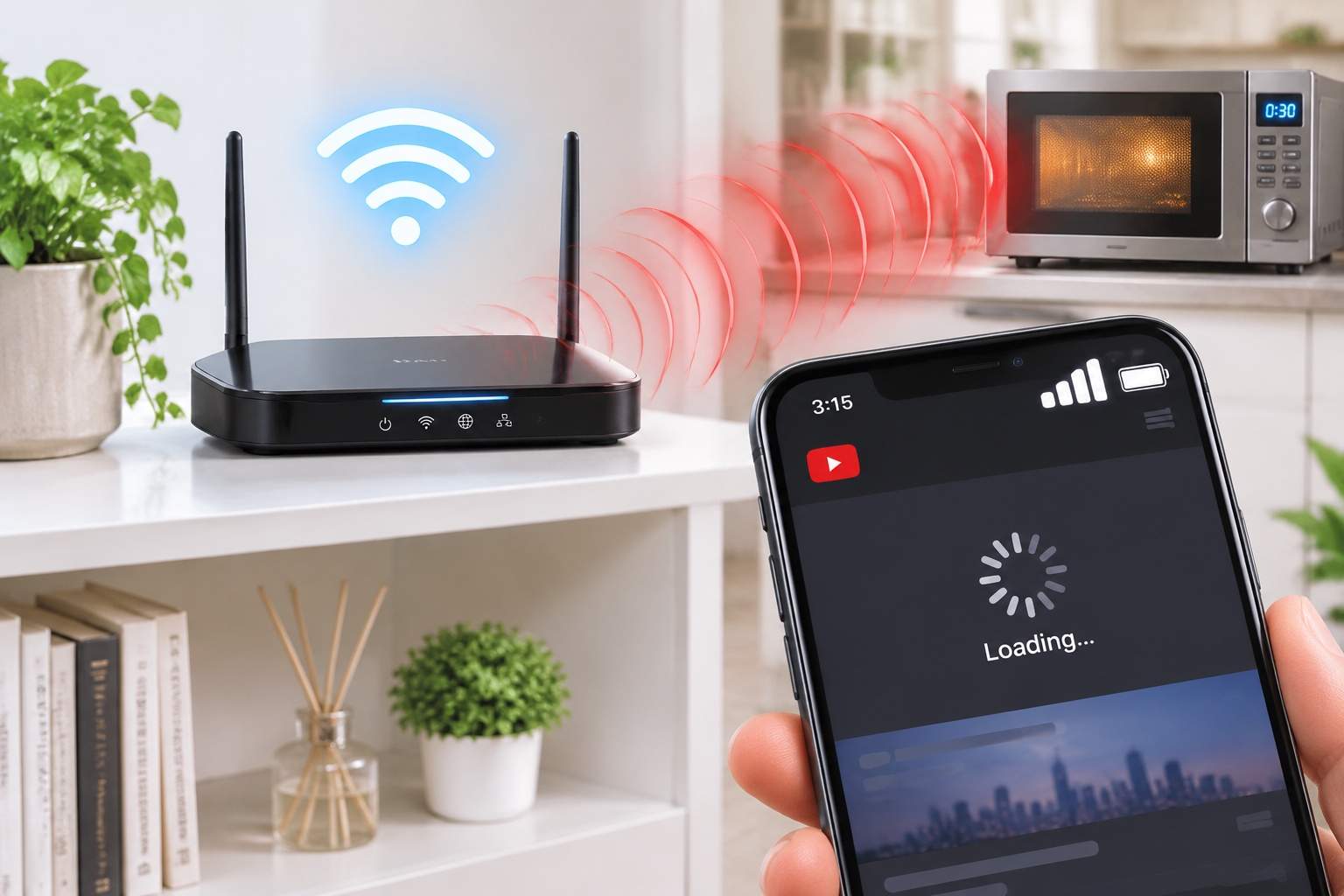
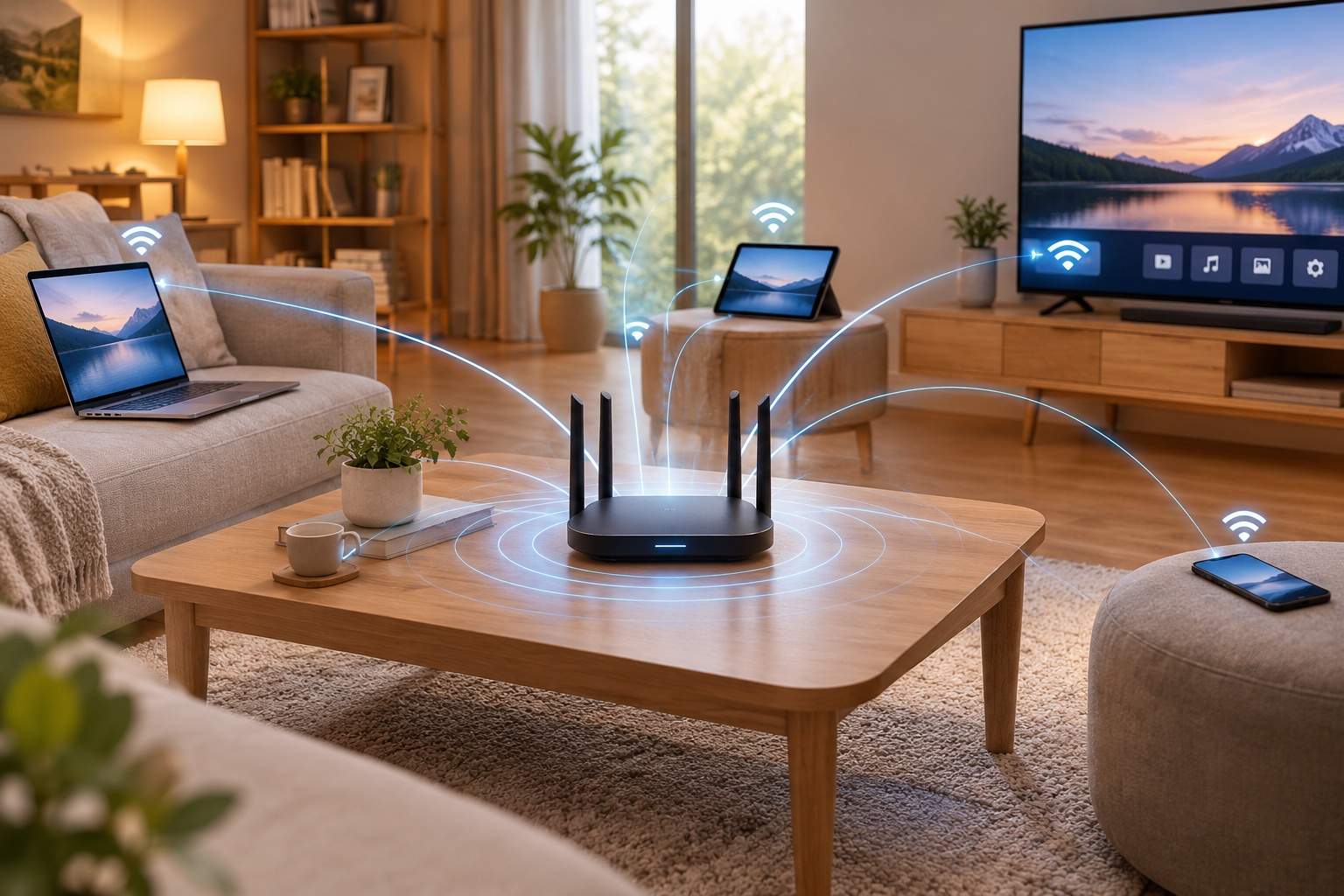
You’re on an important video call, pacing around your kitchen or trying to relax with a 4K movie in bed, when suddenly the video freezes, audio drops, or it completely disconnects. Exasperated, you rush back to the living room, only for everything to work perfectly again.
E.g. :Smart Home IoT: The Invisible Costs of Effortless Living
- 1、The Myth of the Mighty Single Router
- 2、Your Home's Hidden Wi-Fi Obstacle Course
- 3、The Mesh Wi-Fi Revolution: Smart Distribution
- 4、Strategic Placement and Ethernet Backhaul
- 5、Making the Right Choice: Your Wi-Fi Efficiency Mentor
The infuriating experience of paying for premium "gigabit" internet and buying an expensive, supposedly "powerful" router, yet still suffering from maddening Wi-Fi dead zones and inconsistent speeds in your own home, making work-from-home and entertainment a constant battle. This isn't your internet service provider's fault. You've been sold a myth.
The Myth of the Mighty Single Router
Many believe that a single, powerful, centrally located router is the silver bullet for robust, whole-home Wi-Fi. In an ideal, open-plan, single-room world, maybe. But for most modern homes – with walls, floors, appliances, and a dozen connected devices – this setup actually creates more problems than it solves. It’s like trying to light up an entire house with one incredibly bright flashlight in the living room; some areas will be blinding, others plunged into shadow.
Your Home's Hidden Wi-Fi Obstacle Course
Wireless signals, like any radio wave, hate obstacles. A typical Wi-Fi signal can lose 30-50% of its strength passing through just two standard drywall or wood walls. Throw in concrete, brick, or even large metal appliances like a refrigerator, and that signal can plummet by 70% or more. Your "powerful" router might blast a strong signal, but it’s still getting blocked, absorbed, or reflected into oblivion before it reaches your bedroom or home office.
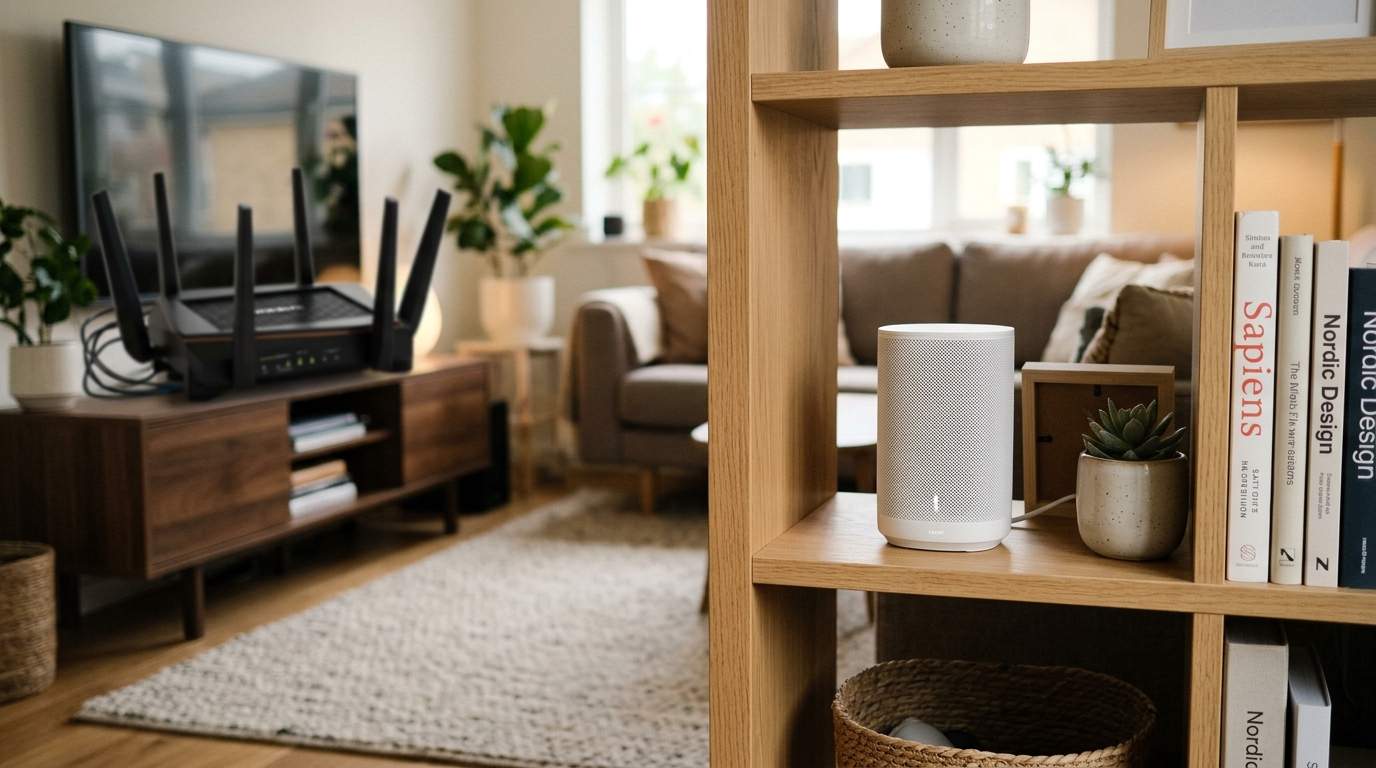
Consider a real-world example: a family in a 2,500 sq ft, two-story house with a "gigabit" internet plan. Their high-end router, placed in the living room, delivers a blistering 900 Mbps nearby. However, in the upstairs master bedroom, it barely scrapes 80 Mbps, dropping to under 20 Mbps in the furthest corner. That's a staggering 90% performance loss, not due to the ISP, but due to physical barriers.
Why "More Power" Isn't the Answer
Often, boosting a router's power just means a stronger signal at the source. This can lead to more interference with other networks in dense urban areas, and crucially, your device still needs to transmit back to the router. A powerful router doesn't give your phone or laptop a stronger antenna to send its signal back across the house. Wi-Fi isn't a one-way street; it's a conversation.
The Mesh Wi-Fi Revolution: Smart Distribution
Instead of one powerful central point, imagine a network of smaller, intelligent Wi-Fi hubs working together to blanket your entire home. That's a Mesh Wi-Fi system. These units, called nodes or satellites, communicate with each other, creating one seamless, unified Wi-Fi network. As you move through your home, your device automatically connects to the node with the strongest signal, often without you even noticing.
Mesh systems offer incredible flexibility. They allow for optimal router placement across your home, bypassing obstacles. For a multi-story home, you might place one node upstairs and another downstairs, ensuring consistent performance. For a sprawling single-story house, nodes can be strategically placed to cover distant wings or outdoor areas.
Mesh vs. Extenders: Why One Wins
You might think Wi-Fi extenders solve the problem, but they're often a band-aid. An extender simply repeats an already weak signal, effectively creating a separate, slower network. It's like asking someone with a quiet voice to shout a whisper. A mesh system, by contrast, creates an intelligent, unified network where nodes cooperate, often using dedicated "backhaul" channels to maintain speed and reliability.
Strategic Placement and Ethernet Backhaul
The beauty of a mesh system lies in its design and flexibility. Most mesh nodes are sleek, minimalist devices that blend into your home decor, unlike the often aggressive, multi-antenna design of traditional routers. Their discreet presence allows for optimal placement without being an eyesore.
For maximum home network performance, especially in larger homes or for bandwidth-intensive activities like online gaming or streaming multiple 4K videos, consider mesh systems that support Ethernet backhaul. This means connecting your mesh nodes to each other via an Ethernet cable, creating a wired highway for data. This bypasses wireless congestion entirely, guaranteeing the fastest, most reliable connection possible between your nodes and to your primary router.
Making the Right Choice: Your Wi-Fi Efficiency Mentor
The goal isn't just "faster" internet; it's reliable internet everywhere you need it. For most homes larger than 1,000 sq ft, or those with multiple floors and a growing number of smart devices, a single router – no matter how "powerful" – will struggle. If you’re tired of Wi-Fi dead zones, inconsistent speeds, and blaming your ISP, it’s time to look at your router strategy.
A mesh Wi-Fi system isn't just an upgrade; it's a fundamental shift towards truly efficient home network performance. It ensures that the gigabit internet you pay for actually reaches every corner of your home, allowing technology to serve you, not frustrate you.