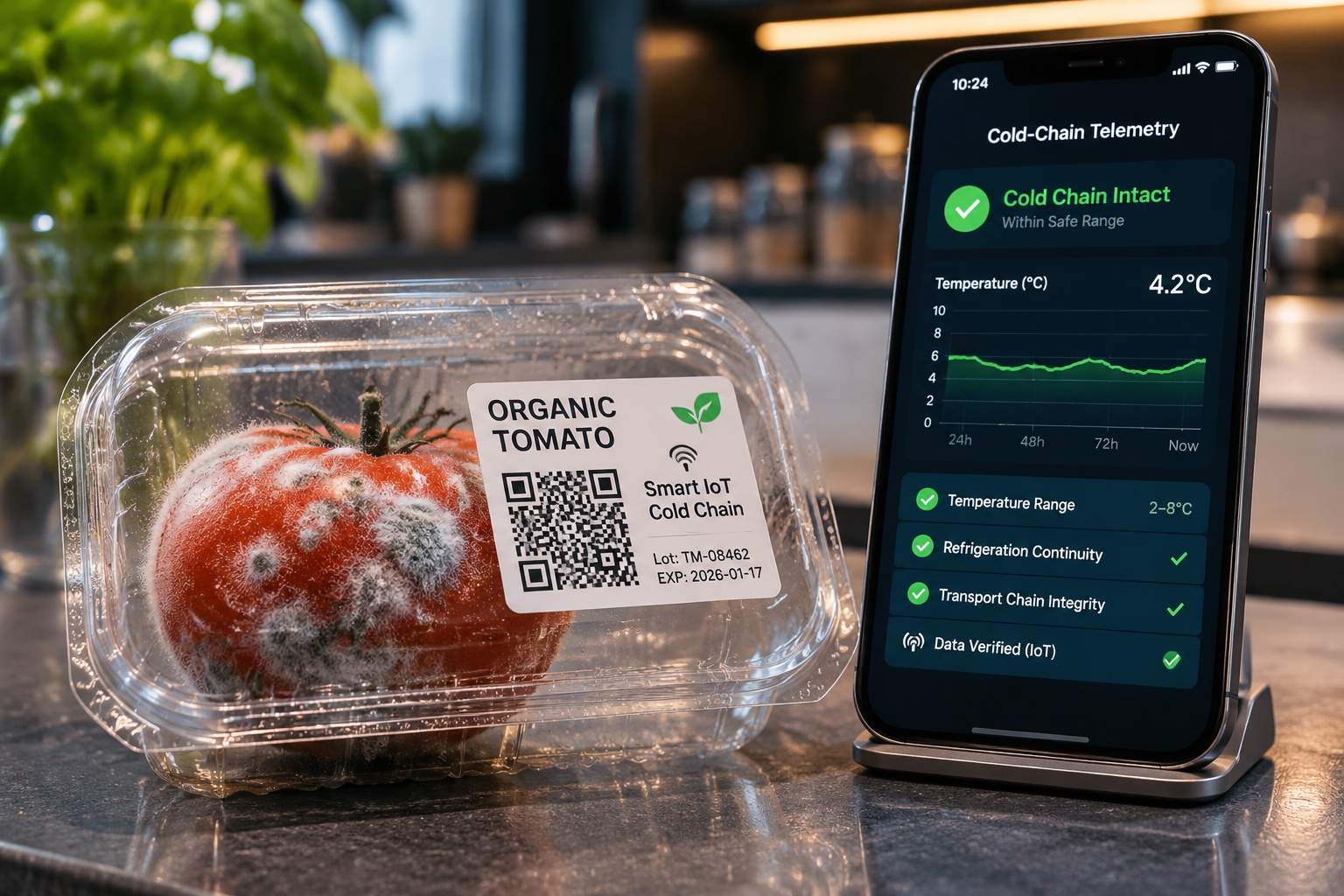
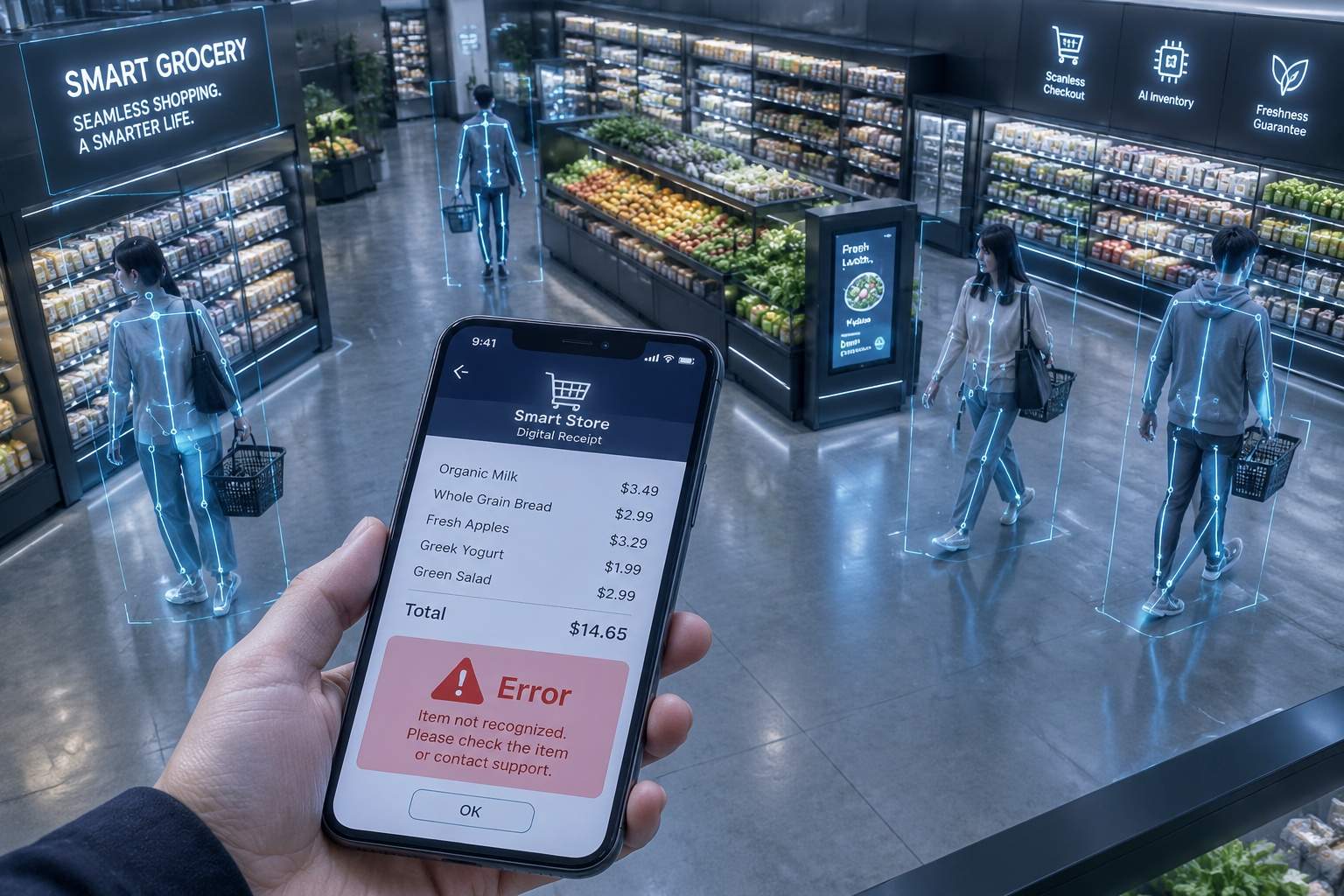
You walk into your home. Lights adjust, the thermostat sets itself, and your favorite playlist begins. It’s the seamless, almost magical promise of the smart home, delivering convenience without a thought. Until it doesn't. Your smart speaker recorded a private conversation. Your "smart" coffee maker won't brew because the app is down. Or, more disturbingly, your robot vacuum sends a detailed map of your entire home to a third-party server.
E.g. :Your Smart Mattress is Leaking Sleep Data to Your Insurance Broker
- 1、The Illusion of Smart Home Convenience
- 2、IoT Security Flaws: Beyond the App Crash
- 3、The Erosion of Autonomy: Who Controls Your Smart Home?
- 4、Navigating the Connected Labyrinth: Practical IoT Security
This isn't an isolated incident; it’s the quiet hum beneath the hype. The Internet of Things in our homes promises liberation from mundane tasks, selling us on efficiency and comfort. Yet, for many, this perceived effortlessness comes with a gnawing suspicion: what are the hidden costs of this constant connectivity?
The Illusion of Smart Home Convenience
The initial appeal of a smart home is undeniable. Automation streamlines daily routines, saves energy, and provides an unprecedented level of control, often from miles away. This ecosystem, built on interconnected devices, sensors, and cloud intelligence, feels like a futuristic butler. It’s designed to learn your habits, anticipate your needs, and ostensibly, simplify your life. However, this intelligent service extracts a toll, one often overlooked in the pursuit of convenience.
Your Data, Their Business: Smart Home Privacy Breaches
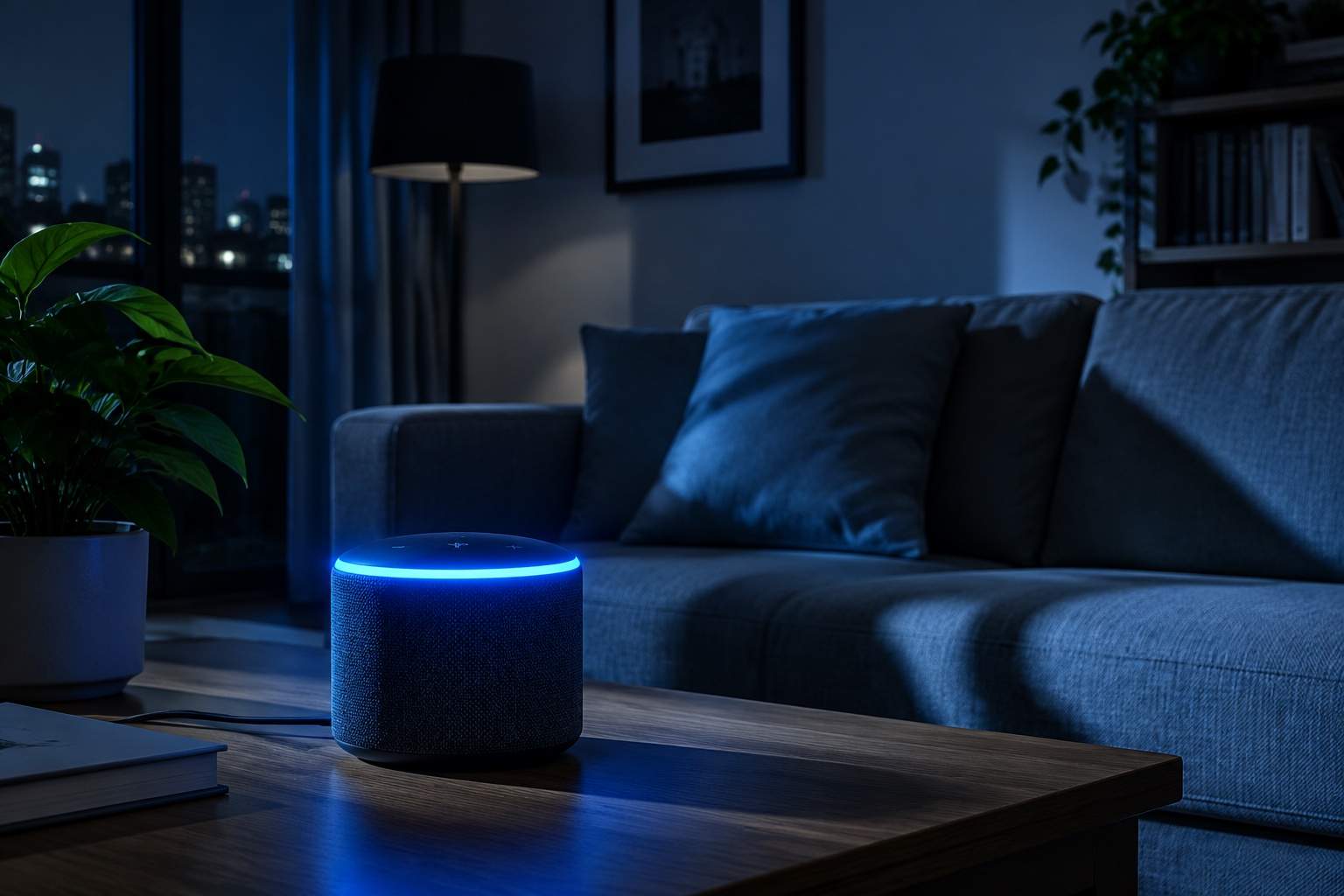
Every interaction with a smart device is a data point. Your smart speaker doesn't just hear commands; it records speech patterns, conversation snippets, and ambient sounds. Your smart camera isn't just security; it’s an always-on observer. This torrent of personal data, often collected with minimal transparency, becomes a valuable asset for companies. It's analyzed, aggregated, and frequently shared or sold to third parties, turning your living space into a data farm. The convenience of anticipating your needs can quickly morph into the discomfort of feeling constantly monitored, where your personal preferences and intimate moments are cataloged for commercial gain.
IoT Security Flaws: Beyond the App Crash
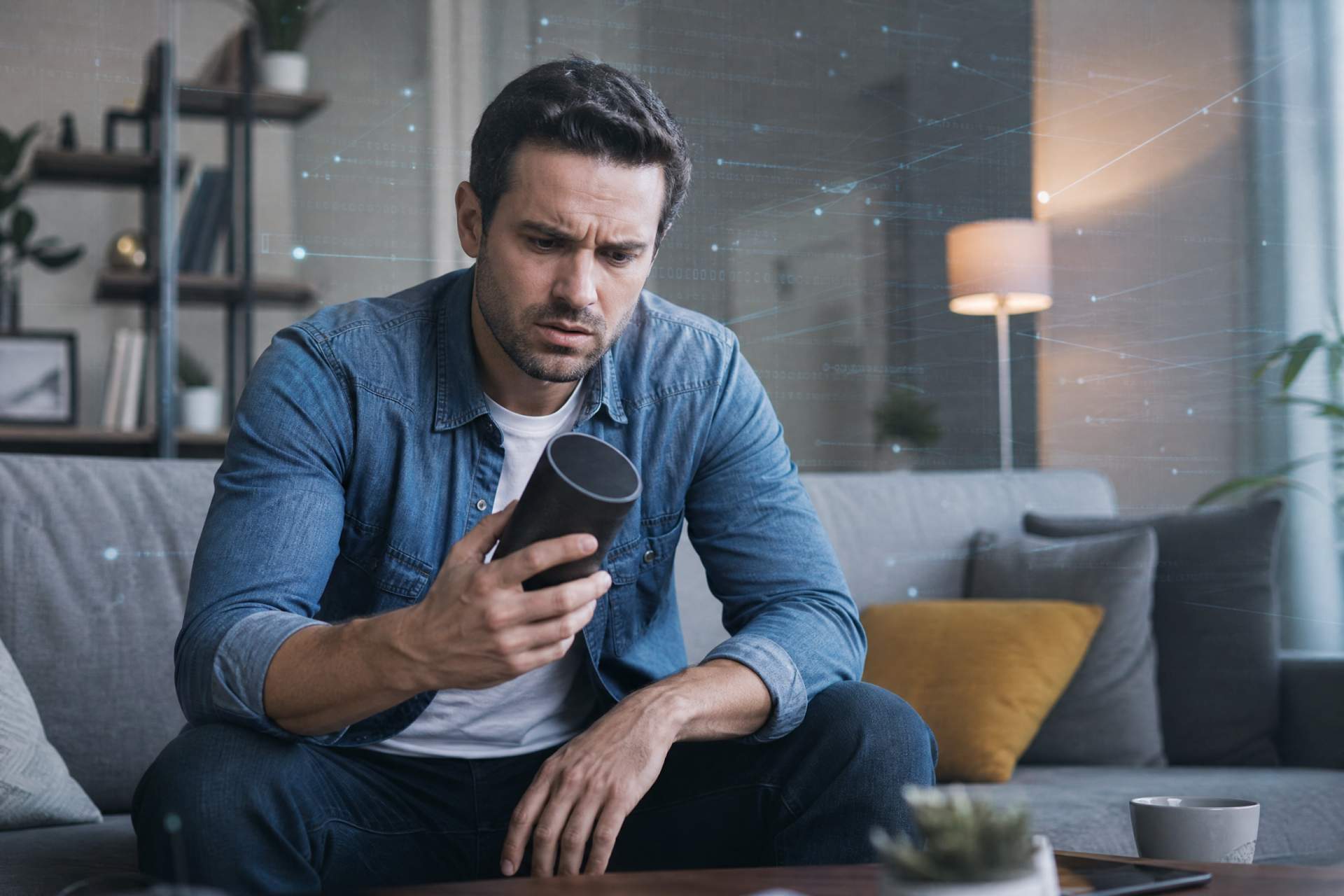
Beyond privacy, the structural integrity of your digital home is often surprisingly fragile. The "app is down" scenario, while frustrating, is merely a symptom. The real threat lies in the inherent vulnerabilities of many IoT devices. Weak default passwords, unpatched firmware, and poorly secured network protocols are not exceptions; they are disturbingly common. Each connected device, from a smart bulb to a garage door opener, represents a potential entry point for malicious actors. An unsecured smart camera, for instance, offers a direct window into your home, not just for you, but for anyone who exploits its flaws. This isn't theoretical; it’s a constant battleground for cybersecurity experts and a looming threat for every smart homeowner.
The Fragility of Smart Device Reliability
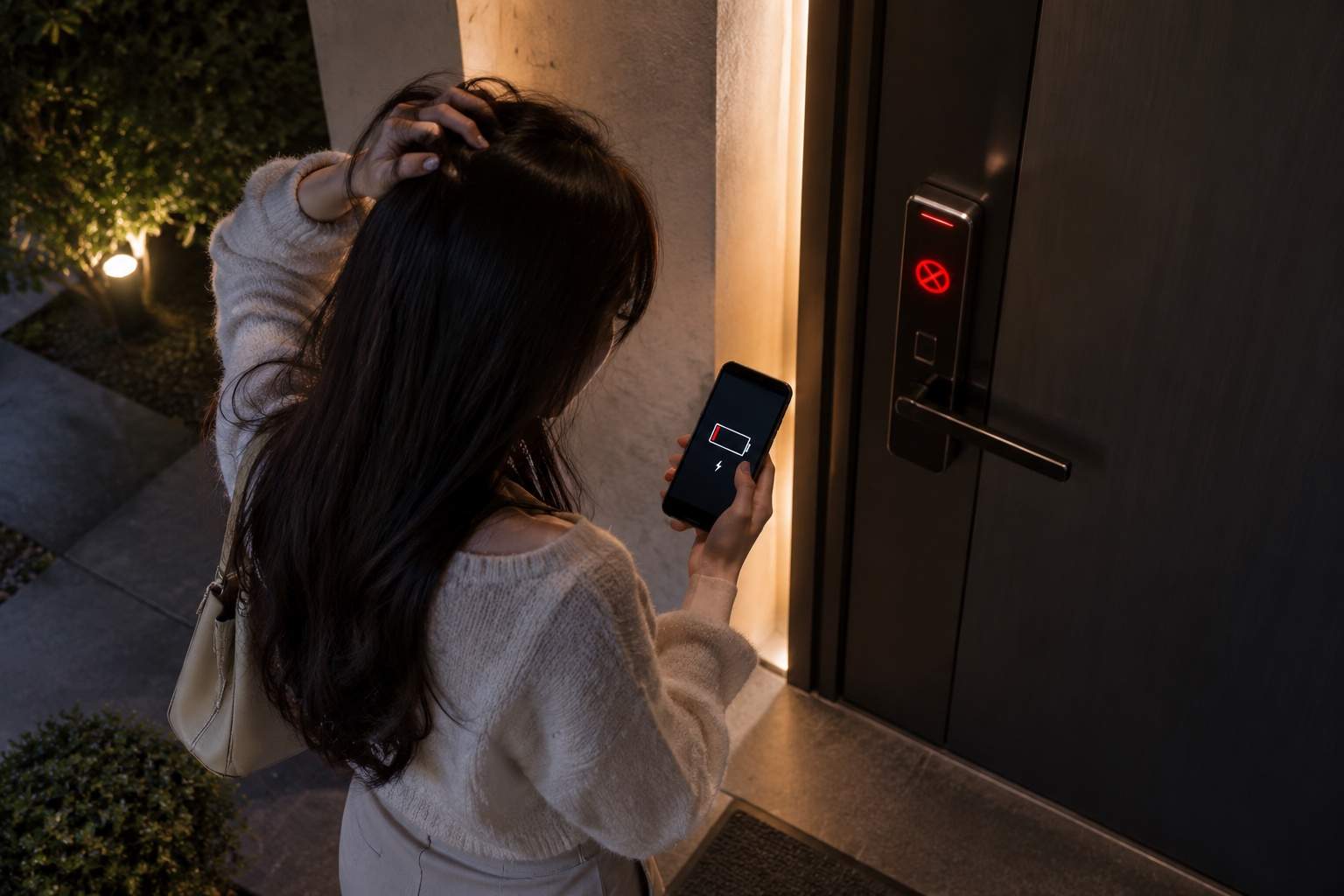
The touted reliability of smart homes often crumbles under real-world conditions. What happens when your internet goes out? Or the manufacturer decides to discontinue cloud support for an older device? Basic functions, once simple manual tasks, become entirely dependent on a complex chain of software, hardware, and network connectivity. That "smart" light switch can become useless without Wi-Fi, leaving you fumbling in the dark. This over-reliance not only creates frustration but highlights a critical question: are we sacrificing fundamental control over our environments for features that might not always work, or worse, might cease to function entirely?
The Erosion of Autonomy: Who Controls Your Smart Home?
The promise of smart technology is empowering, yet it subtly shifts control away from the individual. We're becoming accustomed to delegating basic household functions to algorithms and voice commands. When the technology falters, or simply doesn't understand, we often find ourselves helpless. Are we, as 'smart' homeowners, becoming less capable of managing basic household functions without relying on an app or a voice command? This dependency cultivates a form of digital learned helplessness, where immediate manual intervention feels increasingly alien.
Predictable Data Points: The Price of Anticipation
A smart home's ability to anticipate your needs is predicated on its ability to learn your habits. The perfect temperature, the timely music, the automated shopping list—all are products of sophisticated data analysis. But if your 'smart' home can anticipate your needs and learn your habits, is it truly serving you, or are you becoming predictable data points in a larger, unseen network? Your daily routines, energy consumption, entertainment choices, and even your mood, are translated into actionable intelligence, primarily for corporations. This predictive power, while convenient, reduces individual agency, transforming private lives into marketable patterns.
Navigating the Connected Labyrinth: Practical IoT Security
The modern smart home is a double-edged sword. It offers unparalleled convenience but demands a new level of vigilance. To reclaim some control, homeowners must act. Vet every device for its security track record and data policies. Isolate smart devices on a separate network if possible. Regularly update firmware and use strong, unique passwords. Understand that "smart" often means "connected," and "connected" means "exposed."
The allure of the effortless smart home is potent, but the costs in personal privacy, data security, and true autonomy are substantial. The real magic lies not in blindly embracing every new gadget, but in critically evaluating what control and data we are truly willing to compromise for convenience.