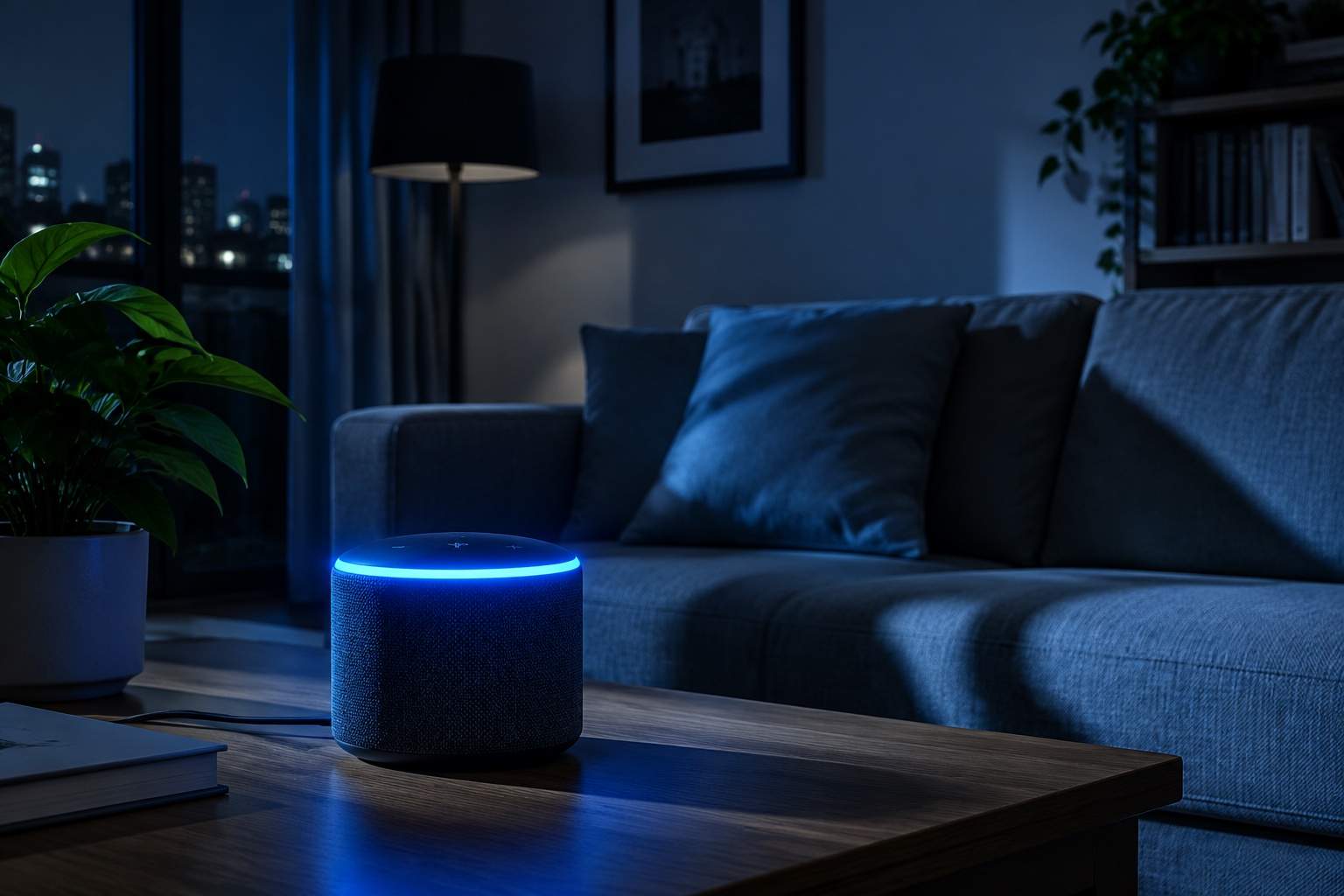
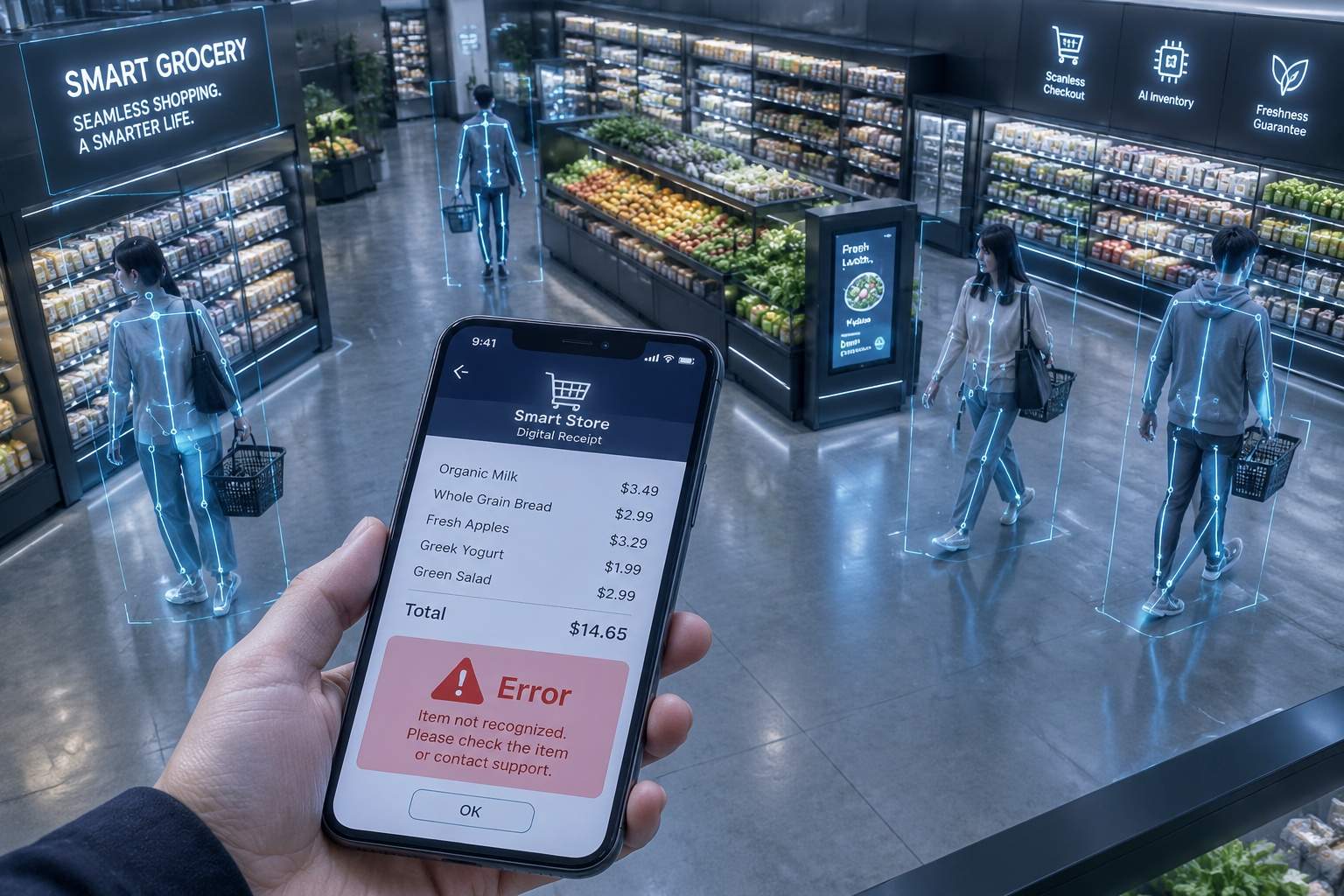
You arrive home, exhausted. Before a word escapes your lips, the smart home acts: lights dim to a preferred glow, soft music plays, the thermostat adjusts to your ideal temperature. This isn't science fiction; it's the promise of modern smart home automation. But beneath this veneer of effortless convenience lies a critical, unsettling question: when your environment flawlessly anticipates your every need, are you empowered, or are you subtly ceding control?
E.g. :Generative AI: Creativity's New Dawn, or Copyright's Digital Dilemma?
- 1、The Illusion of Effortless Living: Smart Home Automation's Hidden Cost
- 2、AI Home Assistant: Anticipation or Algorithmic Overreach?
- 3、Data Privacy in Connected Devices: Your Home, Their Data Mine
- 4、The Digital Footprint Dilemma: Trading Convenience for Control
- 5、Reclaiming Agency: Navigating IoT Security Challenges
The smart home market, projected to reach hundreds of billions, thrives on this allure of efficiency and personalization. AI home assistants learn patterns, optimize energy, and streamline routines. The mechanism? An intricate web of connected devices constantly collecting data – your habits, preferences, presence. This data feeds algorithms that, in turn, make decisions on your behalf. The promise is a life optimized. The reality is often a negotiation between comfort and autonomy.
The Illusion of Effortless Living: Smart Home Automation's Hidden Cost
The seamless environment engineered by smart home automation is seductive. Lights adjust based on circadian rhythms, not your conscious input. Thermostats learn occupancy patterns, setting temperatures before you even consider it. While advertised as liberating, this continuous 'optimization' often bypasses conscious decision-making. Your preference becomes a data point, an input for an algorithm, rather than an active choice.
Beyond Convenience: The Decision-Making Erosion
This constant pre-emption dulls agency. Over time, individuals may find their muscle for simple environmental adjustments atrophying. The subtle erosion isn't about being forced; it's about being so perfectly accommodated that the need to decide vanishes. Is a truly "smart" home one where you are the master, or merely a highly accommodated occupant within a system that knows you better than you know yourself?
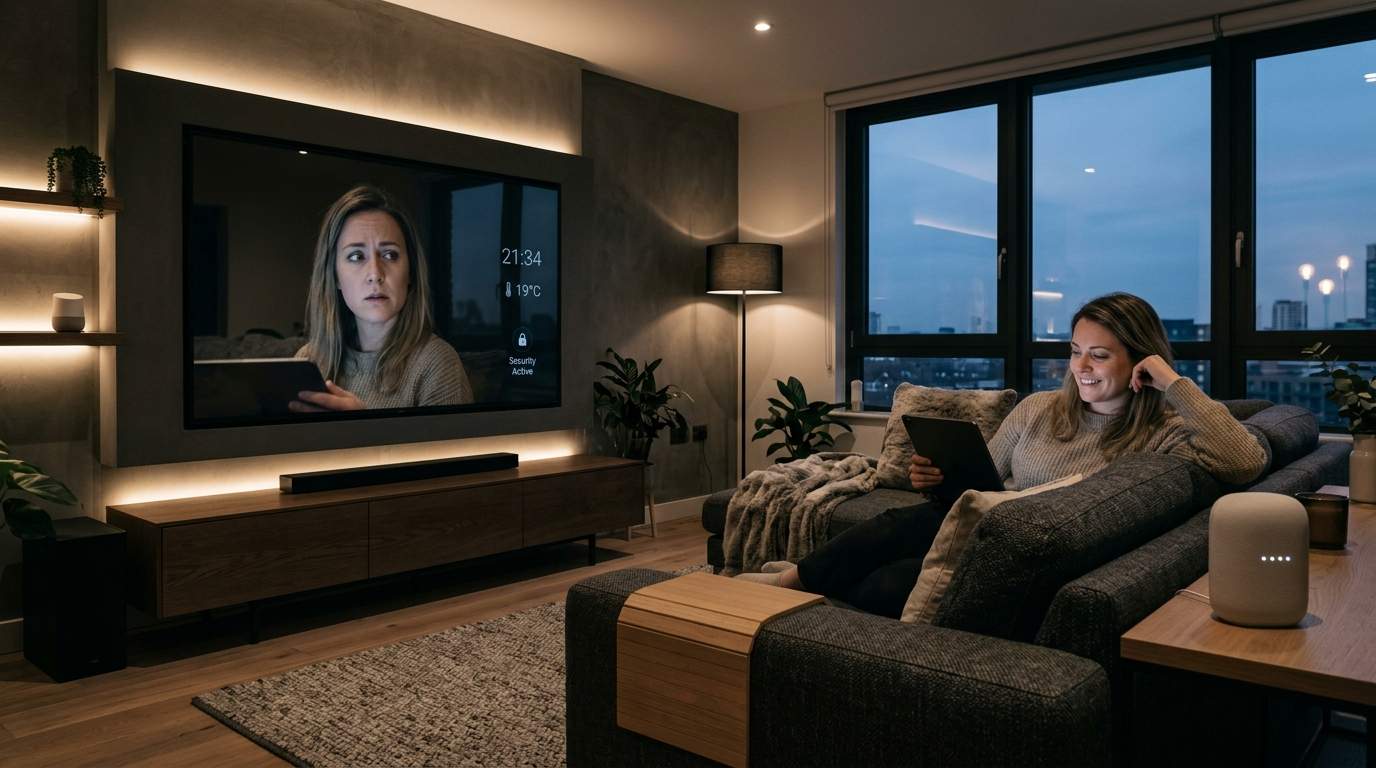
AI Home Assistant: Anticipation or Algorithmic Overreach?
Voice assistants are the public face of AI home assistance. They respond to commands, but their true power lies in silent observation. They map speech patterns, interpret intent, and cross-reference with other connected devices. The system builds a comprehensive digital footprint of your life. When an AI 'anticipates' your mood with music, it’s not intuition; it's advanced pattern matching from countless prior interactions. The line between helpful suggestion and algorithmic dictation blurs rapidly.
Data Privacy in Connected Devices: Your Home, Their Data Mine
Every connected device, from smart doorbells to intelligent refrigerators, generates data. This data, often encrypted, is transmitted to cloud servers for processing. The sheer volume creates an unprecedented personal dossier. This isn't just about what time you wake up; it's about your health metrics, visitors, consumption habits, even intimate conversations. The question isn't if this data is collected, but who owns it, how it's protected, and for what purpose it can be used beyond your immediate benefit.
Unseen Hands: Data Exploitation & IoT Control
The terms of service, often unread, grant companies broad rights to anonymize, aggregate, and monetize this data. This transforms your private living space into a data collection node for commercial interests, or worse, a vulnerability. The true cost of convenience surfaces when personal data becomes a commodity, or a vector for security breaches, extending corporate or even external control into the heart of your home.
The Digital Footprint Dilemma: Trading Convenience for Control
The allure of a frictionless existence is strong. However, every automated action, every preference learned by your smart home, expands your digital footprint. This footprint paints an ever-more detailed picture of your life, accessible to various entities. The dilemma is stark: how much personal information are you willing to surrender for the promise of a perfectly tailored environment? This trade-off often goes unexamined until a breach occurs, or a personalized ad based on an overheard conversation feels unnervingly intrusive.
Reclaiming Agency: Navigating IoT Security Challenges
For practitioners and users alike, understanding the architecture of smart home systems is crucial. It demands proactive engagement: scrutinizing privacy policies, segmenting home networks, and demanding transparent data practices from manufacturers. Robust IoT security isn't just about preventing hacks; it's about establishing clear boundaries for data collection and algorithmic influence. Empowering users with granular control over their data streams is no longer a luxury, but a fundamental right in an increasingly automated world.
The 'perfect' smart home is a powerful vision, yet its silent mechanisms demand constant scrutiny. Convenience should not necessitate a surrender of agency or data. True intelligence in our living spaces requires not just automation, but thoughtful human control at its core.