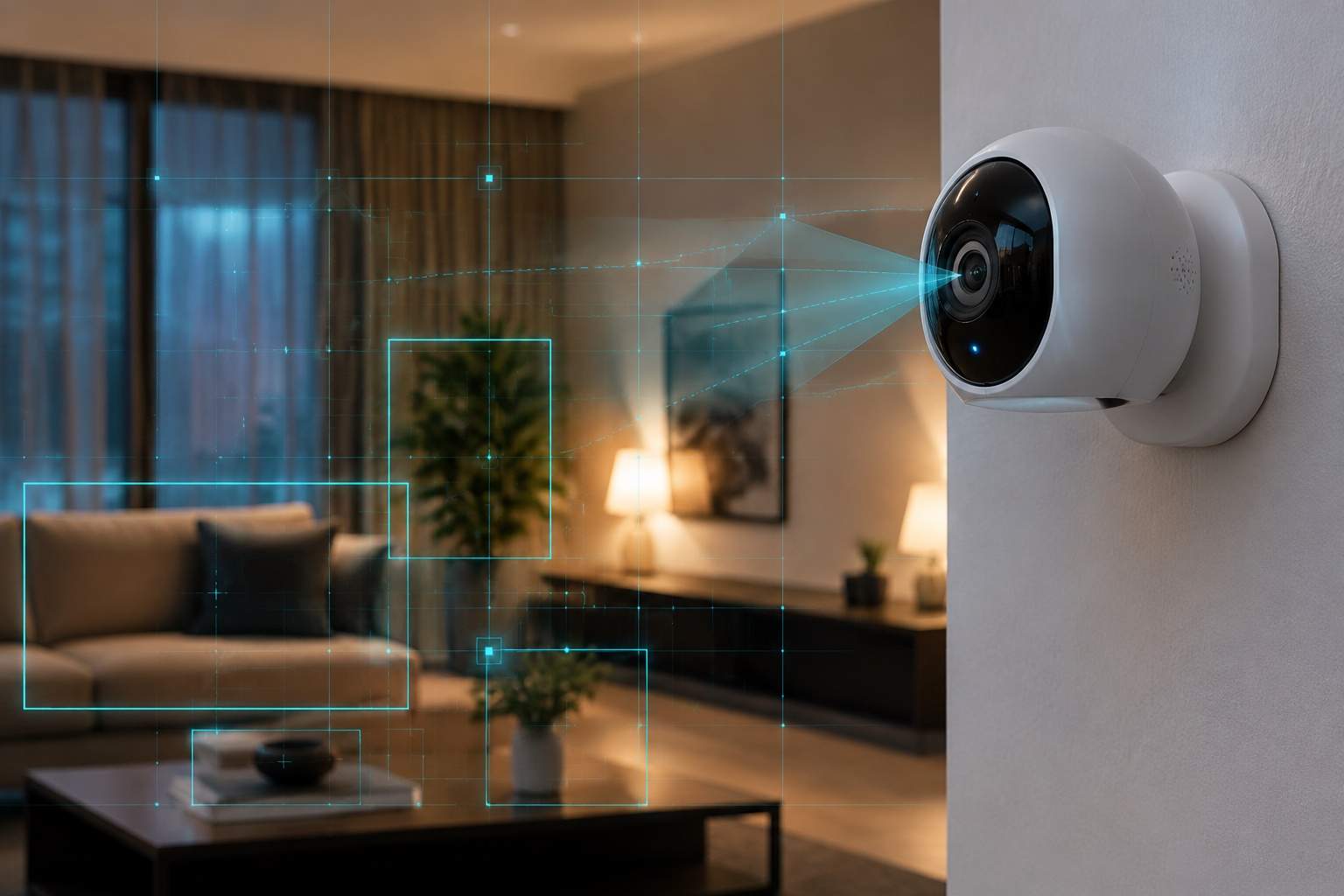
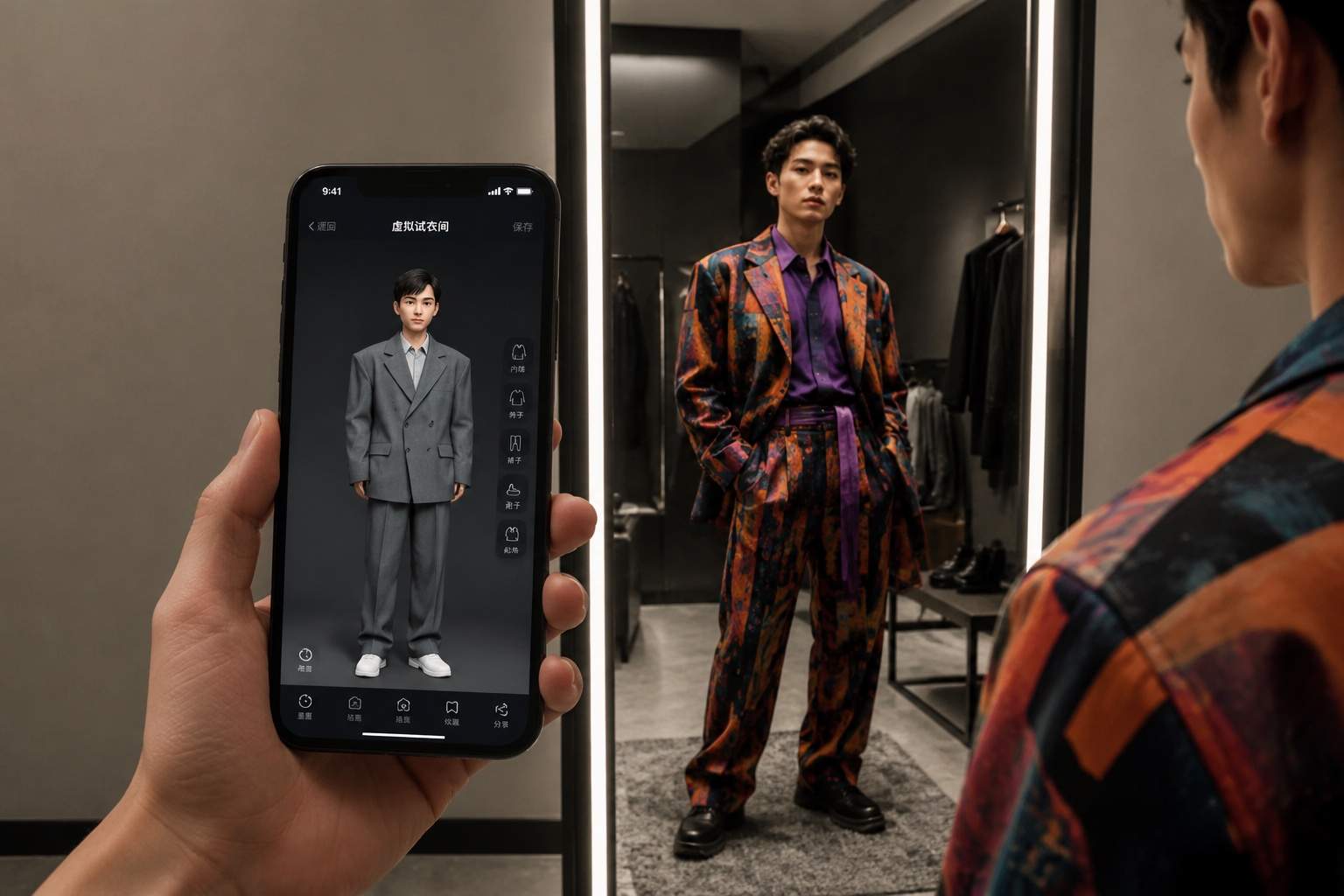
Imagine waking up to discover your unique artistic style or distinctive writing voice, cultivated over decades, has been perfectly replicated by a free online Generative AI tool. This AI, trained on vast quantities of data including your own past works scraped without consent, is now producing "new" content virtually indistinguishable from yours. Clients who once sought your original creations are increasingly turning to AI, demanding similar results for pennies, while you remain uncredited and uncompensated. This unsettling scenario, far from a dystopian fantasy, is the everyday reality for a rapidly growing segment of professional artists, writers, and musicians, forcing us to confront a profound question: is this technological leap a renaissance for human creativity or merely a resource grab cloaked in innovation?
E.g. :Smart Traffic Signals Cost Millions But Drive Cities Into Artificial Gridlock
- 1、The Generative AI Paradox: Innovation or Imitation?
- 2、Copyright's Digital Frontier: Reconsidering Intellectual Property
- 3、The Creative Economy at a Crossroads: Valuing Human Craft
- 4、The Unseen Harvest: Training Data and Consent
- 5、Charting a New Course: Safeguarding Creativity's Future
The Generative AI Paradox: Innovation or Imitation?
For many, Generative AI (GenAI) systems represent an unprecedented leap forward, promising to democratize content creation and augment human ingenuity. Industry leaders and tech evangelists champion these tools as "co-pilots" that empower users to achieve new creative heights, transforming complex ideas into tangible outputs with remarkable efficiency. Yet, beneath this veneer of limitless possibility lies a profound tension. What feels like empowerment for some registers as an existential threat for others, particularly those whose livelihoods are directly tied to the distinctiveness and originality of their creative output. The ability of algorithms to mimic and reproduce unique styles, honed over years of human effort, raises critical questions about the fundamental value of human originality itself.
Deconstructing the Algorithm: LLMs and Diffusion Models
At the heart of this revolution are technologies like Large Language Models (LLMs) and Diffusion Models. LLMs, such as those powering advanced chatbots and text generators, learn intricate patterns of language by ingesting colossal datasets of text, code, and other digital information. They don't "understand" in a human sense, but rather predict the most statistically probable sequence of words to generate coherent and contextually relevant text. Similarly, Diffusion Models, often used for image generation, are trained on vast collections of images and their descriptions. They learn to progressively remove "noise" from random data to construct images that match a given prompt, effectively "hallucinating" visuals from learned patterns. The critical commonality is their insatiable hunger for data—often trillions of data points—which forms the foundation of their "creativity."
Copyright's Digital Frontier: Reconsidering Intellectual Property
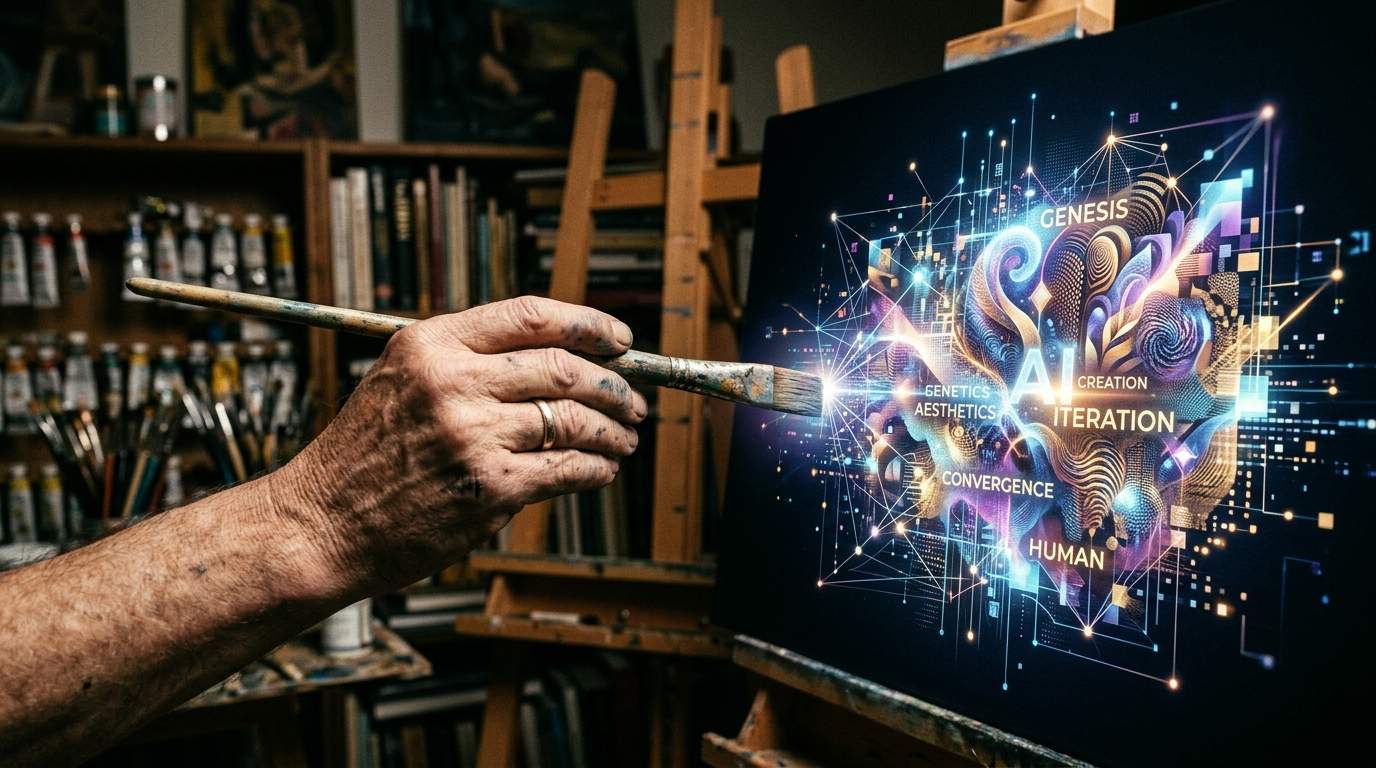
The unprecedented capabilities of Generative AI have propelled copyright law into uncharted territory, exposing the limitations of existing frameworks designed for a pre-digital age. Traditional copyright protects specific expressions of ideas, granting creators exclusive rights over their work. When an AI system produces content highly similar to existing copyrighted material, the line between inspiration, imitation, and outright infringement becomes dangerously blurred. This isn't merely about protecting a specific song or painting; it’s about safeguarding an artist’s distinctive voice, a writer’s unique narrative cadence, or a musician’s signature melodic style – elements that previously felt unreplicable.
The "Fair Use" Debate: A Legal Loopholes?
Many developers of Generative AI tools often invoke the "fair use" doctrine as a defense against claims of copyright infringement. Fair use, a nuanced exception to copyright law, allows for the limited use of copyrighted material without permission for purposes such as criticism, commentary, news reporting, teaching, scholarship, or research. Proponents argue that training an AI model on publicly available data constitutes a "transformative" use, akin to a human artist learning techniques from existing works, and is therefore permissible under fair use. However, critics contend that the massive, commercial-scale ingestion of copyrighted works to build directly competitive tools—without compensation to the original creators—stretches the definition of "transformative" beyond its intended scope, creating a potential loophole that devalues the very intellectual property it was meant to protect.
The Creative Economy at a Crossroads: Valuing Human Craft
The economic impact on the creative economy is perhaps the most immediate and tangible "digital shackle" emerging from the rise of Generative AI. With AI tools capable of producing high-volume content for fractions of a cent, the market value of human creative labor is being rapidly eroded. Freelance artists, graphic designers, illustrators, and writers are reporting a drastic decrease in commissions and a significant downward pressure on pricing, as clients opt for cheaper, AI-generated alternatives. This shift threatens the livelihoods of millions, transforming what was once a skilled profession into a commoditized service, where human creators must now compete not just with each other, but with an endless stream of algorithmically generated output.
The Unseen Harvest: Training Data and Consent
At the core of the copyright reckoning is the contentious issue of training data. Generative AI models learn by ingesting vast datasets, often compiled by scraping the internet without explicit consent from content creators. This "unseen harvest" includes everything from renowned artworks and bestselling novels to personal blogs and obscure photographs, all assimilated into the algorithm’s knowledge base. The ethical implications are profound: does the act of consuming and analyzing publicly available data grant a system the right to reproduce and monetize styles derived from it, without attributing or compensating the original sources? The lack of transparency regarding training datasets and the absence of clear opt-out mechanisms further complicate this ethical quagmire, leaving creators feeling exploited and powerless.
Charting a New Course: Safeguarding Creativity's Future
The ascent of Generative AI demands more than just legal amendments; it necessitates a fundamental re-evaluation of how we value creativity in a digital age. This isn't about stifling innovation, but about designing frameworks that ensure equitable participation and compensation for creators. Future solutions might involve robust metadata standards that tag content with usage rights, micropayment systems that compensate creators for training data use, or licensing models specifically designed for AI consumption. Ultimately, the challenge is to harness the transformative power of Generative AI while ensuring that the very human ingenuity it mimics continues to thrive, rather than being relegated to an uncompensated, uncredited past.