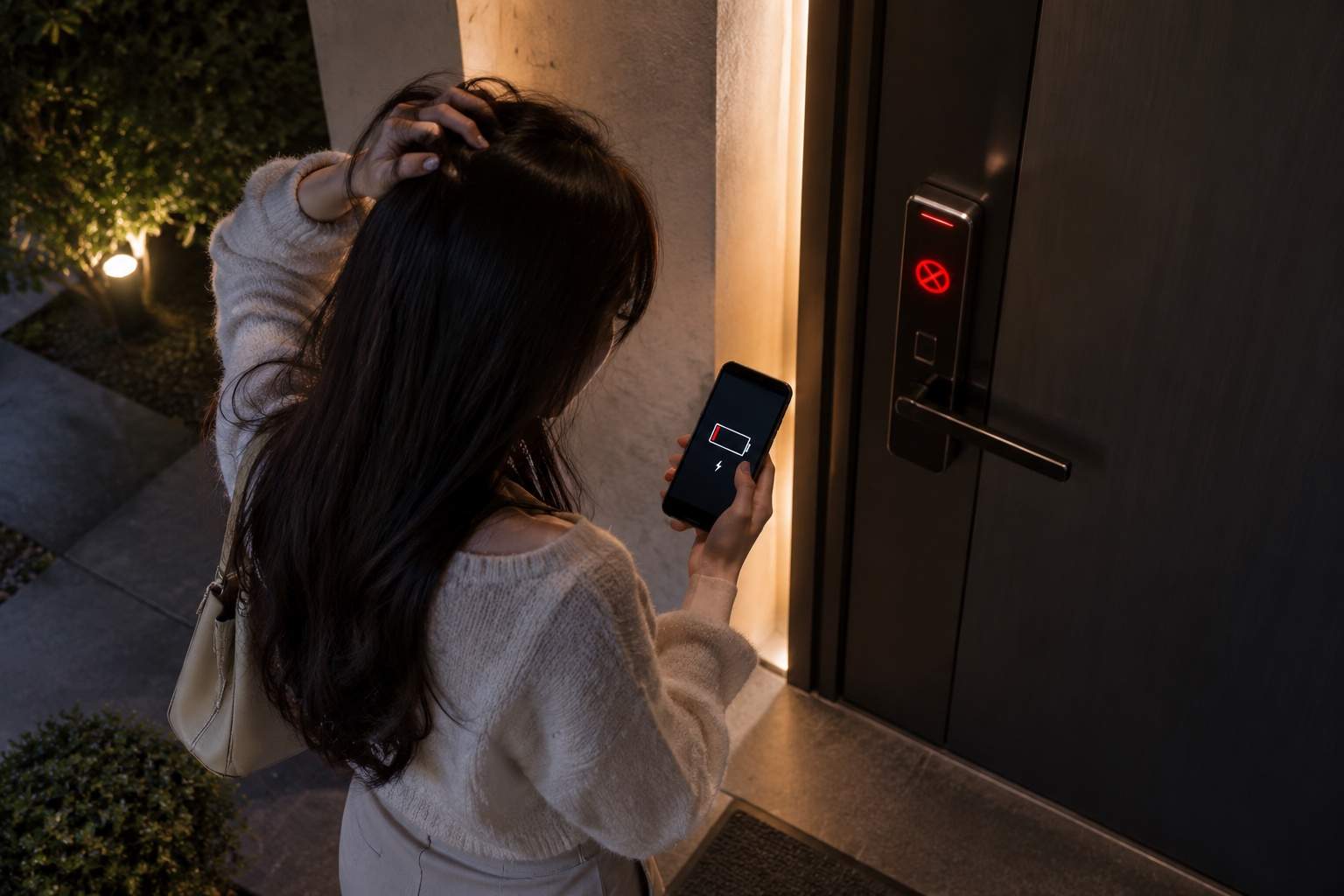
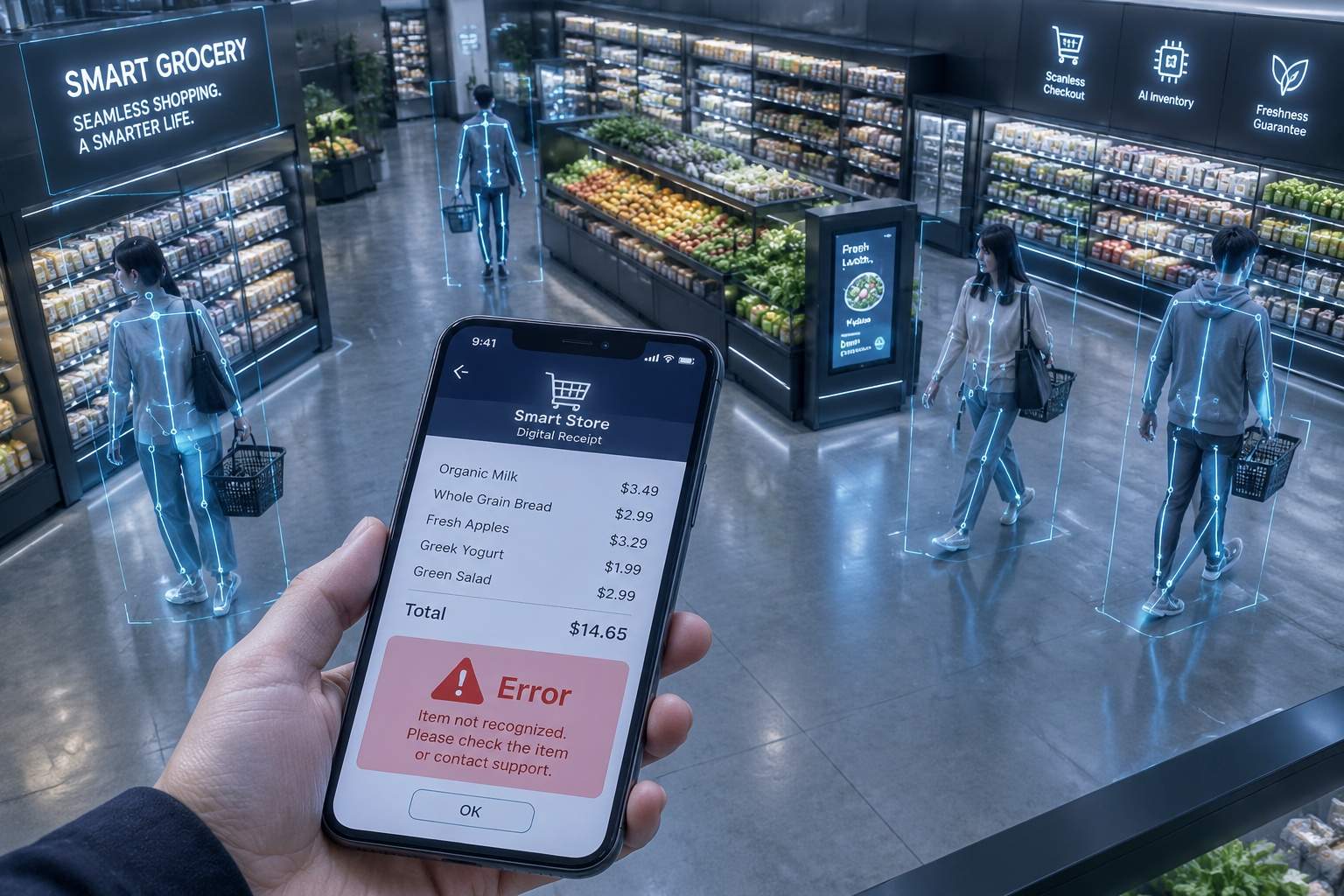
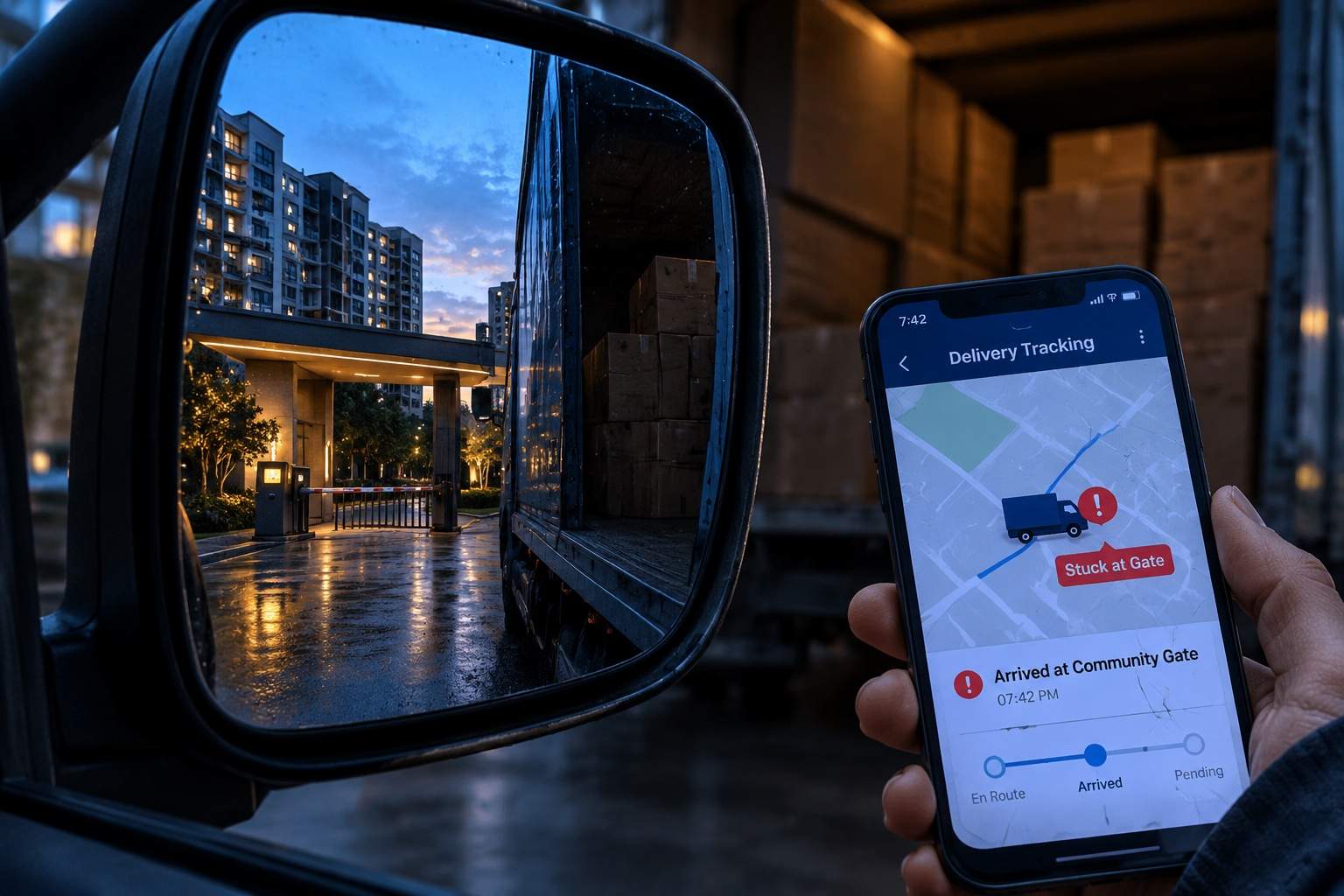
Your phone buzzes. It's your smart doorbell, showing a delivery driver at your porch. You're miles away. Yet, despite your smart home knowing you're not there, the package still sits vulnerable on the doorstep, a prime target for porch pirates, or worse, gets hauled back to a depot. This isn't just an inconvenience; it's a systemic failure, costing consumers billions annually and highlighting a gaping disconnect in our supposedly "smart" world. Readers just need solutions, not more alerts about problems they can't fix.
E.g. :Your Digital Butler: The Convenience Paradox, and the Quiet Cost to Autonomy
- 1、Smart Home Delivery: Bridging the Last-Mile Gap
- 2、Unattended Delivery: Why Our Smart Homes Fall Short
- 3、Package Theft Prevention: Beyond the Porch
- 4、IoT Security: The Trust Barrier for In-Home Access
- 5、Autonomous Logistics: The Road Ahead for Secure Delivery
Smart Home Delivery: Bridging the Last-Mile Gap
The promise of smart homes was frictionless living. We invested in smart locks, video doorbells, and even refrigerators that track inventory, all designed to make our lives easier. Yet, the final leg of the e-commerce journey – the "last mile" – remains stubbornly analog, creating a glaring inefficiency in the face of advanced IoT capabilities. The business value here is immense: reduced operational costs for logistics providers, improved customer satisfaction, and a significant dent in the estimated 1 in 4 Americans who report having a package stolen.
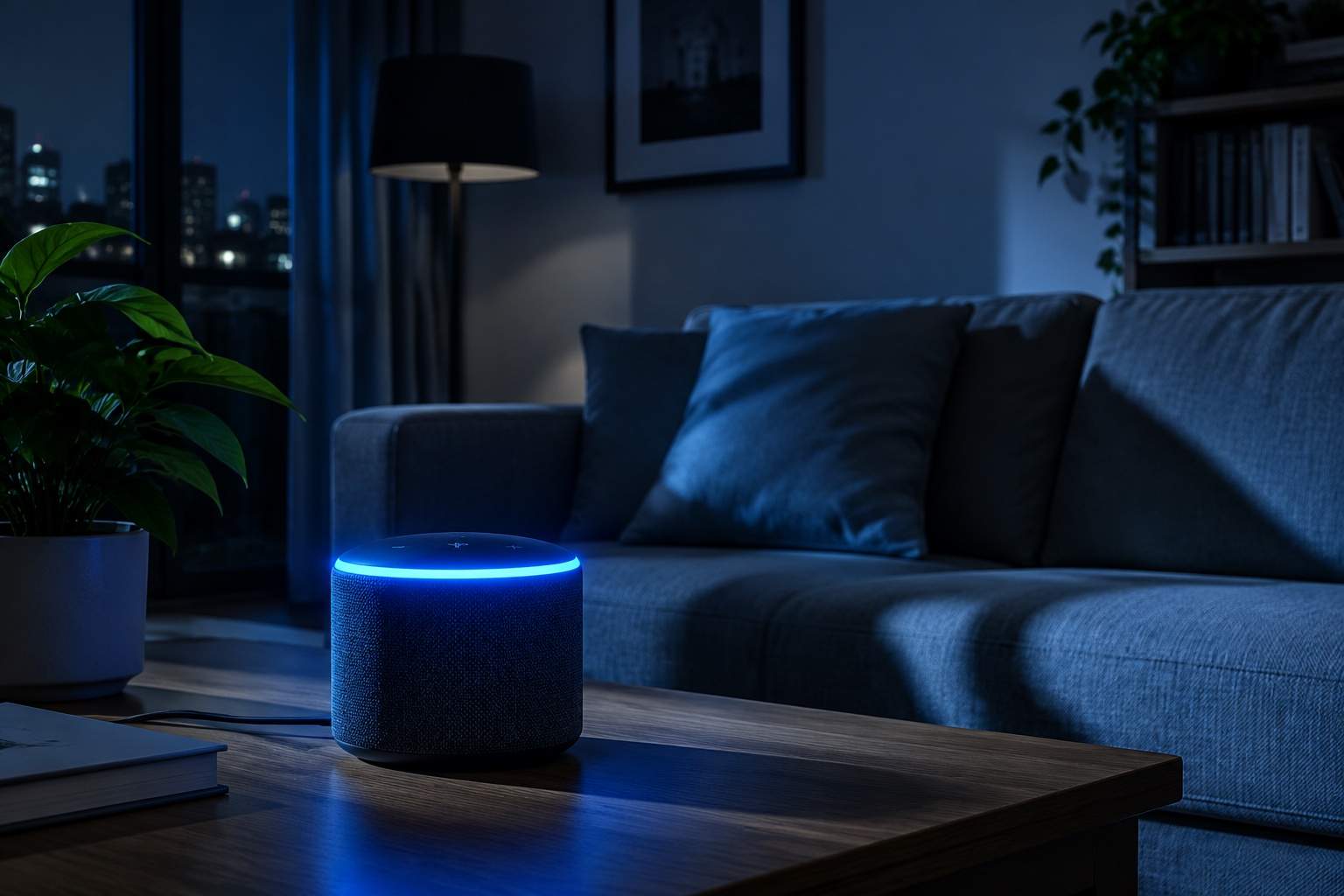
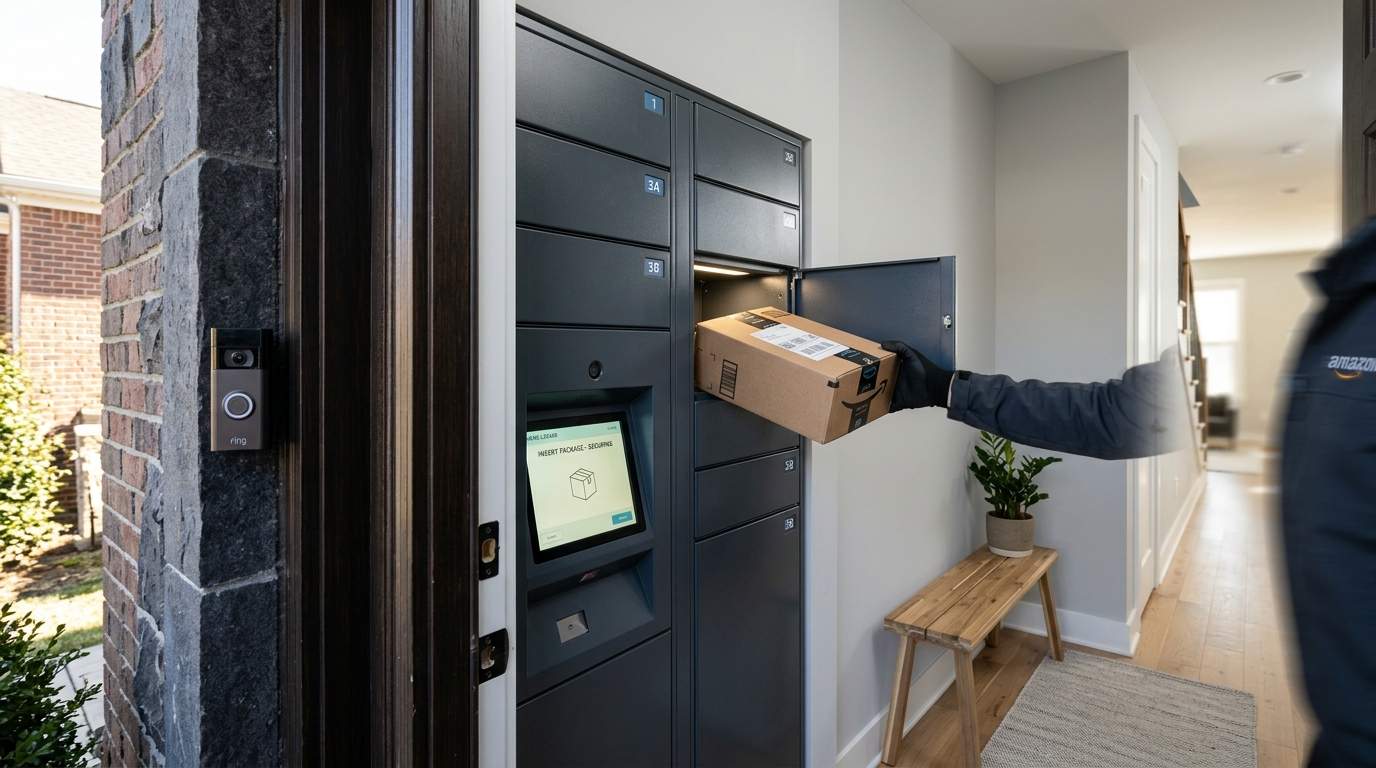
We have the technology to verify identity, grant temporary access, and monitor activity. So, why isn't your package safely inside, perhaps in a smart locker or directly within your home? The problem isn't the absence of individual IoT components; it's the fragmented ecosystem and the absence of a standardized, trusted protocol for unattended delivery.
Unattended Delivery: Why Our Smart Homes Fall Short
The current smart home landscape, while rich in features, operates largely in silos. Your smart lock provider isn't talking to the national postal service, and your video doorbell’s API isn’t integrated with every local courier’s dispatch system. This isn't a technical limitation; it's a business and regulatory hurdle. No universal key, no shared temporary access codes, just a driver often facing a locked door or a "signature required" prompt that cannot be fulfilled.
Technological Readiness vs. Ecosystem Integration
The hardware is largely ready. Smart locks can be controlled remotely. Video doorbells provide visual verification. Even rudimentary robotics could guide a delivery to a designated drop-off zone within a garage. The real challenge lies in integrating these disparate systems across hundreds of logistics providers and thousands of device manufacturers. Without a common language and agreed-upon security standards, each attempted integration becomes a custom, expensive, and often proprietary project, effectively stifling widespread adoption of true smart home delivery.
Package Theft Prevention: Beyond the Porch
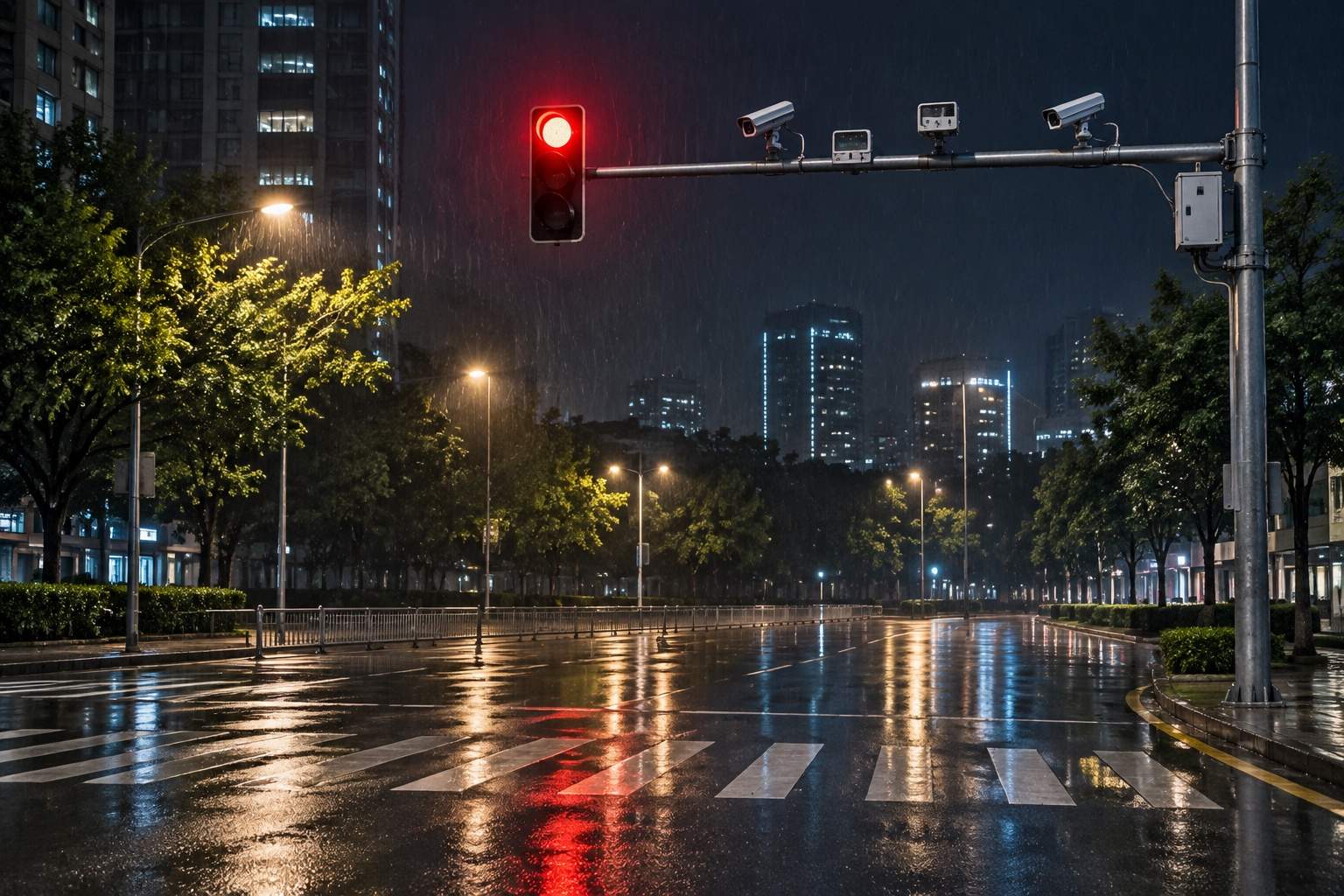
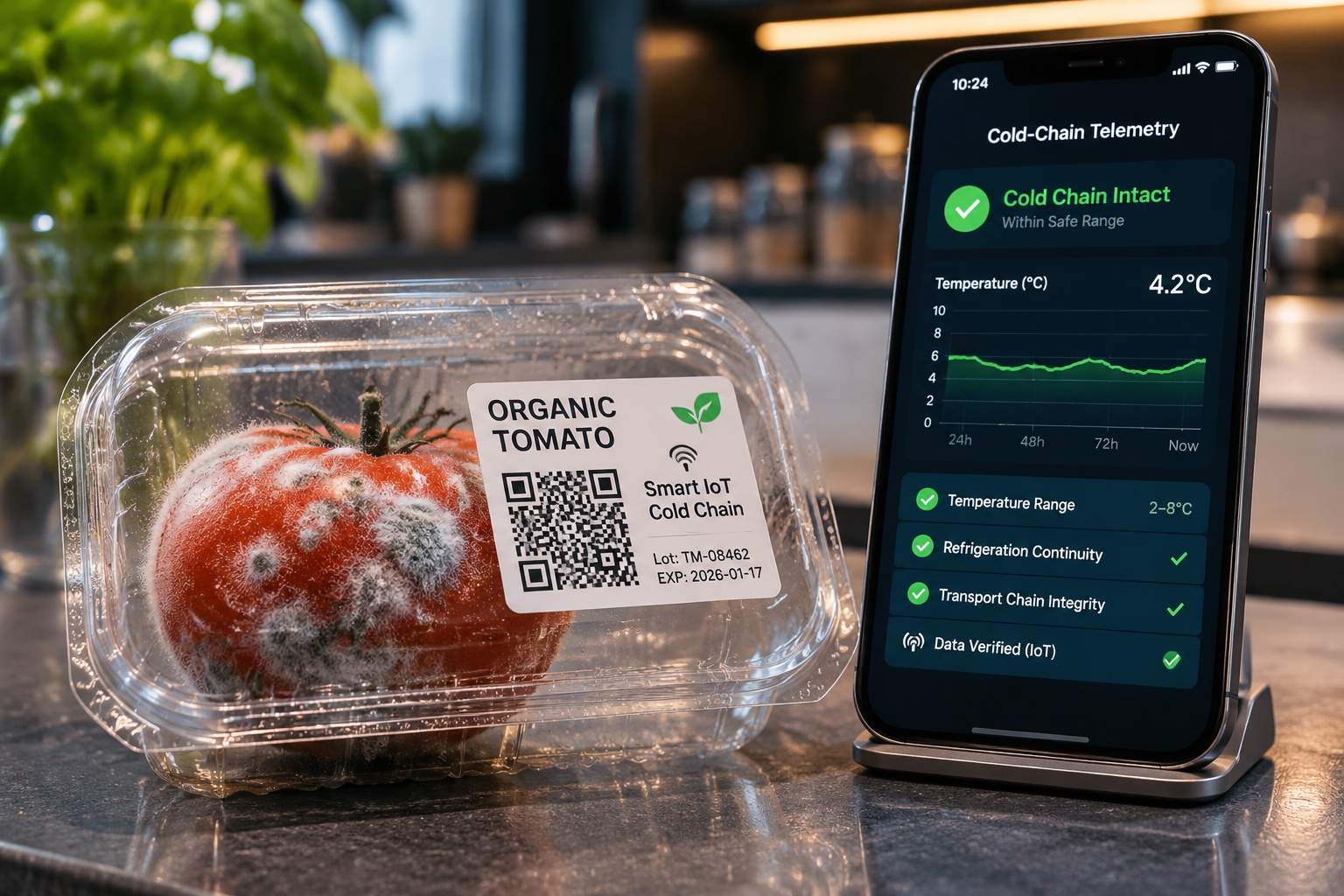
Leaving packages exposed isn't just a minor annoyance; it's a critical security vulnerability and a driver of significant financial losses. The "porch pirate" phenomenon isn't going away as long as packages remain an easy target. True package theft prevention demands moving beyond reactive measures like security cameras to proactive solutions that remove the target entirely. Imagine a world where a perishable food delivery arrives securely inside a smart cooler within your home, or a high-value electronic item is placed directly into a secure interior locker, inaccessible from the outside.
IoT Security: The Trust Barrier for In-Home Access
The most significant hurdle for widespread in-home unattended delivery is security, not just of the package, but of the home itself. Consumers are rightly wary of granting temporary, remote access to strangers. Who is accountable if something goes wrong? How is that access managed? These aren't simple questions. Robust IoT security protocols are essential: multi-factor authentication for access, real-time monitoring, tamper detection, and audit trails of every access event.
Consumer Trust and Privacy in Smart Home Delivery
Beyond technical security, there's the equally vital aspect of consumer trust and privacy. Users need assurances that their data, their home access logs, and their personal spaces are protected. Clear communication about what data is collected, how it's used, and who has access is paramount. Without transparent policies and verifiable safeguards, the promise of secure in-home delivery will remain a niche feature, limited to early adopters.
Autonomous Logistics: The Road Ahead for Secure Delivery
The ultimate vision for solving the invisible parcel problem often involves autonomous logistics – from drone delivery to ground robots that can navigate complex residential areas. These systems promise not just delivery, but precise, secure placement. However, their integration with existing smart home infrastructure requires standardization and regulatory frameworks that are still in their infancy. It’s not just about a robot dropping a package; it's about that robot communicating securely with your smart lock, your home security system, and the network that governs your property access.
The current state of missed deliveries and porch theft isn't a sign of technological failure, but rather a stubborn disconnect between advanced IoT capabilities and legacy logistics models. For true secure delivery to become the norm, the industry must move beyond individual smart devices and build a cohesive, trusted ecosystem that prioritizes security, user control, and seamless integration from warehouse to your inner sanctum.