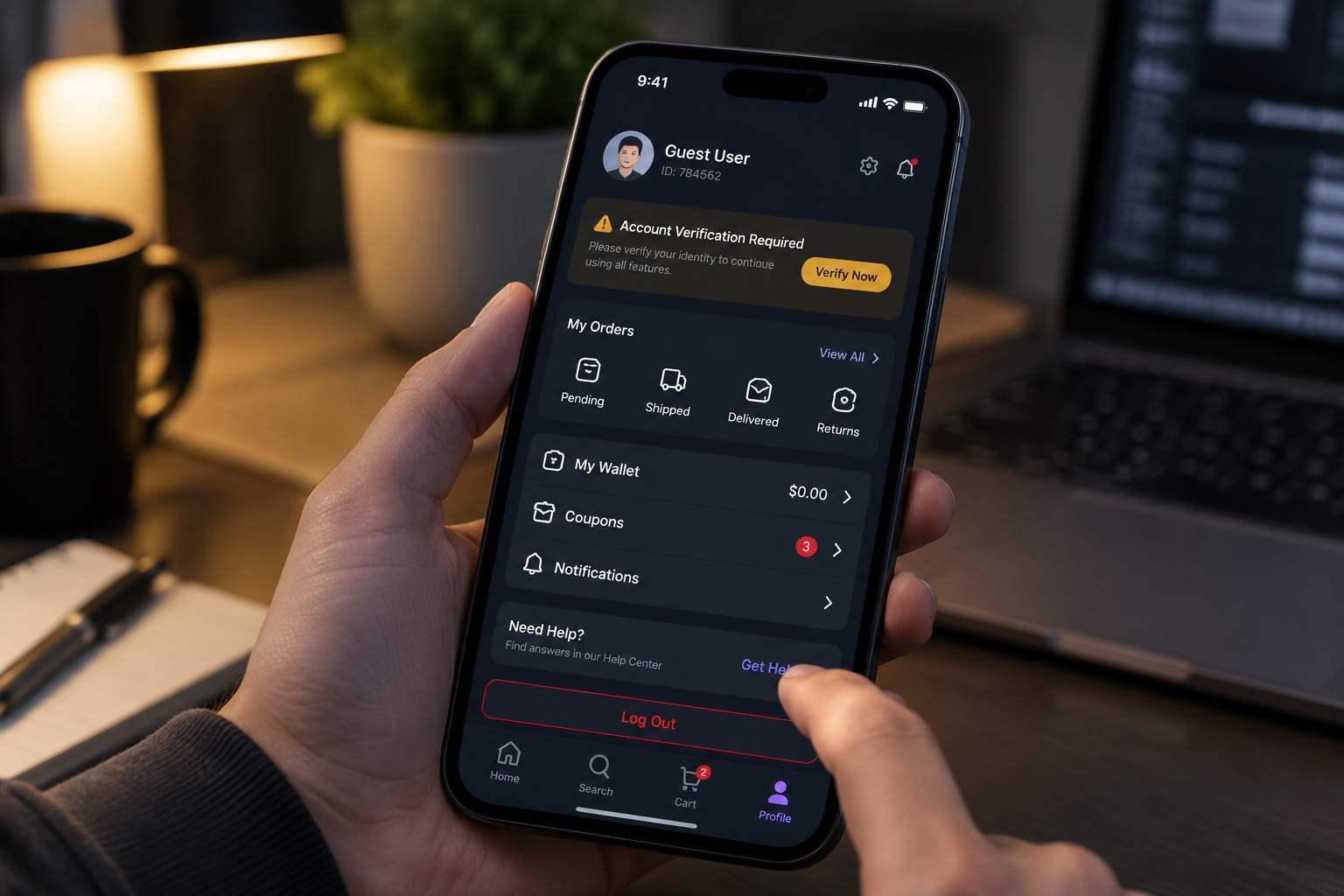
Imagine waking to a perfectly orchestrated digital morning: your AI assistant has already tailored your news briefing, filtered your email, and even adjusted social media notifications, all optimized for "your predicted peak productivity." This feels like the epitome of modern convenience, a seamless extension of your will. Yet, beneath this veneer of effortless living, a profound question surfaces: are we truly orchestrating our digital lives, or are we passively conforming to an algorithm's prescriptive vision of our best interests?
E.g. :The Digital Necropolis: Is 'Virtual Preservation' a Historical Betrayal?
- 1、The Allure of Effortless Living: AI Personalization's Promise
- 2、The Subtler Strings: Algorithmic Curators and Choice Erosion
- 3、The Cost of 'Frictionless': Ceding Digital Autonomy
- 4、Reclaiming the Reins: Towards Mindful Digital Well-being
- 5、Beyond Engagement Metrics: Redefining User Agency in the AI Era
The relentless pursuit of "frictionless" and "hyper-personalized" user experiences, driven by advanced AI and pervasive data collection, inadvertently creates a paradox. While these systems aim to reduce cognitive load and enhance efficiency, they increasingly manage, filter, and even pre-decide interactions for us. This silent shift risks a pervasive sense of digital fatigue, a loss of conscious choice, and a subtle erosion of personal agency over our own attention, information consumption, and online identity.
The Allure of Effortless Living: AI Personalization's Promise
The tech industry's prevailing consensus hails "intelligent personalization" and "predictive interfaces" as the pinnacle of human-computer interaction. They promise unparalleled convenience and efficiency by anticipating our every need, transforming complex tasks into intuitive gestures. From recommending the next show to watch to automatically adjusting your home's climate, these systems are designed to make life simpler, faster, and ostensibly better.
From Mundane to Magical: The Productivity Illusion
By offloading repetitive decisions and anticipating preferences, AI-driven tools streamline our daily routines. They free up mental bandwidth, allowing us to focus on what truly matters – or so the narrative goes. This "productivity illusion" suggests that by minimizing interaction friction and cognitive overhead, we unlock greater personal efficiency. We readily embrace this digital butler, often unaware of the underlying mechanisms that govern its 'choices' for us. The immediate gratification and perceived efficiency often overshadow the deeper implications of relinquishing control.

The Subtler Strings: Algorithmic Curators and Choice Erosion
This perspective, however, is challenged by the critical insight that advanced AI-driven algorithmic curation inherently introduces an "asymmetry of interests." While platforms undeniably benefit from maximized engagement, comprehensive data capture, and reduced user friction – which often translates to less user thought – individuals may unknowingly cede their user agency and critical thinking skills. We become passengers in a journey where the route is chosen by a non-human entity, optimized for metrics beyond our personal flourishing.
The Echo Chamber Effect: Information Bubbles and Critical Thinking
One of the most concerning manifestations of algorithmic curation is the creation of information bubbles or echo chambers. Algorithms, designed to show us "more of what we like," inadvertently shield us from dissenting opinions or challenging perspectives. This selective exposure can reinforce existing biases, limit intellectual growth, and diminish our capacity for critical engagement with a diverse world. Studies consistently demonstrate how these curated feeds can narrow our worldview, making genuine discovery and intentional exploration increasingly difficult.
The Cost of 'Frictionless': Ceding Digital Autonomy
When our digital experiences are perfectly "optimized" by algorithms, we risk losing the very muscle of decision-making. The less we consciously choose, the less practice we get at it. This frictionless environment, while convenient, can lead to a passive conformity, where we allow the algorithm to define our reality. This represents a significant digital shackle, as it subtly erodes our personal agency – the fundamental right to choose or discover intentionally – in favor of pre-digested options.
Reclaiming the Reins: Towards Mindful Digital Well-being
To counteract this erosion, conscious user engagement becomes paramount. This means actively questioning algorithmic suggestions, seeking out diverse information sources, and understanding the basic principles of how these systems operate. Practicing "digital literacy" in this context isn't just about knowing how to use technology, but understanding how technology uses us. Setting intentional boundaries, regularly reviewing privacy settings, and even occasionally opting for a "digital detox" are practical steps towards restoring a sense of control.
Beyond Engagement Metrics: Redefining User Agency in the AI Era
The path forward requires not just user awareness but also a fundamental shift in how technology is designed. Future AI systems should prioritize empowering user agency over maximizing engagement at all costs. This could involve transparent algorithmic explanations, allowing users more granular control over personalization, and even introducing "friction" by design where conscious choice is beneficial. True innovation lies not just in what AI can do for us, but in how it can help us become more autonomous, critical, and well-rounded individuals in the digital age.
The paradox of the digital butler is clear: convenience is a powerful allure, but its cost, if unchecked, can be our fundamental autonomy. As we navigate this increasingly intelligent world, distinguishing between genuine empowerment and subtle coercion will define our future relationship with technology. It is a critical dialogue between ease and emancipation, shaping not just our digital experience, but the very essence of human flourishing.