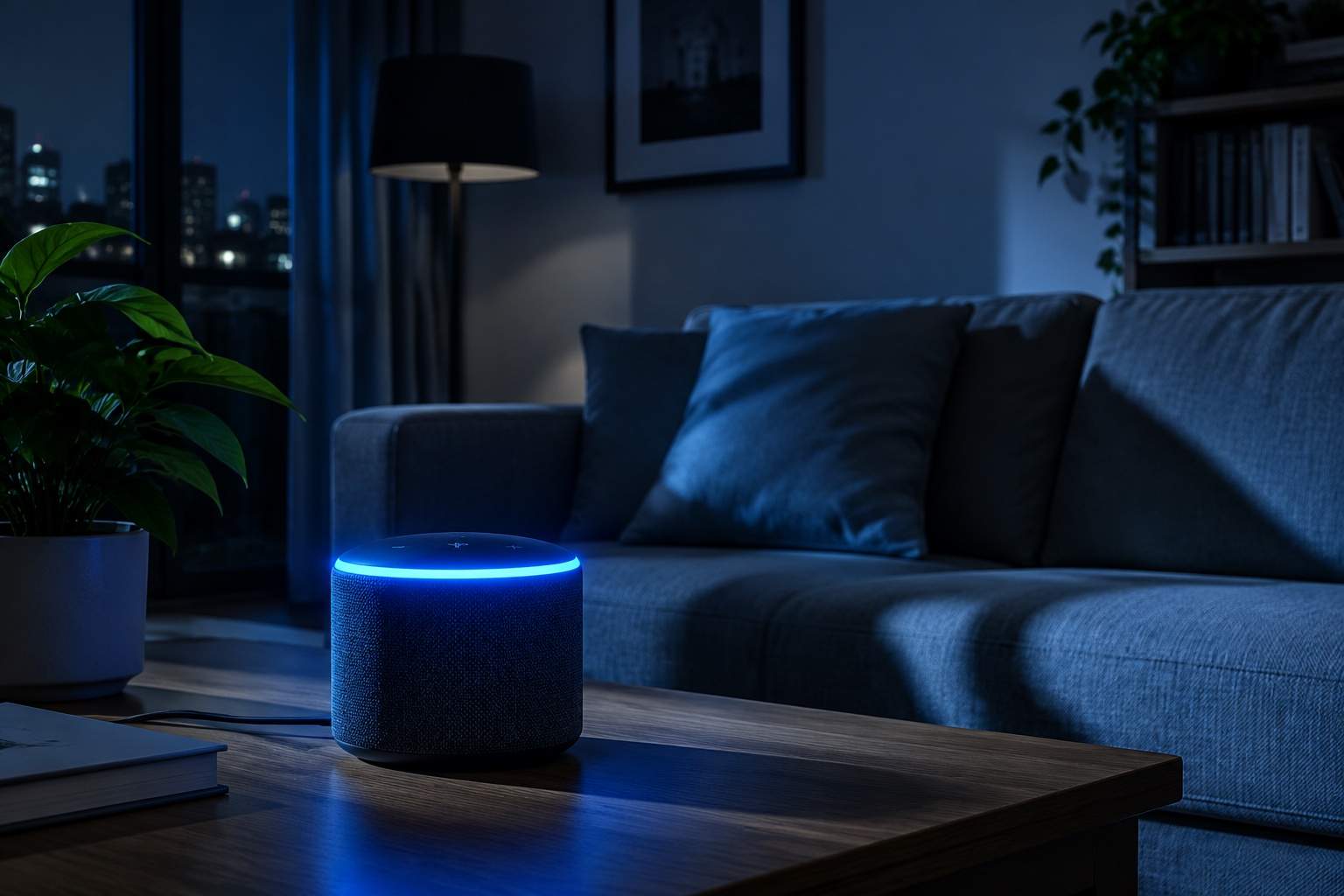
You walk in the door after a long day. Before you even flick a switch, your smart lights dim to a relaxing hue, the thermostat adjusts to your preferred temperature, and your smart speaker queues up your unwind playlist. It feels like a futuristic butler, always anticipating your next move, making your home perfectly comfortable. This seamless automation is what makes many people invest in a "smart home experience." But this isn't magic; it's data.
E.g. :Why Traditional Programming Frameworks Struggle With Modern AI Development
- 1、The Invisible Architect: How Your IoT Home Learns Habits
- 2、Beyond Convenience: Mapping Your Digital Footprint with AI
- 3、Smart Home Privacy: A Shifting Definition in Connected Living
- 4、Smart Device Security: Myth vs. Reality in Your Digital Sanctuary
- 5、The Ultimate Trade-Off: Convenience for Total Digital Transparency
The increasing reliance on artificial intelligence (AI) for hyper-personalized convenience in our homes is powered by invisible, continuous data collection. This raises fundamental questions about personal privacy, control over our "digital footprint," and the true cost of convenience.
The Invisible Architect: How Your IoT Home Learns Habits
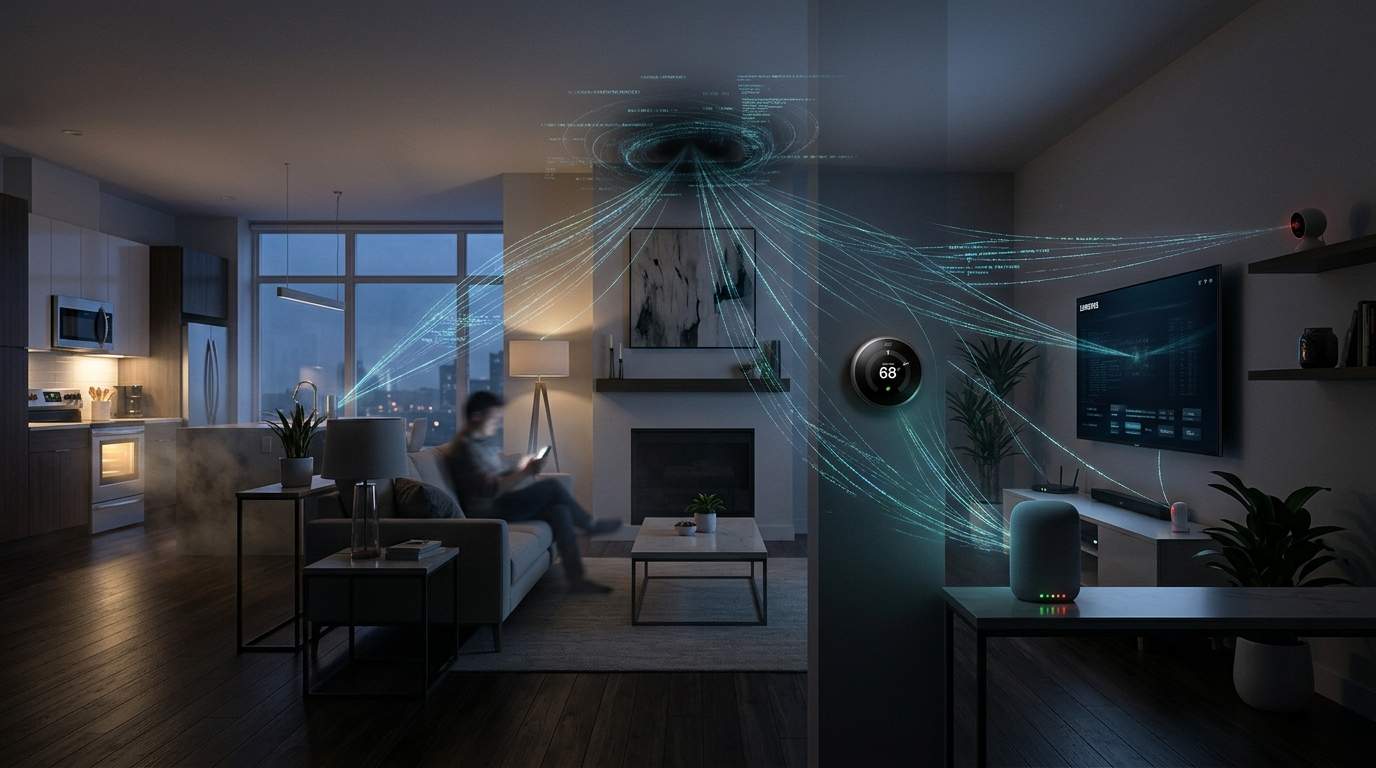
Smart home devices are not just responding to commands; they are constantly observing. Sensors track occupancy, temperature, light levels, even sound patterns. AI algorithms then process this raw IoT data, learning your routines, preferences, and even your emotional state based on environmental cues. This deep learning enables the "proactive" convenience we crave, from pre-heating your oven to adjusting your lighting before you ask.
This isn't about mere efficiency. For manufacturers, this granular data is gold. It refines their algorithms, improves product features, and crucially, provides insights into user behavior for targeted marketing and future product development. Your comfort directly translates to their competitive edge.
Beyond Convenience: Mapping Your Digital Footprint with AI
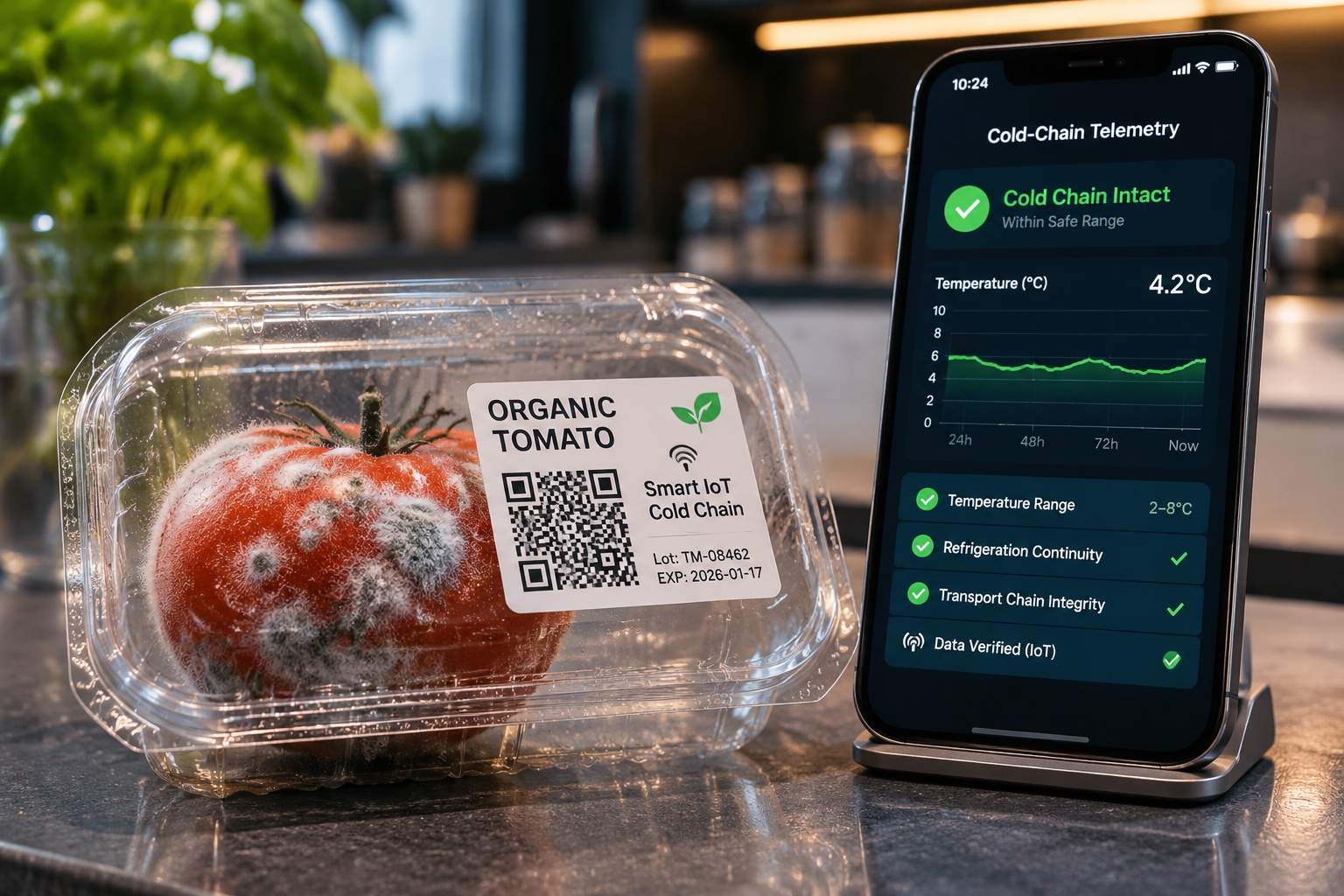
We're increasingly letting our smart home devices learn our deepest habits, from sleep patterns to dietary choices, to create a life of unparalleled ease. Your smart fridge constantly tracks eating habits. Your smart doorbell logs every visitor, every delivery. Your smart TV knows your viewing schedule, what you watch, and when. This creates a detailed, intimate "digital footprint" of your life within your own four walls.
Intimate Data: The Unspoken Cost of Smart Home Automation
Who exactly owns all this intimate data? It's often not you. The terms of service, buried in lengthy legal jargon, typically grant companies broad rights to collect, store, and even share anonymized or aggregated data. This extends beyond just the device manufacturer; third-party partners, advertisers, and even data brokers often gain access, making your home a transparent data stream for unseen entities.
Smart Home Privacy: A Shifting Definition in Connected Living
The very concept of smart home privacy is being redefined, not by user choice, but by design. Convenience is presented as a primary driver, often overshadowing the transparency trade-off. Users implicitly consent to extensive data collection in exchange for features, often without fully understanding the implications. The perception of control is often an illusion.
The industry often promotes "privacy by design," but this is frequently interpreted as mere compliance with minimum legal standards, not a proactive stance on user autonomy. The burden of understanding data flow, opting out, or even deleting data largely falls on the consumer, a task few are equipped to handle effectively.
Smart Device Security: Myth vs. Reality in Your Digital Sanctuary
The promise of smart device security often lags behind the push for new features. Every connected device, from a smart plug to an AI-powered home assistant, represents a potential entry point for attackers. Weak default passwords, unpatched vulnerabilities, and insecure network configurations are rampant issues in the IoT ecosystem.
Data Breaches: The Vulnerability of Hyper-Personalization
When these smart home devices are compromised, the stakes are exceptionally high. A breach isn't just about credit card numbers; it can expose real-time activity, routines, even audio and video feeds from within your home. The very data collected for convenience can become a tool for surveillance, identity theft, or even physical security threats. Your meticulously built "smart" life can become your biggest vulnerability.
The Ultimate Trade-Off: Convenience for Total Digital Transparency
The fundamental question remains: are we truly building a better life through AI home automation, or have we willingly created a permanent, invisible "digital footprint" that makes us completely transparent to corporations and potentially others? The convenience is undeniable, but the price is often a complete surrender of smart home privacy, an exchange that is rarely fully understood or consented to.
The future of smart homes demands more than just seamless operation. It requires a critical examination of data ownership, transparent practices from manufacturers, and a renewed focus on robust smart device security. Ultimately, the choice to embrace the "future butler" should be an informed one, not a convenient surrender.