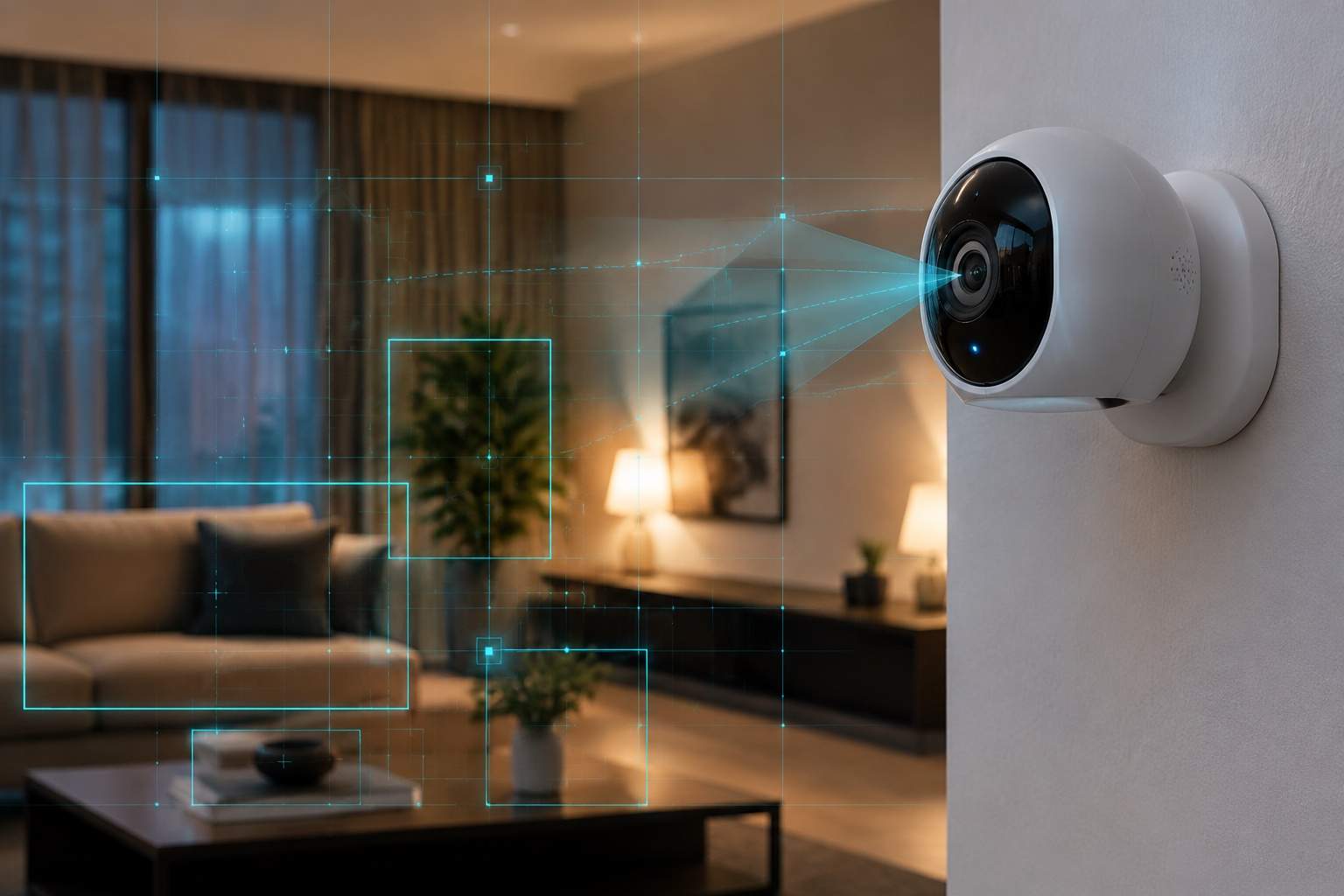
Imagine the convenience: your home responds to a voice command, your security cameras offer peace of mind, and lighting adapts to your mood. This is the promise of the smart home, a vision of effortless living. Yet, beneath this veneer of modern efficiency lies a growing vulnerability, often invisible until it's too late. What happens when a perfectly functional smart device, one you rely on daily, suddenly becomes a gaping security hole in your digital perimeter, not through malfunction, but through a manufacturer’s calculated decision to stop supporting it?
E.g. :Smart Home Sees Delivery, Why Can't It Secure My Parcel?
- 1、The Silent Lifecycle Crisis in Smart Homes: Unpacking IoT Obsolescence
- 2、Manufacturers' Dilemma vs. Consumer Expectations: The Evolving IoT Security Landscape
- 3、From Convenience to Cyber Risk: Your Smart Device as a Digital Weak Link
- 4、Navigating the Digital Straits: Strategies for Smart Home Security & Longevity
- 5、Beyond Individual Burden: Envisioning a Sustainable IoT Future
The Silent Lifecycle Crisis in Smart Homes: Unpacking IoT Obsolescence
The dilemma is stark and increasingly common: you discover a critical zero-day vulnerability in your smart camera, a model that, despite its age, remains perfectly operational. Your immediate instinct is to seek a patch, only to learn that the manufacturer has officially declared the device 'end-of-life' (EoL), ending all firmware support. This declaration transforms a working piece of technology into a permanent, unpatched cyber liability, leaving you to choose between expensive premature replacement or living with an unmitigated, persistent security risk that could invite botnet recruitment or unauthorized network access.
This scenario highlights a fundamental disconnect in the burgeoning IoT ecosystem. Consumers invest in smart devices with an implicit expectation of secure, long-term functionality. However, a prevailing industry trend sees manufacturers discontinuing security patching and firmware updates for EoL products within relatively short lifecycles. The consequence is functional hardware becoming a digital albatross around the user's neck, forcing costly upgrades while the manufacturer privatizes the profits from initial sales, often externalizing the ongoing cyber liability and replacement costs onto the end-user.
Manufacturers' Dilemma vs. Consumer Expectations: The Evolving IoT Security Landscape
From a manufacturer’s perspective, the decision to establish 'end-of-life' policies for smart devices often stems from economic realities. They argue that sustaining indefinite security patching and firmware development across an ever-expanding product portfolio is not only resource-intensive but also an economic necessity for fostering innovation and managing support costs. The rapid pace of technological advancement, coupled with the sheer diversity of IoT hardware, makes perpetual support an unsustainable endeavor, they contend, necessitating a defined product lifecycle to channel resources towards newer, more secure offerings.
The Profit Paradox: Data Collection Beyond Security Support
However, this rationale often clashes with the consumer's fundamental expectation of long-term digital safety and secure product functionality. The asymmetry is pronounced: manufacturers profit from the initial sale and often continue to extract value from data collected by these devices even after security support ceases. This creates a significant ethical and practical gap, as the manufacturer retains data utility without retaining accountability for the digital safety of their installed base, effectively privatizing ongoing data-driven value while externalizing critical cyber liabilities onto their customers. This model raises serious questions about the industry's commitment to consumer protection in the digital age.
From Convenience to Cyber Risk: Your Smart Device as a Digital Weak Link
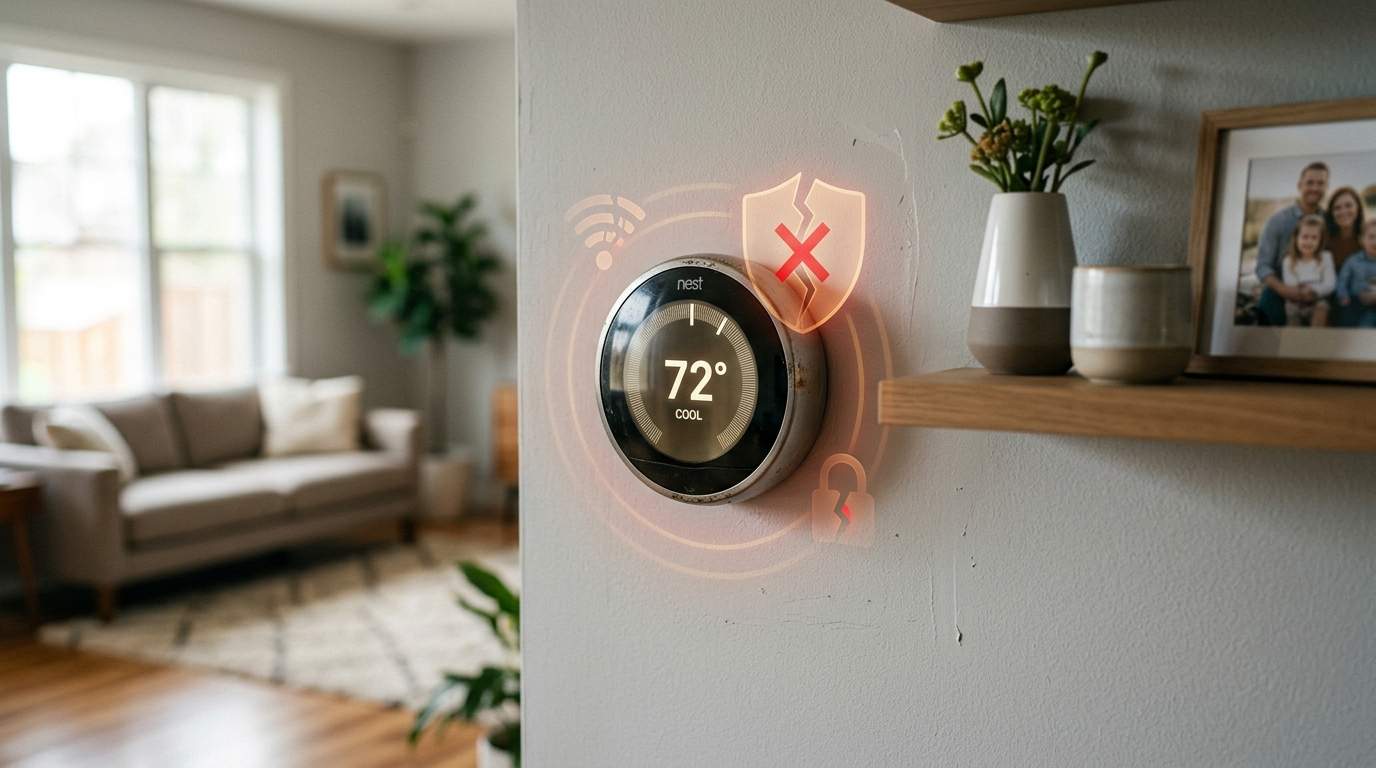
An unpatched smart device is not merely a benign piece of outdated hardware; it represents a tangible, exploitable weakness in your home network. Once a critical vulnerability is identified and no patch is available, that device effectively becomes an open door. Attackers can leverage these flaws to gain unauthorized access to your home network, not just to control the specific device, but potentially to move laterally, accessing sensitive data on other connected devices like computers, smartphones, or even other smart home components. It transforms the very tools designed for convenience into vectors for compromise, turning a promised dividend into a significant digital shackle.
The Botnet Threat: When Your Smart Gadget Joins the Undesired Army
One of the most insidious consequences of unpatched IoT devices is their recruitment into massive botnets. These networks of compromised devices, often controlled remotely by malicious actors, are then used to launch distributed denial-of-service (DDoS) attacks, spread malware, or conduct other illicit activities on a global scale. Your seemingly harmless smart thermostat or security camera, once compromised, could unknowingly be participating in cyberattacks against critical infrastructure or businesses thousands of miles away, consuming your bandwidth and potentially flagging your home IP address as a source of malicious activity. The infamous Mirai botnet, for example, largely exploited default credentials and vulnerabilities in common IoT devices, showcasing the real-world impact of such widespread digital neglect.
Navigating the Digital Straits: Strategies for Smart Home Security & Longevity
Given this evolving landscape, consumers are not entirely powerless. A proactive approach to smart home security begins with informed purchasing decisions. Research a manufacturer's 'end-of-life' policy before buying a device, prioritizing companies with transparent and reasonably long-term support commitments. Implementing network segmentation, such as creating a separate Wi-Fi network for your IoT devices, can help contain potential breaches, isolating vulnerable smart gadgets from your more sensitive personal computers and data. Regularly monitoring network activity for unusual data traffic from EoL devices can also serve as an early warning system, prompting a decision to disconnect or replace them.
For devices where support has genuinely ceased, and replacement is not immediately feasible, consider whether the device truly needs internet connectivity. Some smart devices retain local functionality even without cloud services, mitigating remote exploitation risks. Moreover, the broader community and open-source movements are pushing for more standardized, interoperable IoT platforms and longer-lasting, community-supported firmware options, though these are not yet mainstream solutions for most commercial devices.
Beyond Individual Burden: Envisioning a Sustainable IoT Future
The 'obsolescence trap' in smart homes is more than an individual consumer's burden; it represents a systemic challenge requiring a broader re-evaluation of industry practices and regulatory frameworks. We need a collective push for extended security support lifecycles, clear communication about EoL policies at the point of sale, and potentially, industry-wide standards for minimum security update periods. Furthermore, exploring legislative frameworks that hold manufacturers accountable for the enduring digital safety of their products could shift the current asymmetry, ensuring that the promise of the smart home truly delivers convenience without compromising fundamental cybersecurity.
The promise of a truly smart home should not come with the implicit trade-off of becoming a digital liability. As our homes become increasingly connected, fostering an ecosystem built on transparency, enduring security, and shared responsibility is not just an aspiration but a necessity for building a future where technology truly serves us, rather than inadvertently ensnaring us in its unseen traps.