As the summer sun relentlessly beats down, prompting you to crank up the air conditioning, a flicker in the lights or a momentary dip in power can be more than just an annoyance—it's a jarring reminder of the delicate balance governing our electricity supply. Simultaneously, opening your latest electricity bill to an unexpected hike, despite pervasive headlines about record-breaking renewable energy deployment, introduces a significant cognitive dissonance: if energy from the sun and wind is ostensibly "free," why does our power feel less stable and increasingly expensive? This paradox lies at the heart of the "Green Premium," a complex set of costs often overlooked in the rush towards ambitious renewable targets.
E.g. :Your Smart Streetlight is Identifying Your Phone as You Walk By
- 1、The Invisible Price Tag of Renewable Integration
- 2、Balancing the Grid: The Unseen Role of Energy Storage
- 3、The "Green Premium": Who Pays for a Sustainable Future?
- 4、Navigating Instability: When Renewable Targets Test Grid Reliability
- 5、The Path Forward: Smarter Grids, Smarter Choices for Sustainable Power
The Invisible Price Tag of Renewable Integration
The public discourse frequently spotlights the remarkable decline in the Levelized Cost of Energy (LCOE) for solar and wind power, celebrating them as universally cheaper and cleaner alternatives to fossil fuels. While the manufacturing and installation costs of individual renewable energy projects have indeed plummeted, this narrow focus often obscures the profound and extensive financial commitments required to seamlessly integrate these intermittent sources into an existing grid infrastructure that was never designed for such variability. These "system integration costs" encompass everything from upgraded transmission lines to sophisticated digital controls, all essential for maintaining a stable and functional power supply.
Beyond the Wind Turbine: Hidden Grid Modernization Demands
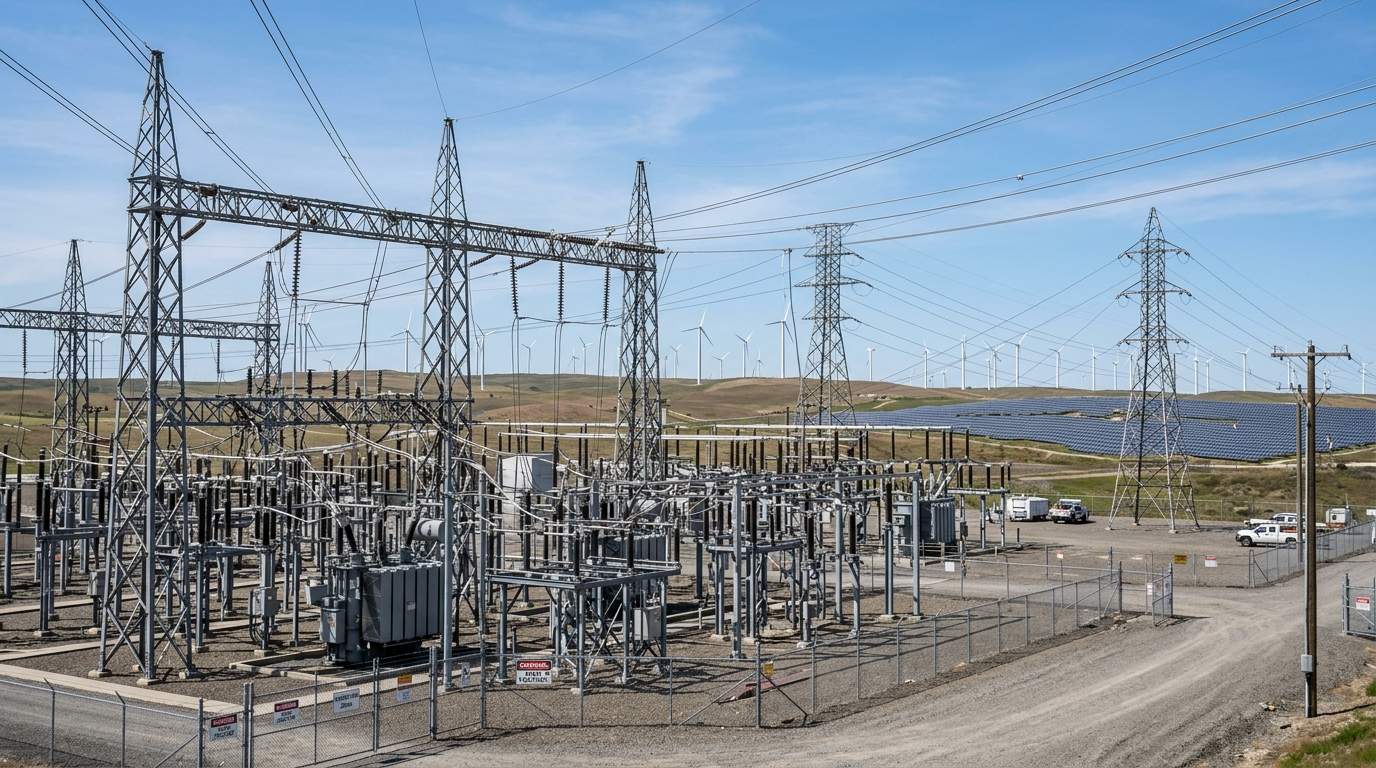
Integrating large-scale renewable generation is far more complex than simply plugging new power plants into old sockets; it necessitates a comprehensive grid modernization effort. Our aging electrical grids, largely built for predictable, centralized power generation, struggle to manage the inherent intermittency of solar and wind, which fluctuate with weather patterns rather than demand. This requires substantial investments in new high-capacity transmission infrastructure to carry renewable energy from often remote generation sites to urban consumption centers, alongside advanced digital technologies for real-time monitoring, forecasting, and control. These "smart grid" technologies are critical for predicting renewable output, managing demand-side responses, and preventing cascading failures, representing a foundational but often invisible expense that ultimately factors into your electricity bills.
Balancing the Grid: The Unseen Role of Energy Storage
The fundamental challenge with solar and wind power lies in their inherent intermittency – the sun doesn't always shine, and the wind doesn't always blow, yet electricity demand remains constant or even surges at specific times. This fundamental mismatch between generation and consumption necessitates robust energy storage solutions, a critical component for achieving high penetrations of renewables while maintaining grid stability. Without adequate storage, excess renewable generation during low demand periods can be wasted, and deficits during peak demand or calm weather must be met by rapidly dispatchable—and often fossil fuel-based—backup power, undermining the very goal of decarbonization.
The Storage Imperative: Bridging the Renewable Generation Gap
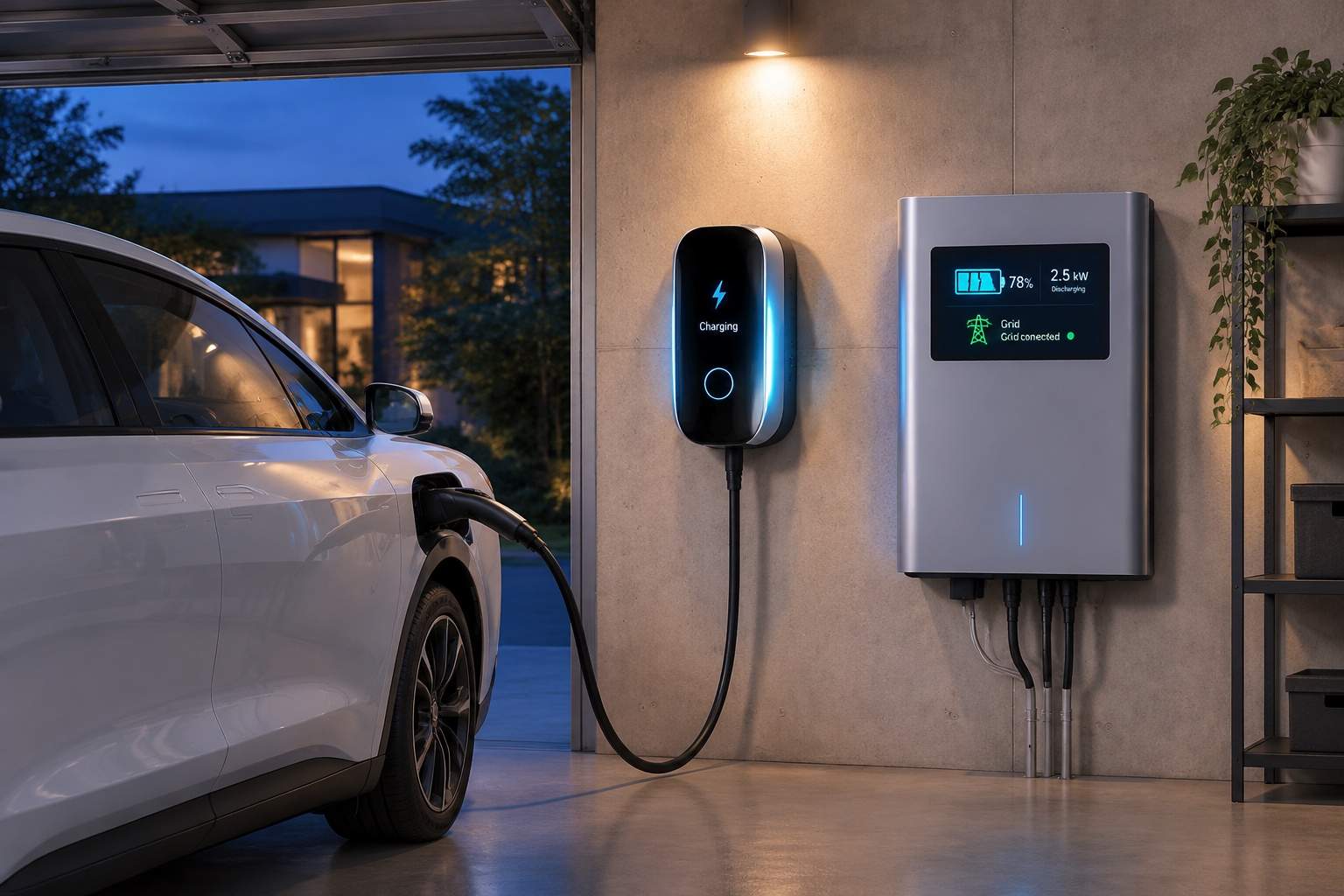
Contemporary energy storage technologies, primarily large-scale battery systems, are crucial for mitigating the variability of renewables, allowing energy generated during off-peak hours to be stored and then discharged when demand is high or renewable output is low. While battery costs have decreased, these systems still represent a significant capital expenditure, encompassing not just the batteries themselves but also complex power electronics, cooling systems, and specialized infrastructure. Moreover, the scale required for grid-level storage is immense, demanding continued innovation in cost-effectiveness, energy density, and longevity to truly bridge the renewable generation gap without placing an undue burden on consumers.
The "Green Premium": Who Pays for a Sustainable Future?
The narrative often presented is that renewable energy inherently leads to immediate savings, yet the "Green Premium" reveals a more nuanced reality where these extensive integration and storage costs are frequently passed directly to the end-user. This creates a critical asymmetry of interests within the energy transition. Renewable project developers and policymakers, driven by ambitious green targets and incentivized by subsidies, often focus on the upfront LCOE of individual projects, which appears competitive. However, the subsequent, diffuse costs for grid upgrades, energy storage, and necessary ancillary services—the "behind-the-meter" expenses of a decarbonized grid—are not typically internalized by these developers but instead become line items on consumers' escalating electricity bills.
Navigating Instability: When Renewable Targets Test Grid Reliability
The push towards rapid renewable energy deployment, while laudable for its environmental goals, has exposed latent vulnerabilities in our existing grid infrastructure, particularly concerning overall grid reliability. Consumers are increasingly experiencing the direct consequences, from brownouts during extreme summer heatwaves when air conditioning loads are at their highest, to service disruptions during unexpected dips in wind or solar generation. These instances highlight a critical tension: while renewables contribute to cleaner energy, their intermittent nature can, in the absence of comprehensive grid enhancements, inadvertently challenge the very stability and predictability that consumers have come to expect from their power supply.
Resilience or Risk? The Grid's New Balancing Act
Maintaining grid resilience in an era of high renewable penetration is no trivial feat, demanding a delicate and continuous balancing act. Traditional grids relied on large, synchronous generators that provided inherent inertia and stability; renewables, often connected via inverters, do not offer these same characteristics, requiring sophisticated electronic controls to mimic them. This shift necessitates not only significant investments in digital grid management systems but also a reassessment of operational strategies. The crucial question facing utilities and regulators now is how to accelerate the transition to sustainable energy while simultaneously fortifying the grid against emerging risks, ensuring that the pursuit of "green" doesn't inadvertently lead to a compromise on fundamental service reliability.
The Path Forward: Smarter Grids, Smarter Choices for Sustainable Power
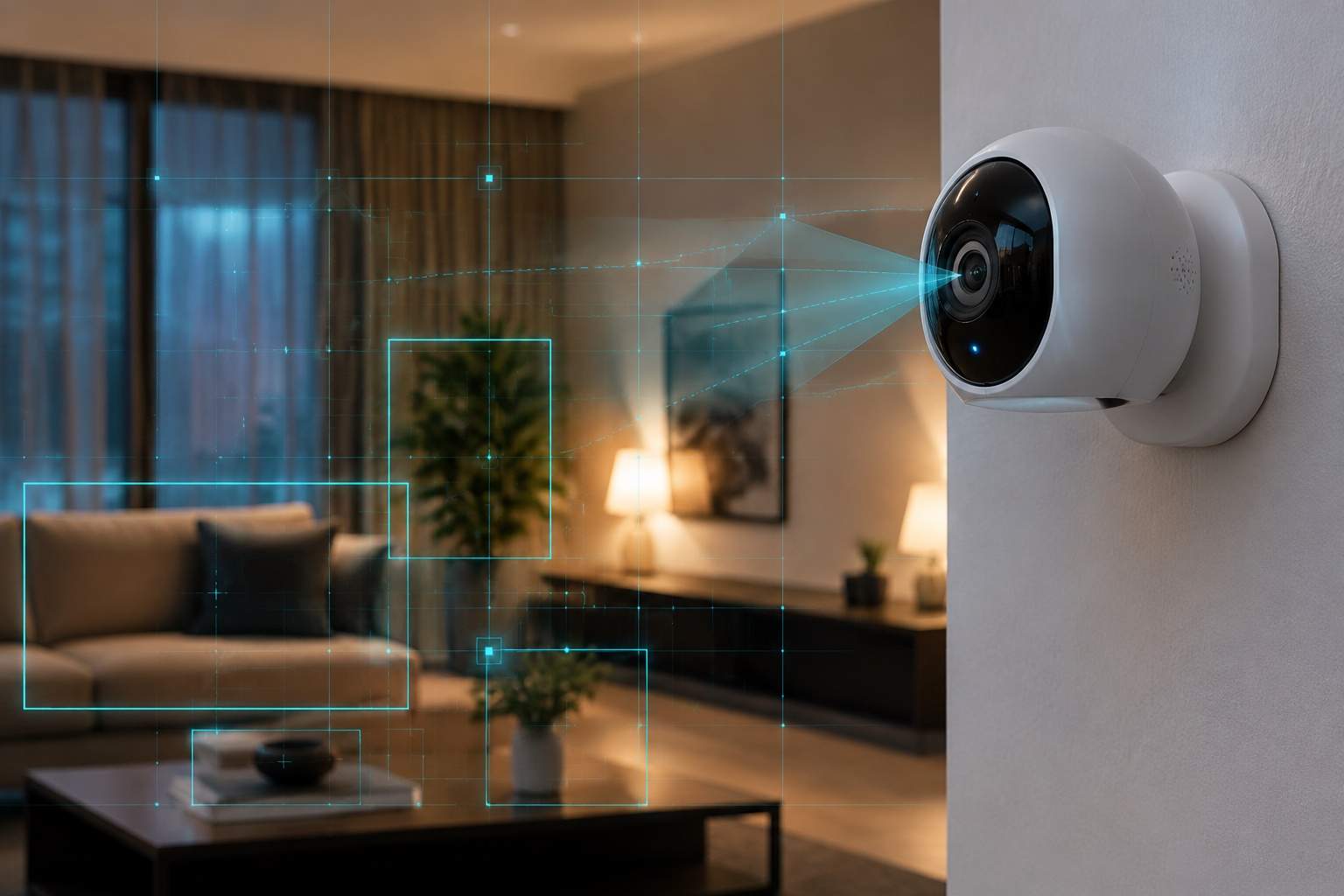
Navigating the complexities of the "Green Premium" requires a multi-faceted approach, one that looks beyond simplistic cost comparisons and embraces a holistic view of the energy ecosystem. This involves continued investment in advanced smart grid technologies that can intelligently manage supply and demand, alongside innovations in grid-scale energy storage that are both cost-effective and scalable. Furthermore, fostering demand-side management through smart home technologies and encouraging local microgrids can empower consumers to become active participants in grid stability, potentially reducing overall system stress. The energy transition is not merely a shift in fuel sources but a fundamental re-architecture of how we generate, distribute, and consume power, demanding nuanced policies and transparent cost allocations to ensure that a sustainable future is also a reliable and affordable one for all.